VISITING THE GETTY CENTER IN LOS ANGELES: IMAGES OF THE CREATION AND THE APOCALYPSE
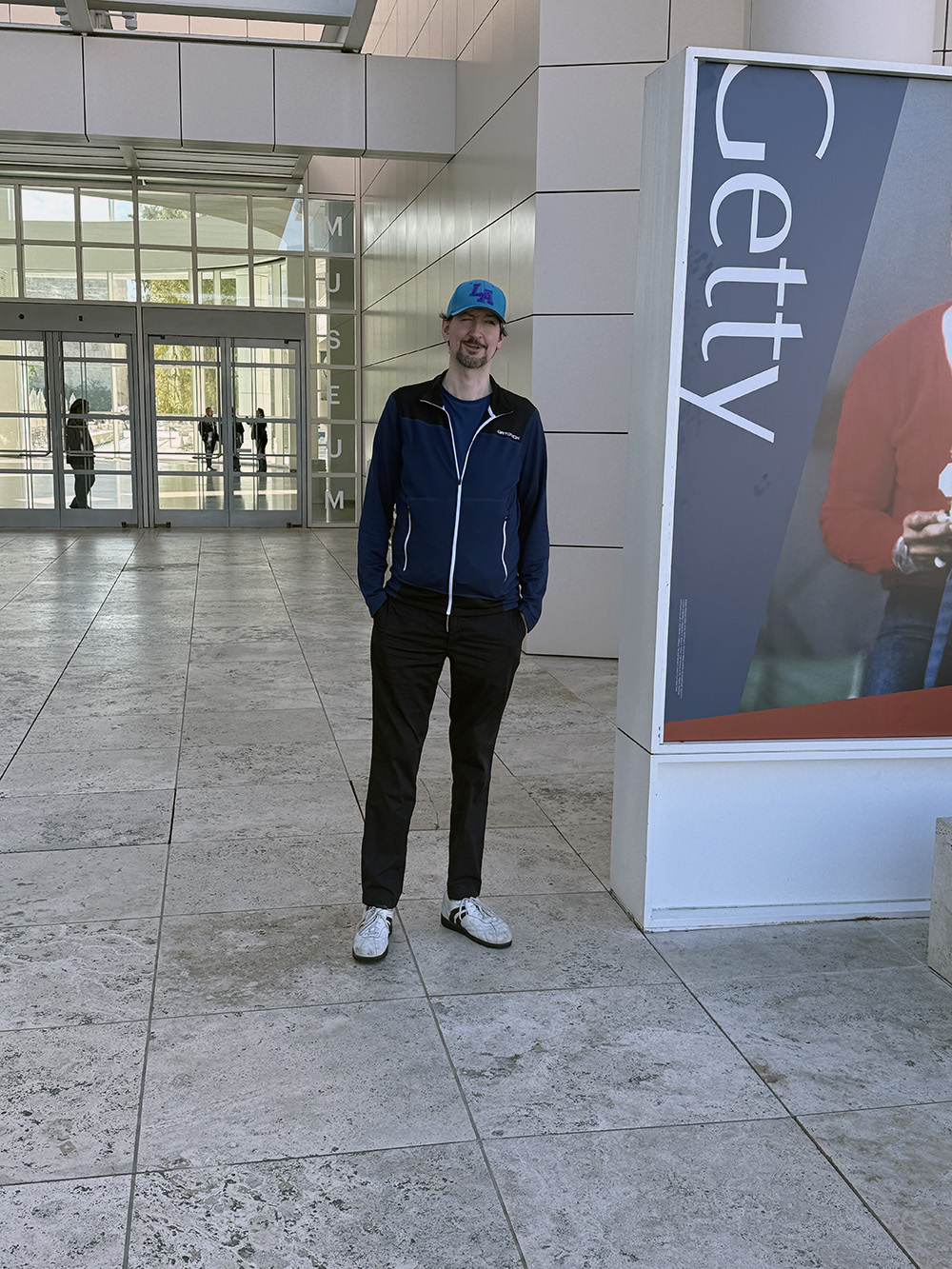
If you’re traveling to Los Angeles and are interested in art, culture, and history, a visit to the renowned Getty Museum is a must. We were, of course, particularly drawn to the manuscript exhibition, which featured, among other things, two of the undisputed highlights of the manuscript collection: the Stammheim Missal and the Getty Apocalypse.
Images of the Creation of the World
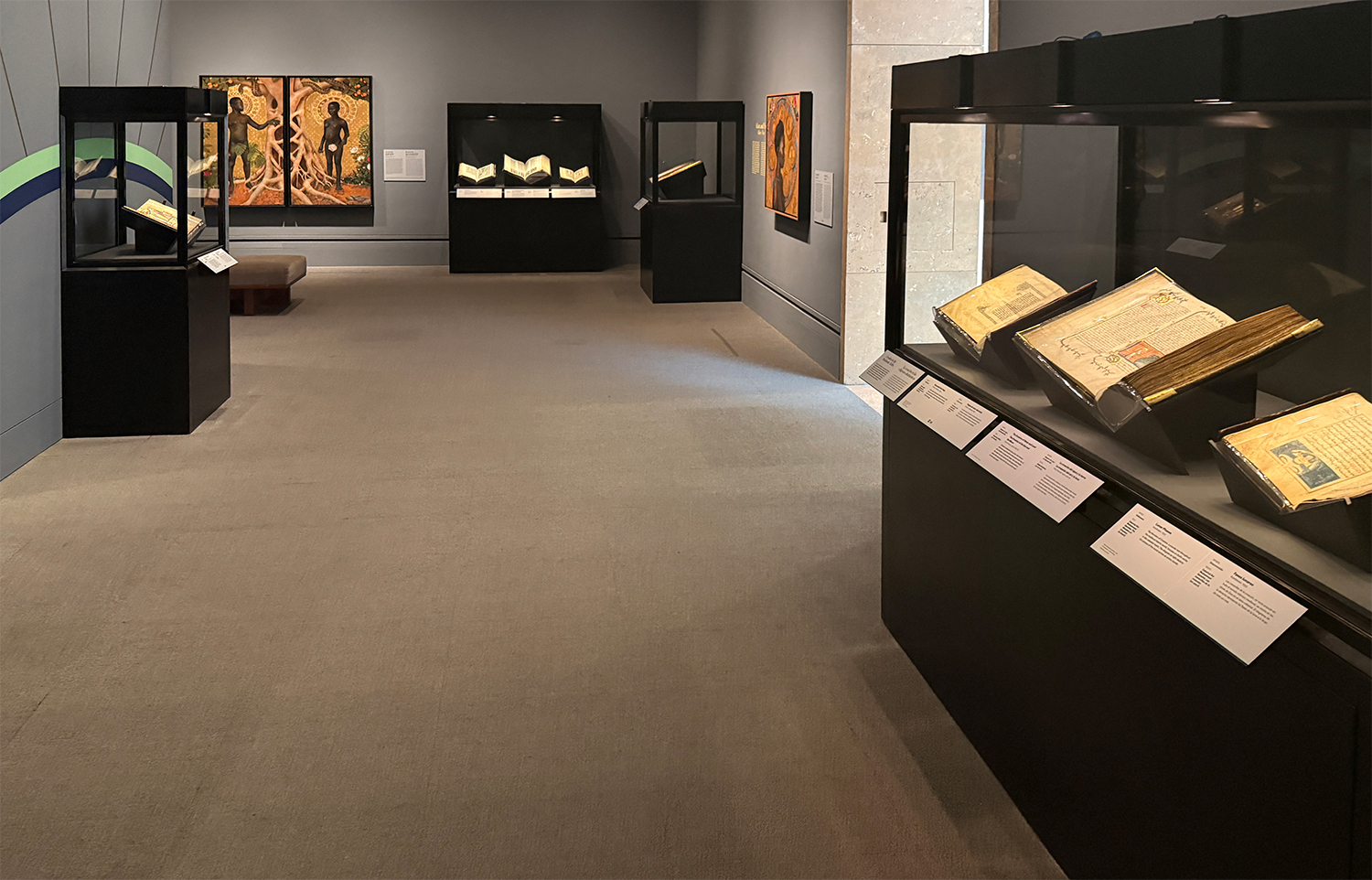
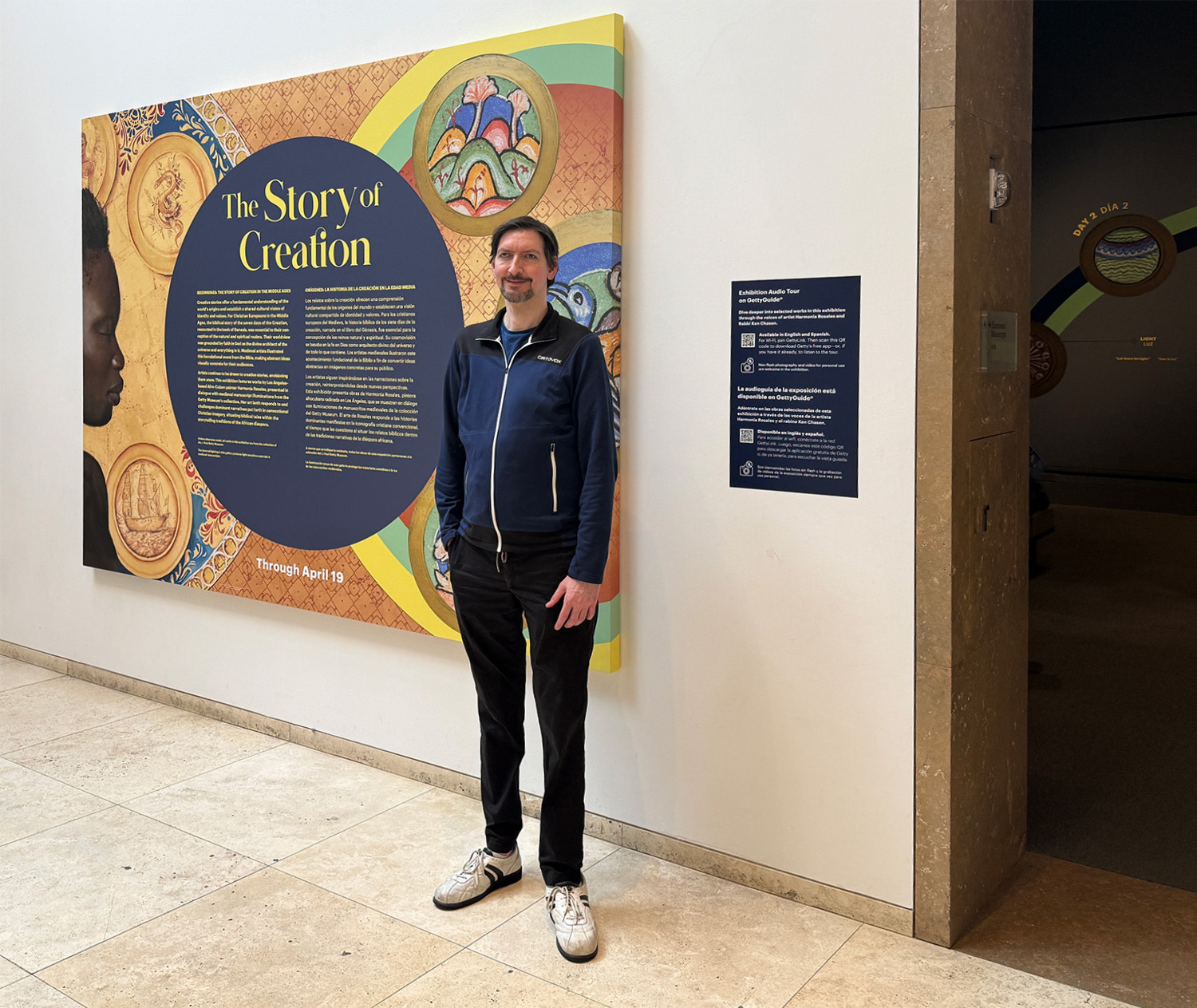
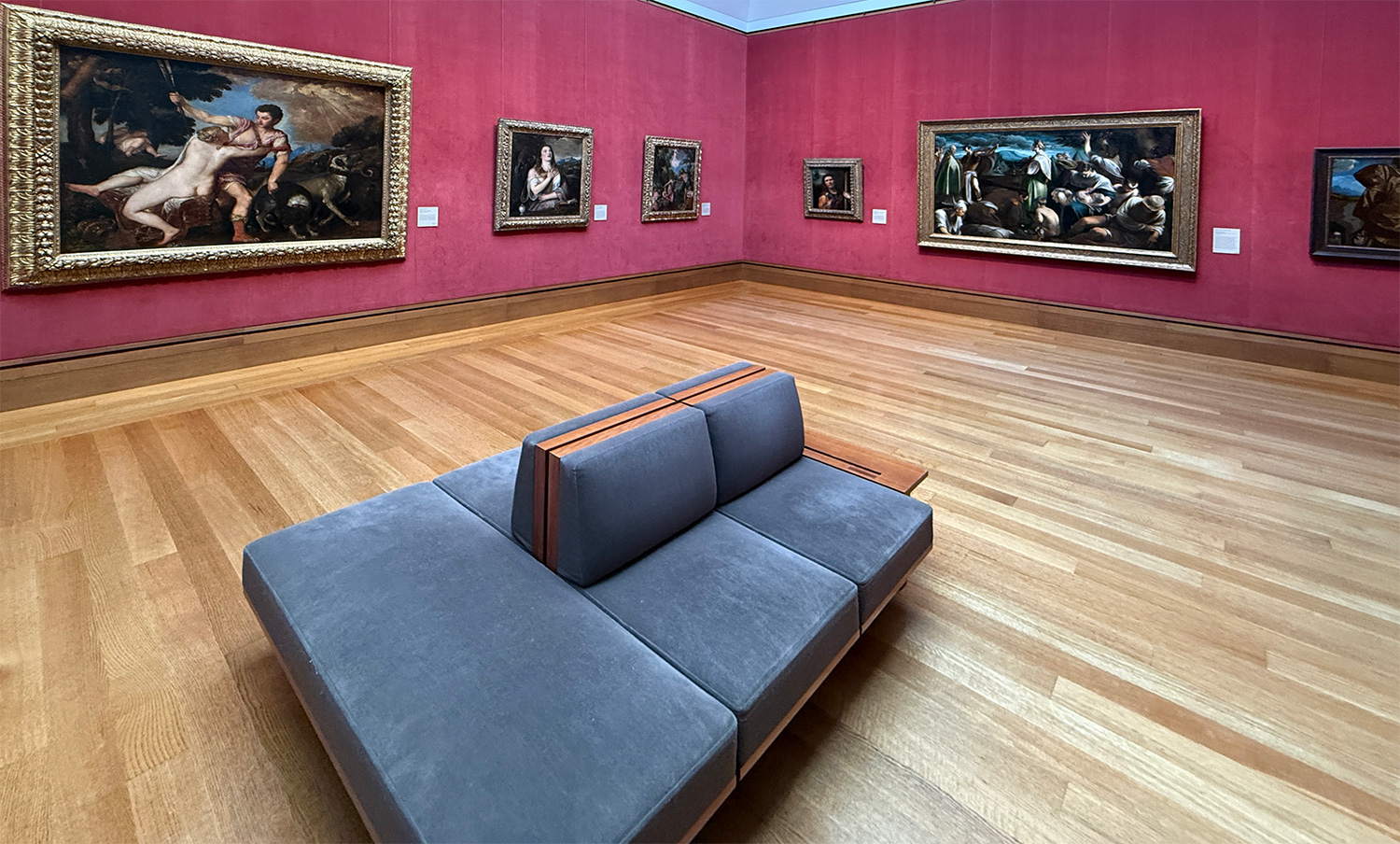
The two precious codices were part of the temporary exhibition Beginnings: The Story of Creation in the Middle Ages. The exhibition juxtaposes the medieval imagery of magnificently illuminated Christian manuscripts with several expressive paintings by LA-based artist Harmonia Rosales (1984–). In her works, Rosales engages with the ancient visual traditions found in these centuries-old miniatures. The result is a fascinating interplay of historical and contemporary perspectives on the biblical story of creation and its artistic interpretations, both past and present.
The Getty and Its Manuscript Collection
The Getty Museum’s exceptional manuscripts are usually on view only in rotating special exhibitions such as this one, in order to protect and preserve them as effectively as possible while still presenting the originals to a broad audience. The manuscript collection, which primarily comprises Christian book art, traces its origins to the 1983 acquisition of a remarkable assortment of 144 illuminated medieval manuscripts from the so called Ludwig Collection, the private collection of the Ludwigs, a couple from Aachen, Germany. This core collection has been steadily expanded, so that the manuscript collection now comprises over 300 codices and individual folios.
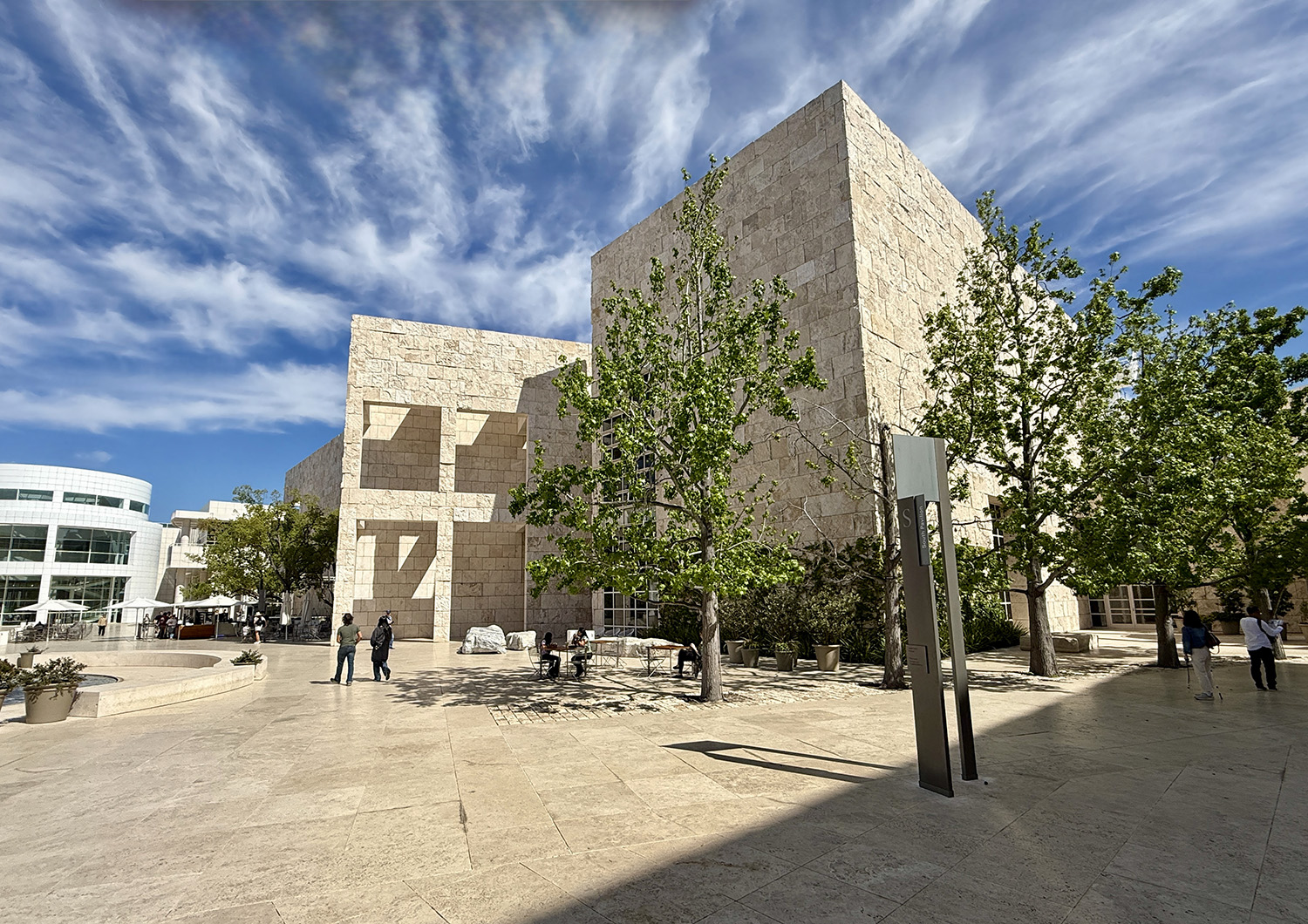
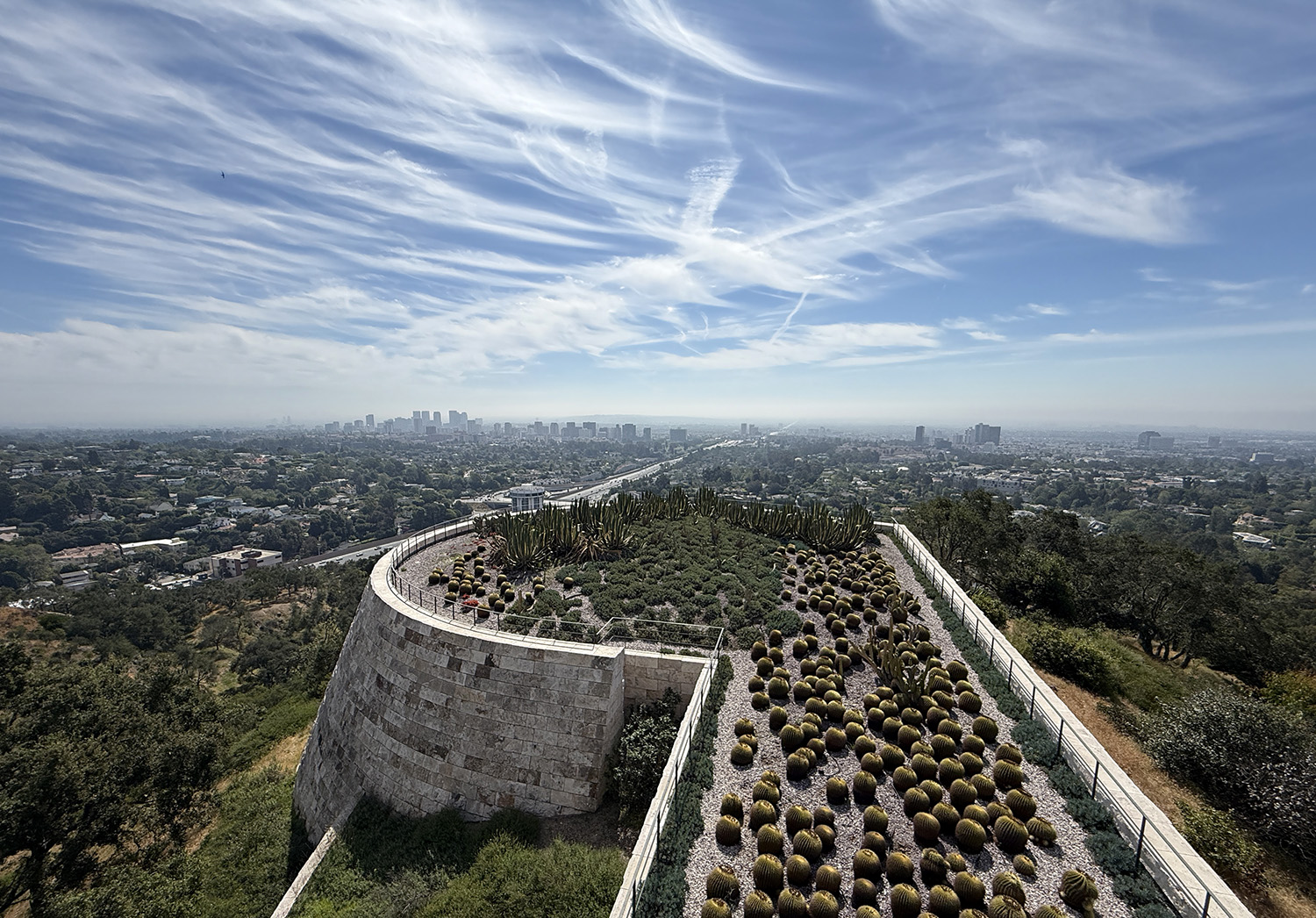
Thus, the collection was established 29 years after the opening of the “first” J. Paul Getty Museum—which was then still located on the private estate of the eponymous art collector and oil magnate J. Paul Getty (1892–1976) in Pacific Palisades, near Malibu. Today, this site is home to the Getty Villa, which houses a collection of ancient Greek and Roman art. In 1997, the Getty Center, designed by architect Richard Meier (1934–), opened in Brentwood; it is now not only the museum’s main campus but also houses several affiliated institutions, cafés and restaurants—all with a view over Los Angeles and nestled within a 86-acres complex of terraces and biodiverse gardens. Here, numerous exhibitions showcase primarily pre-modern European art of nearly every genre and global photography from its beginnings to the present day.
The Crown Jewel of the Exhibition: The Stammheim Missal
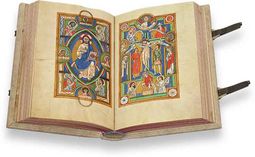
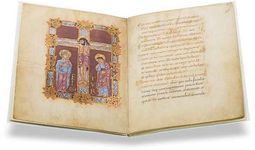
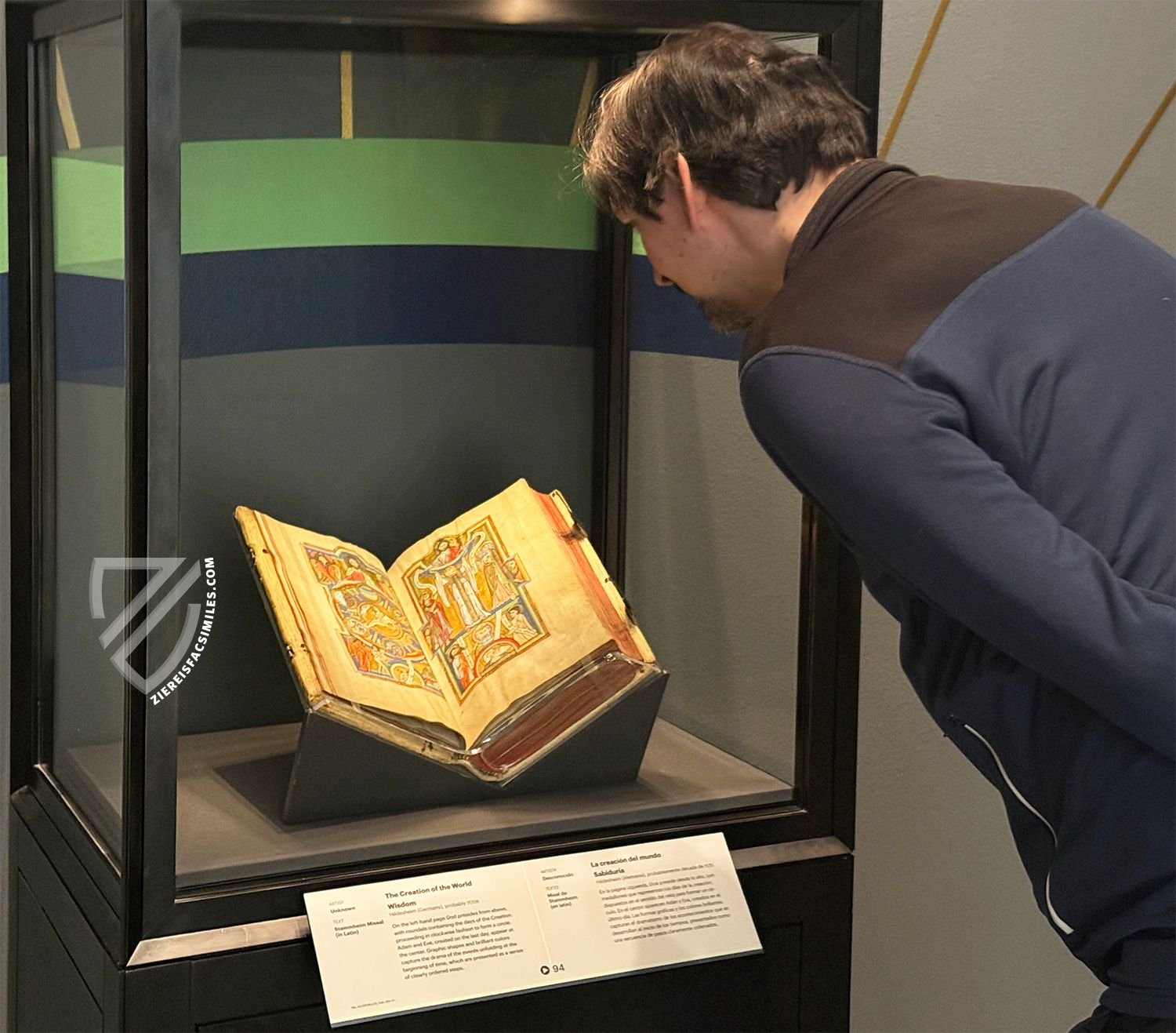
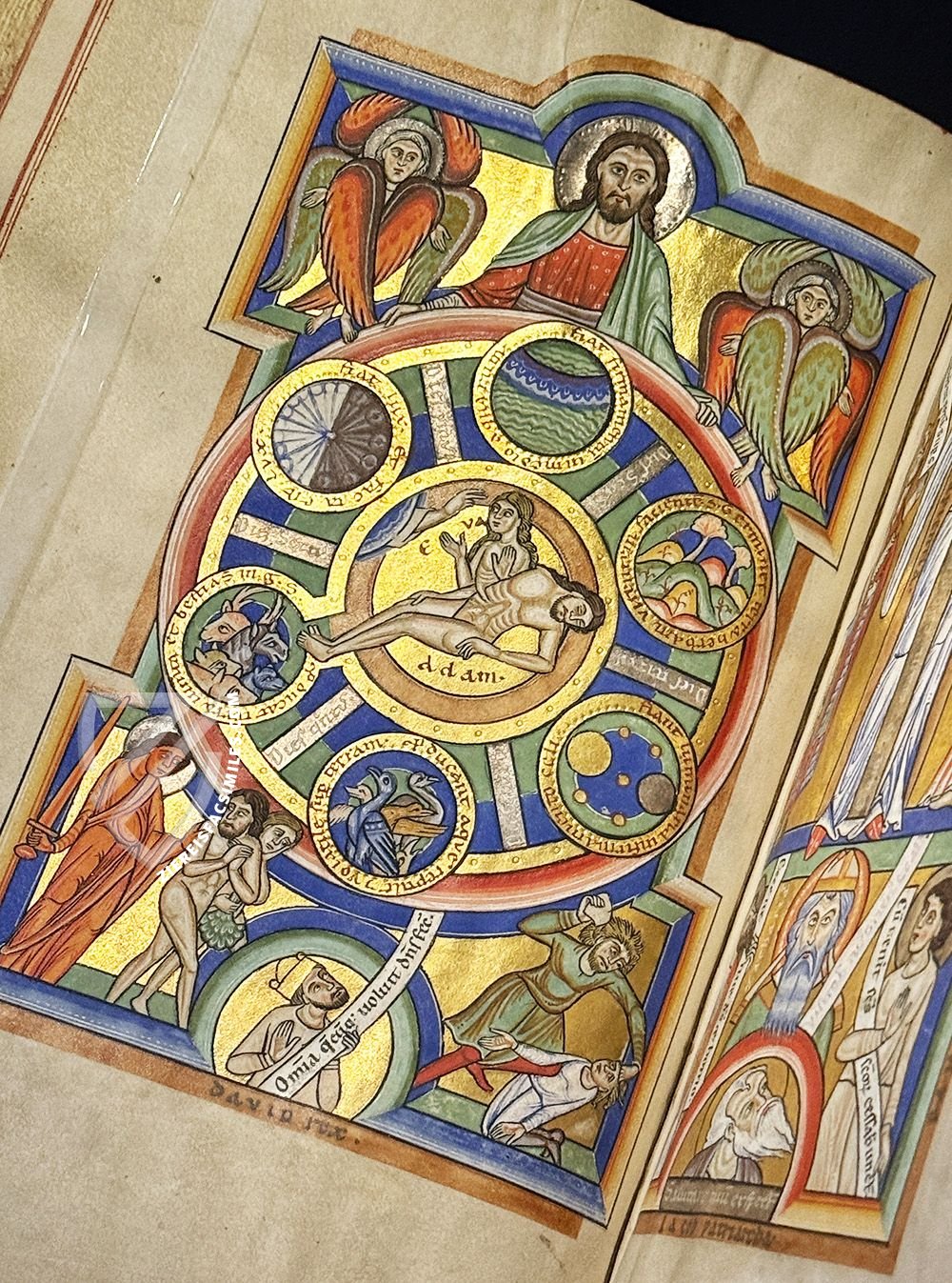
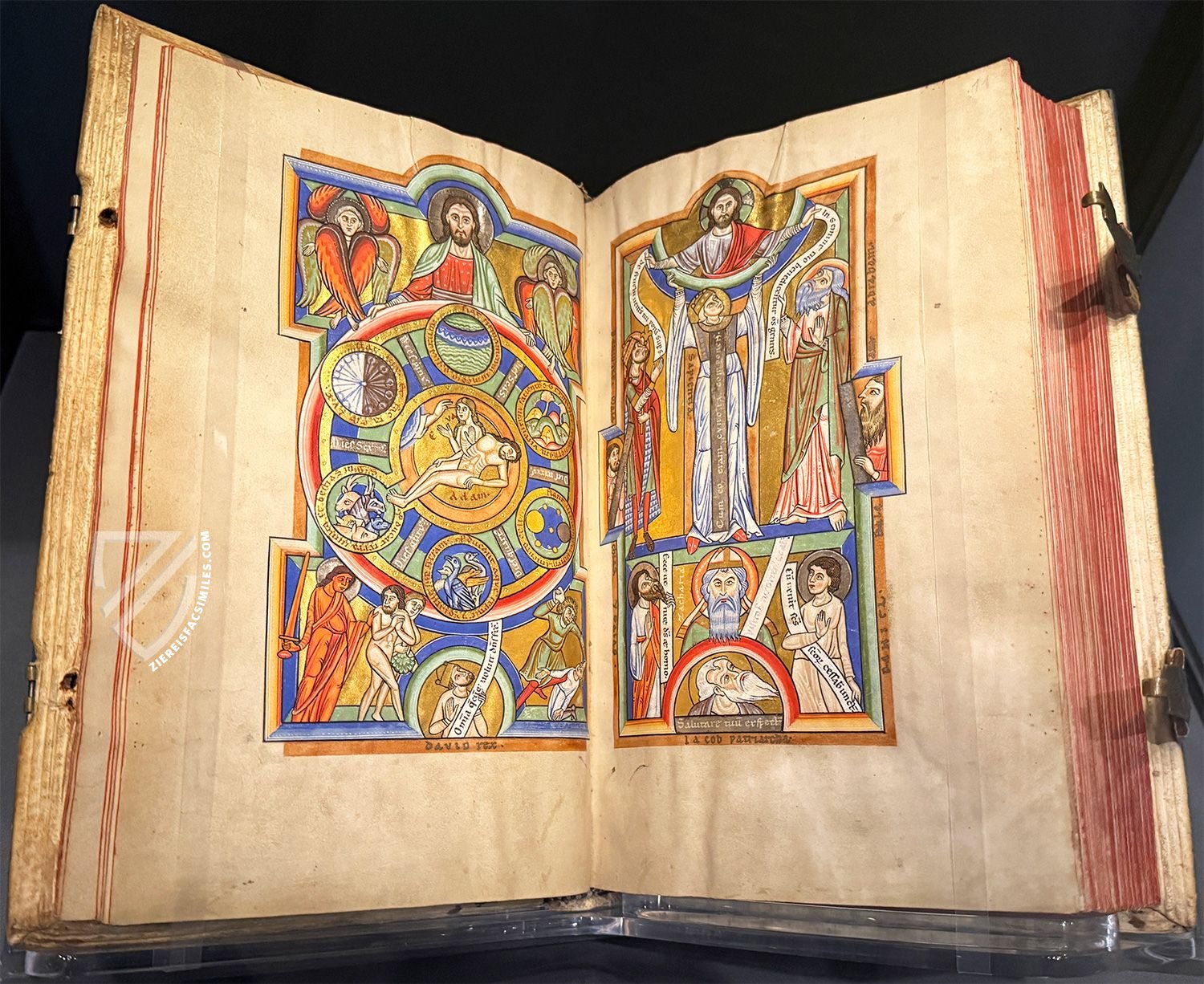
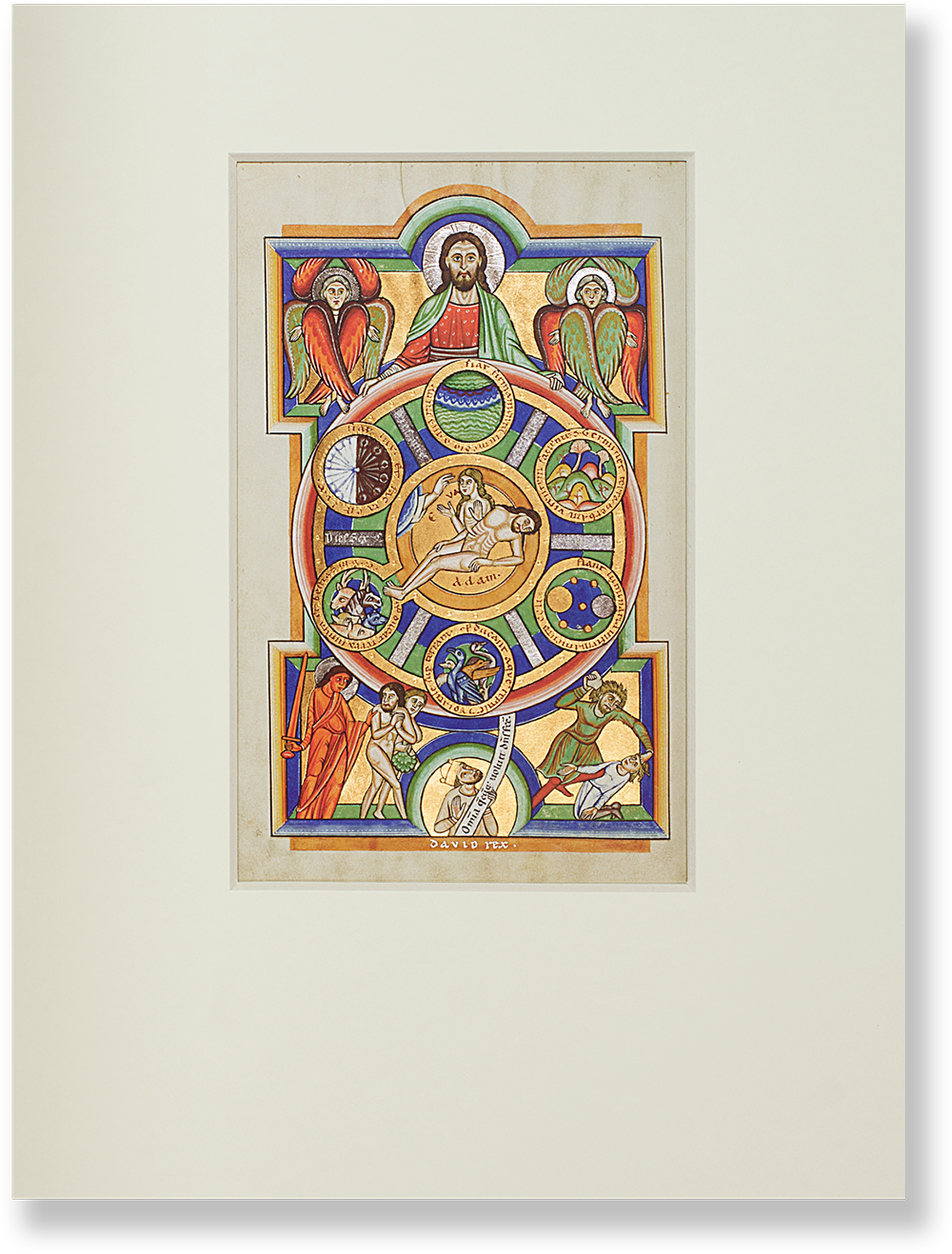
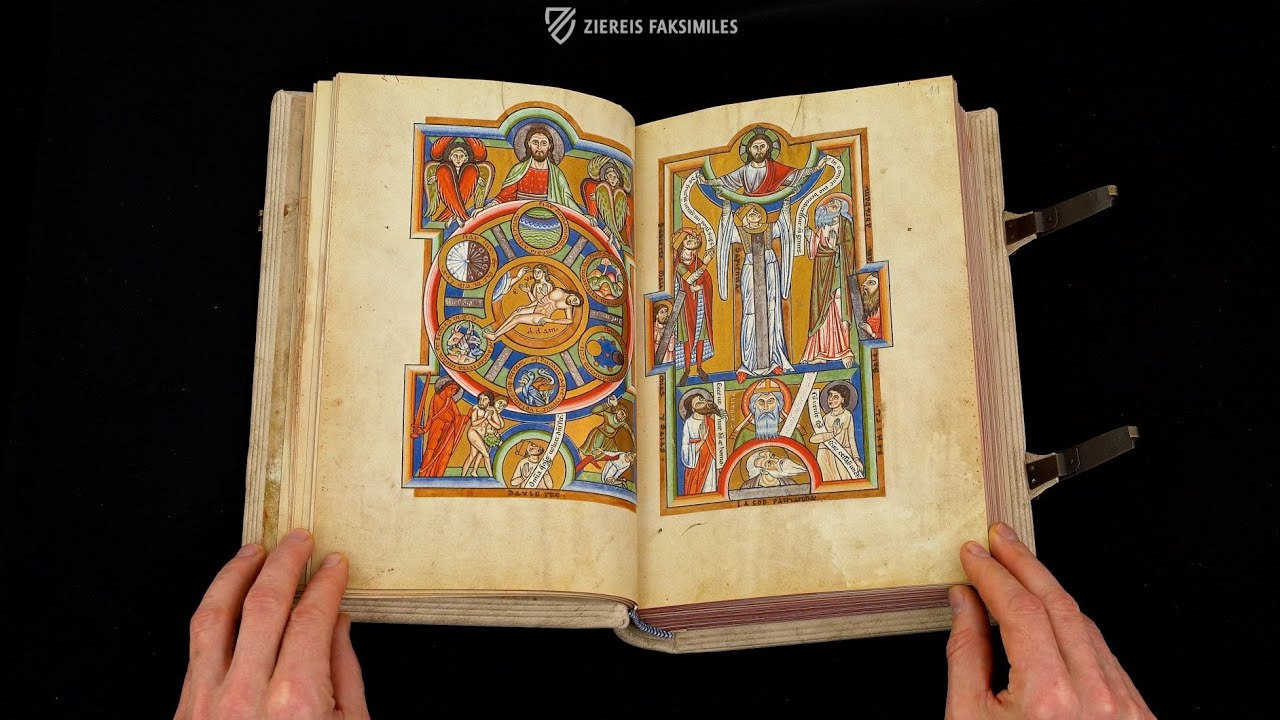
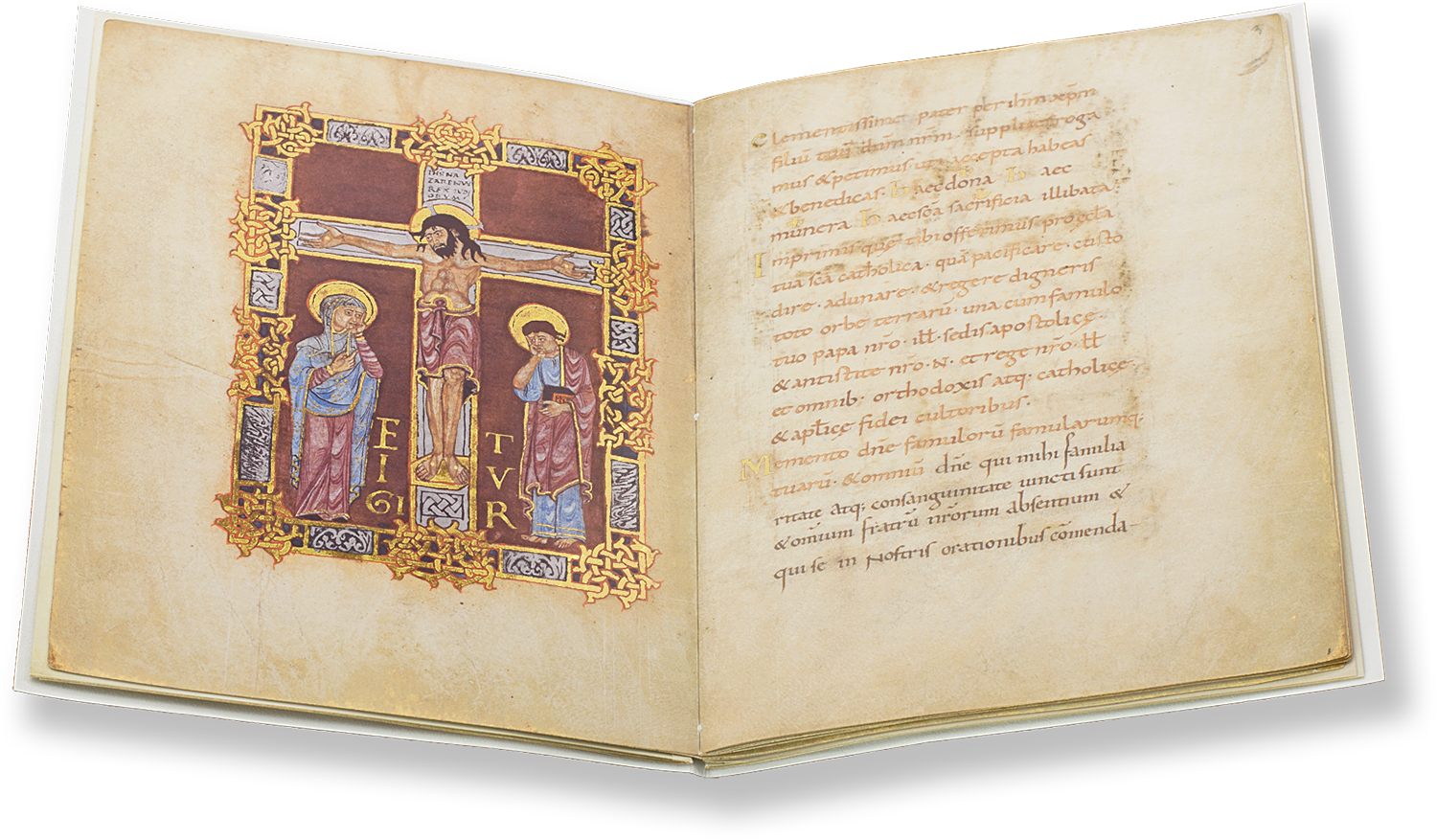
By far our favorite highlight of the exhibition was the impressive Stammheim Missal—one of the most impressive works of German Romanesque book art. It contains all the prayers and chants required for the celebration of Mass and was created around 1170 in the scriptorium of St. Michael’s Abbey in Hildesheim by three anonymous scribes and a highly talented illuminator. He realized an extensive program of illuminations, the execution of which not only involved the use of extremely precious materials but is also highly complex in terms of its theological composition. The resulting art work thus displays an incredible blend of dynamism, liveliness, and grandeur.
To the facsimile
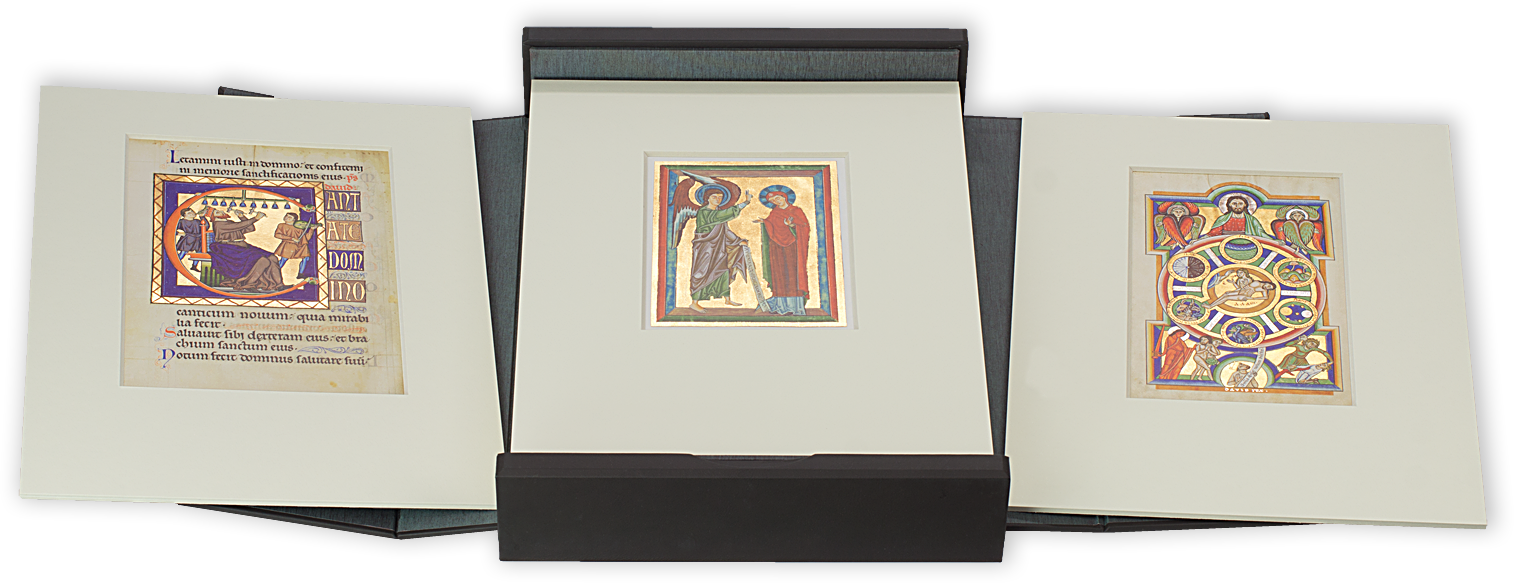
The Getty Museum displayed what is arguably the most famous page of this medieval masterpiece: the illuminated page on the creation of the world—as described in the Book of Genesis—in the form of a wheel. Between the spokes, inscribed medallions represent, in a clockwise direction, what God created step by step according to the biblical story. The last medallion in the series opens onto the center of the circular composition, depicting the creation of Eve from the rib of the sleeping Adam.
To the facsimile
Images of the End Times: The Getty Apocalypse
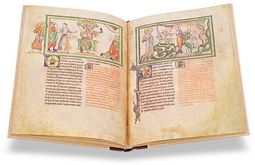
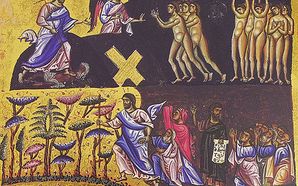
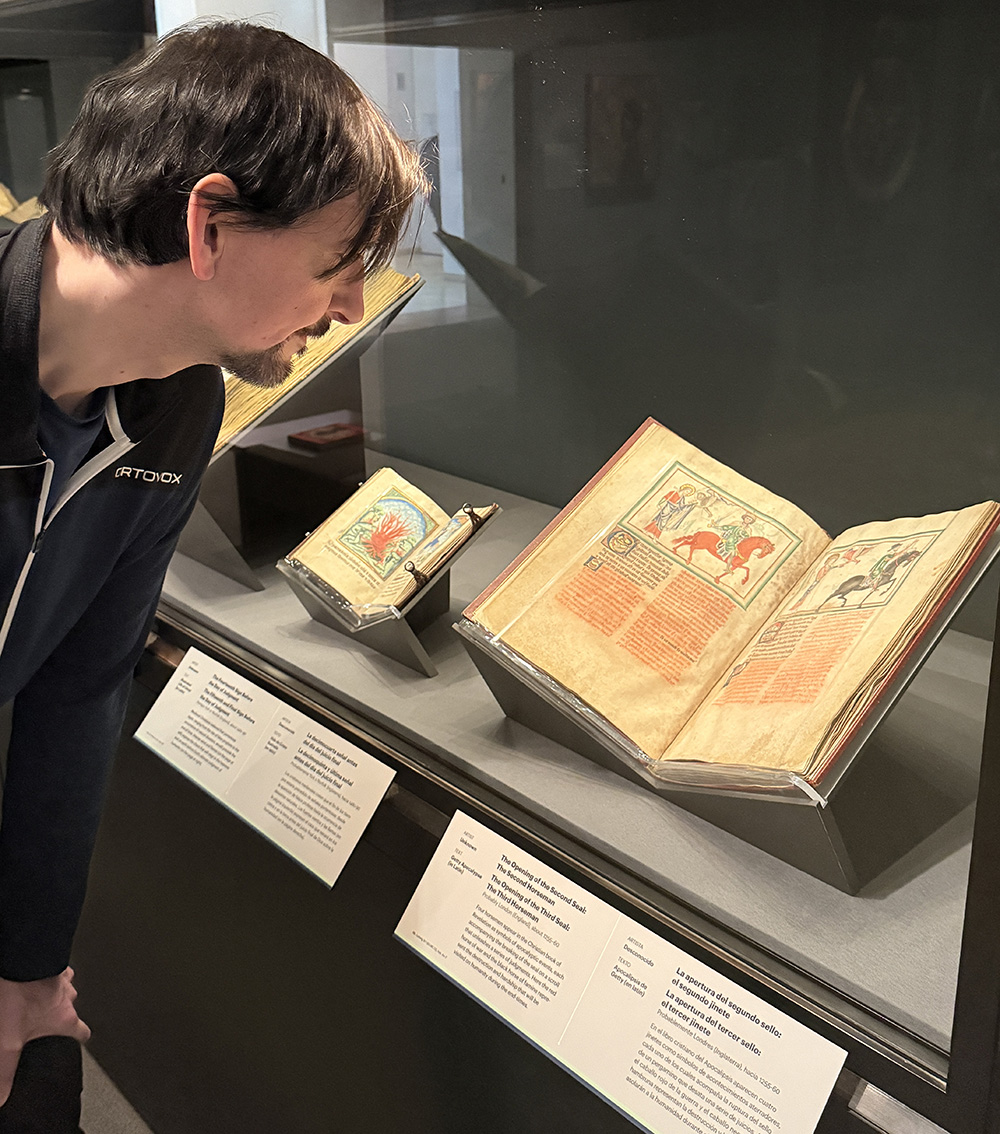
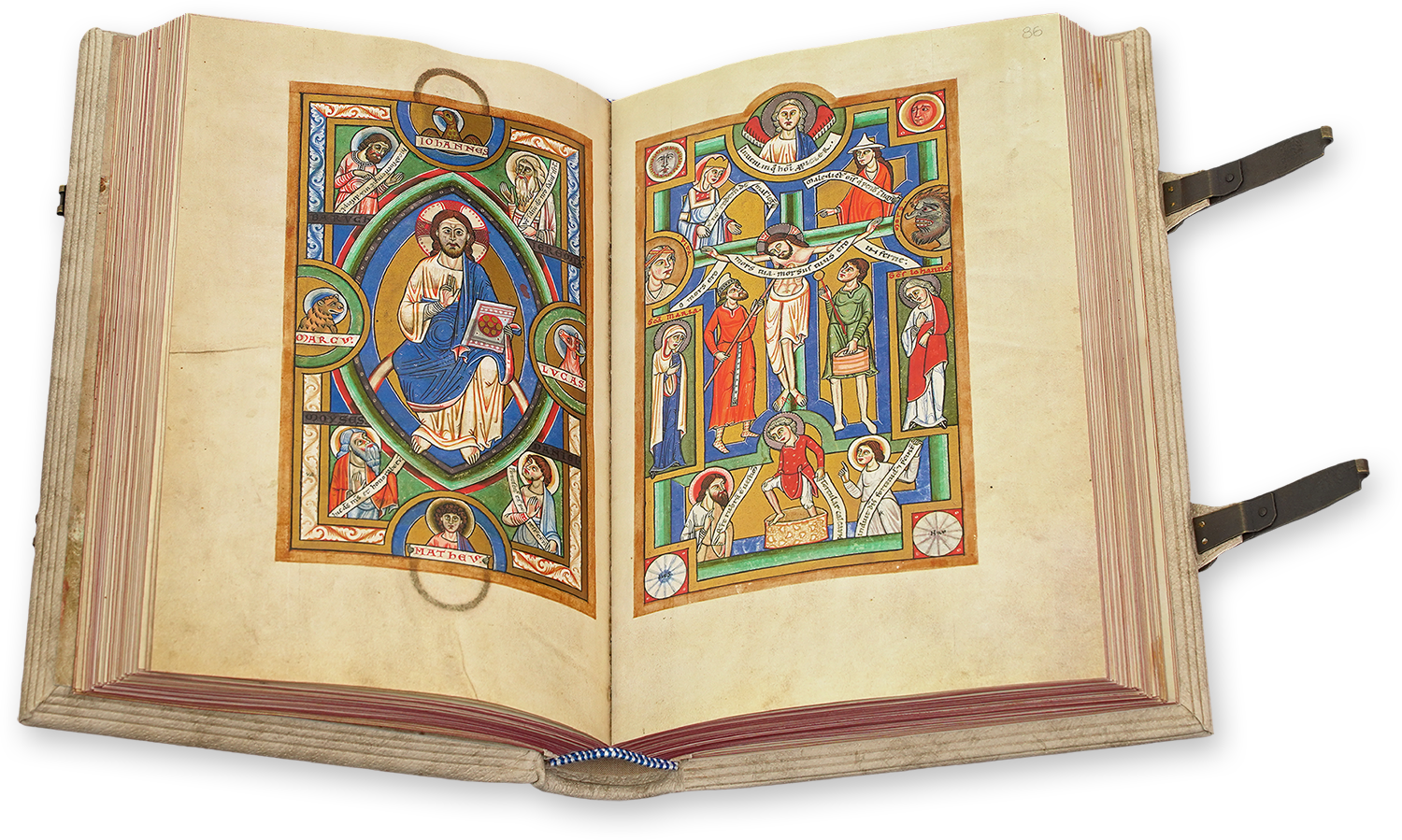
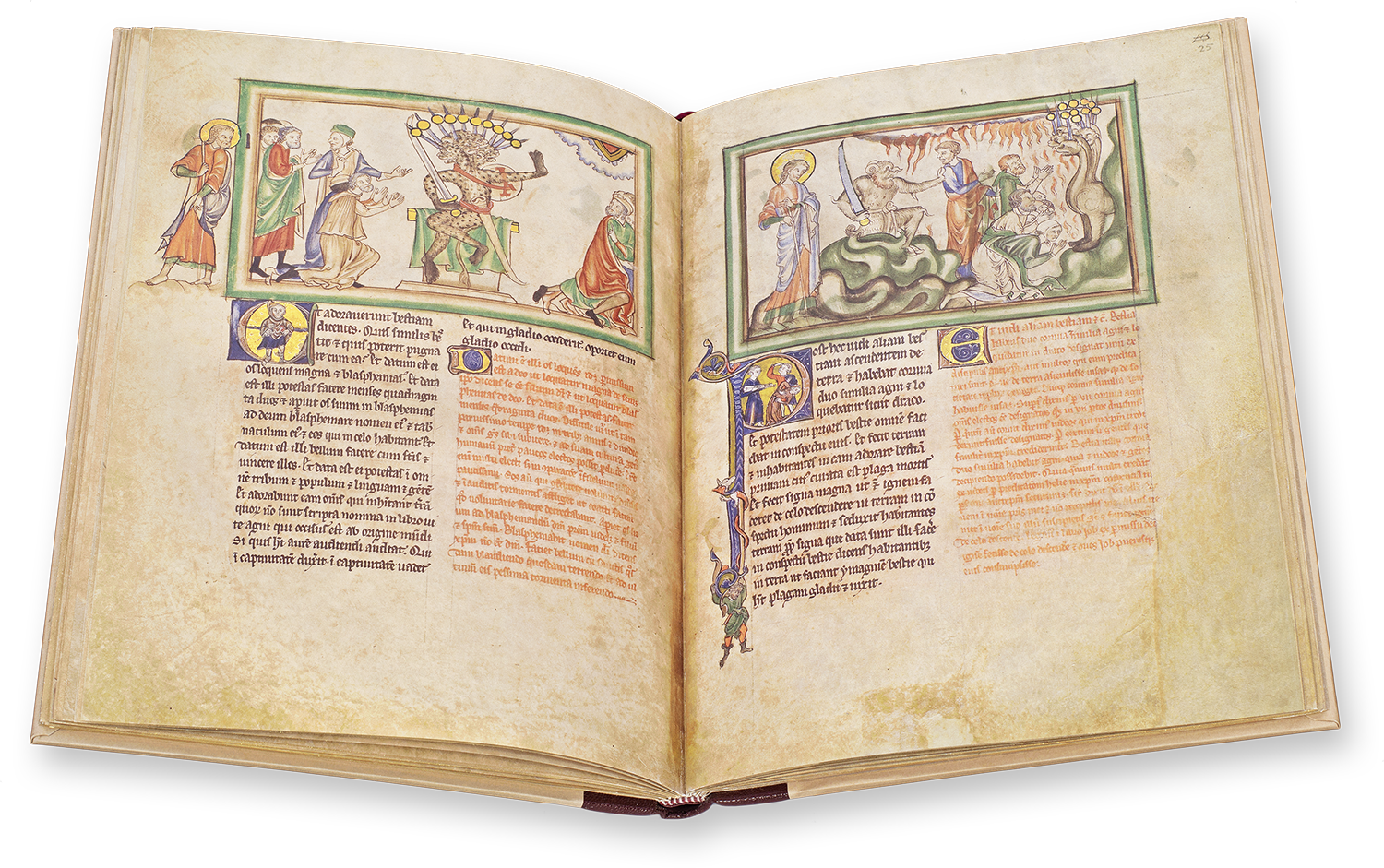
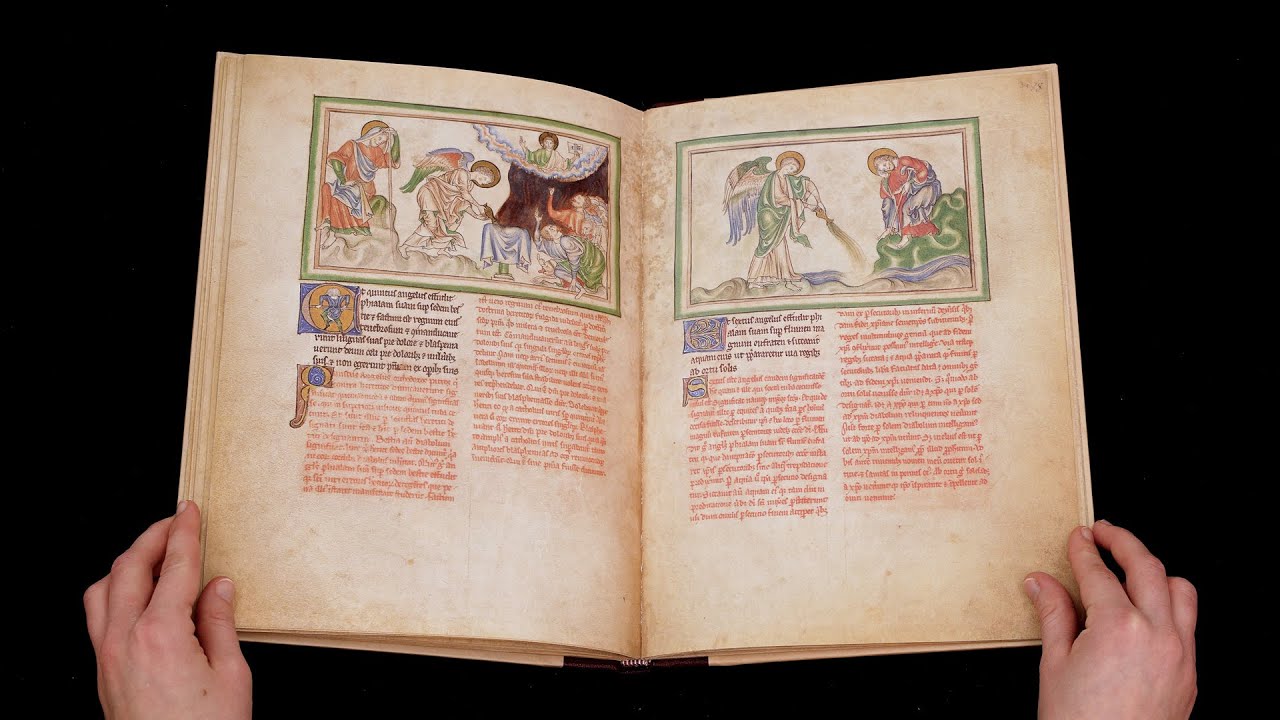
We were also enthralled by the famous Getty Apocalypse. With its captivating miniatures, which bring to life the extraordinary narratives of the Book of Revelation, it ranks among the highlights of 13th-century English book art. Its illumination is firmly rooted in the tradition of English Gothic art, featuring graceful figures and wonderfully vivid scenes that masterfully convey the dramatic power of the apocalyptic story.
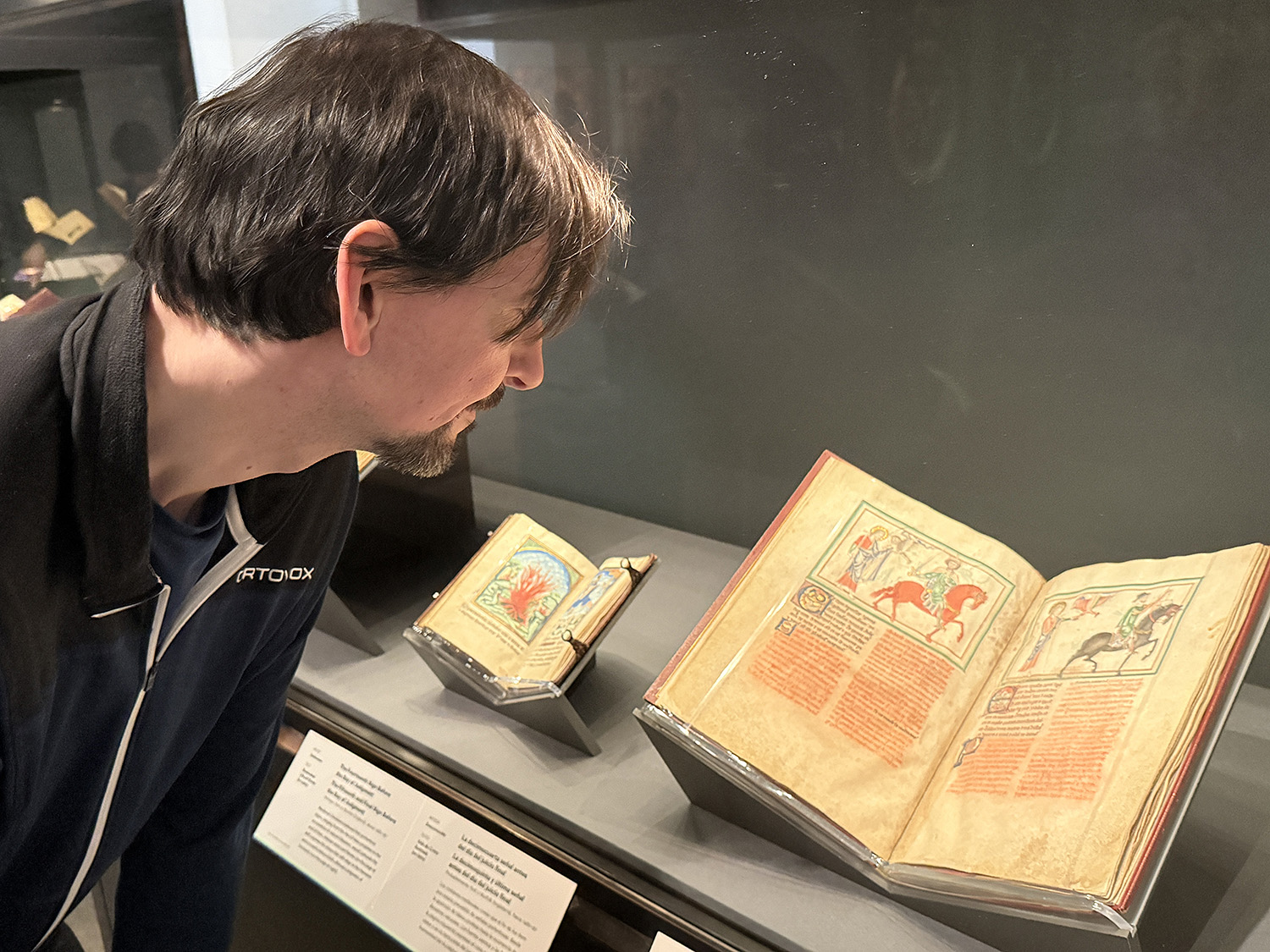
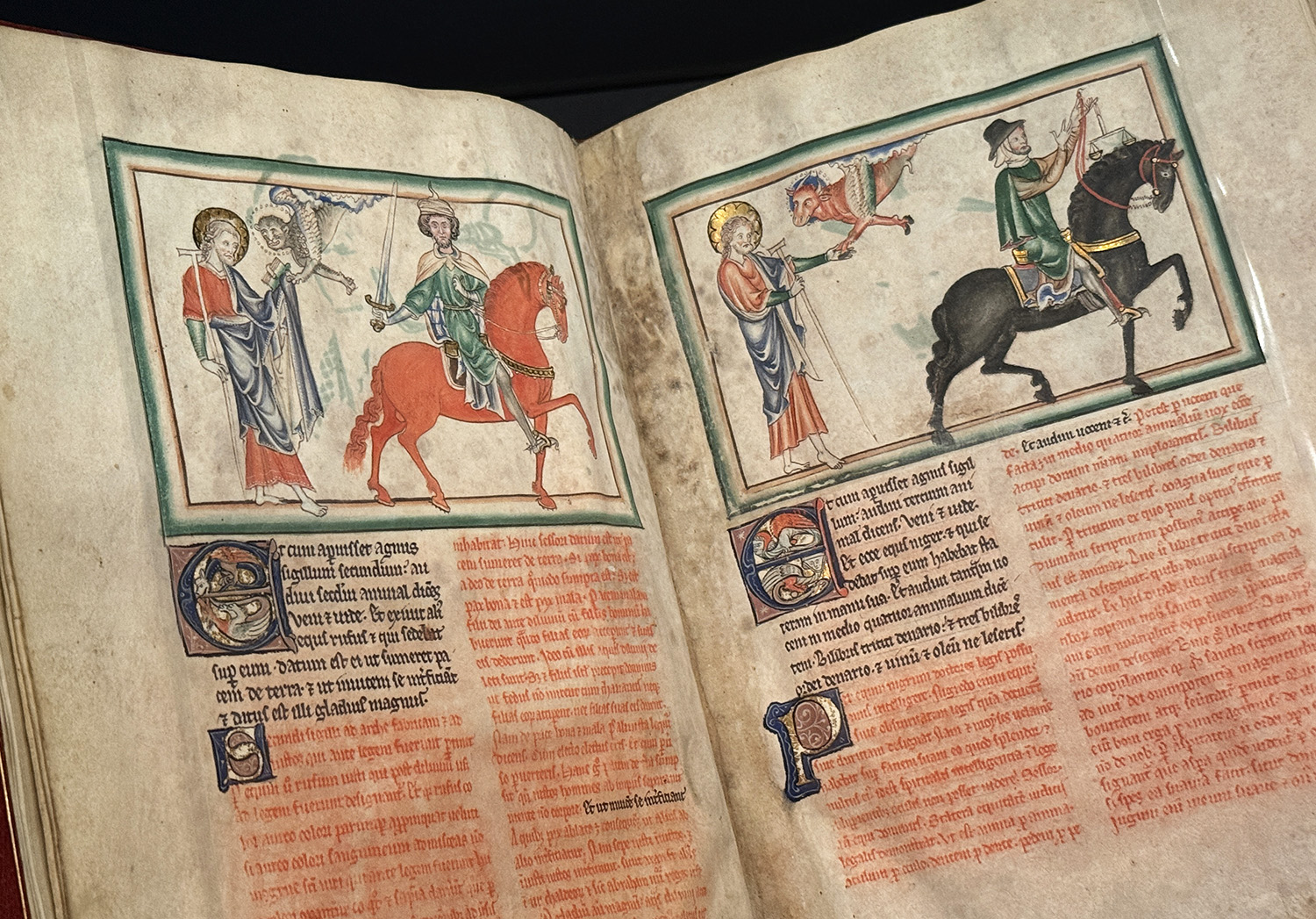
At this point in the exhibition, the focus shifted from images of creation to the question of whether, according to Christian belief, “evil” is also part of God’s creation. In the European Middle Ages, this was widely denied. Rather, “evil” was regarded as the result of the free will of humans and angels. However, there were also opposing viewpoints that interpreted biblical texts to mean that “evil”—or the devil/Satan—was also created by God. In any case, the challenge was to always choose “good” in order to be counted among the “righteous souls” on Judgment Day who would be allowed to enter the heavenly Kingdom of God. The Revelation of John, also known as the Apocalypse, deals with the end times and how they are heralded by various signs—including, for example, the Four Horsemen of the Apocalypse.
To the facsimile
Creation, Sin, and the Last Judgment in the Getty Museum’s Book Treasures
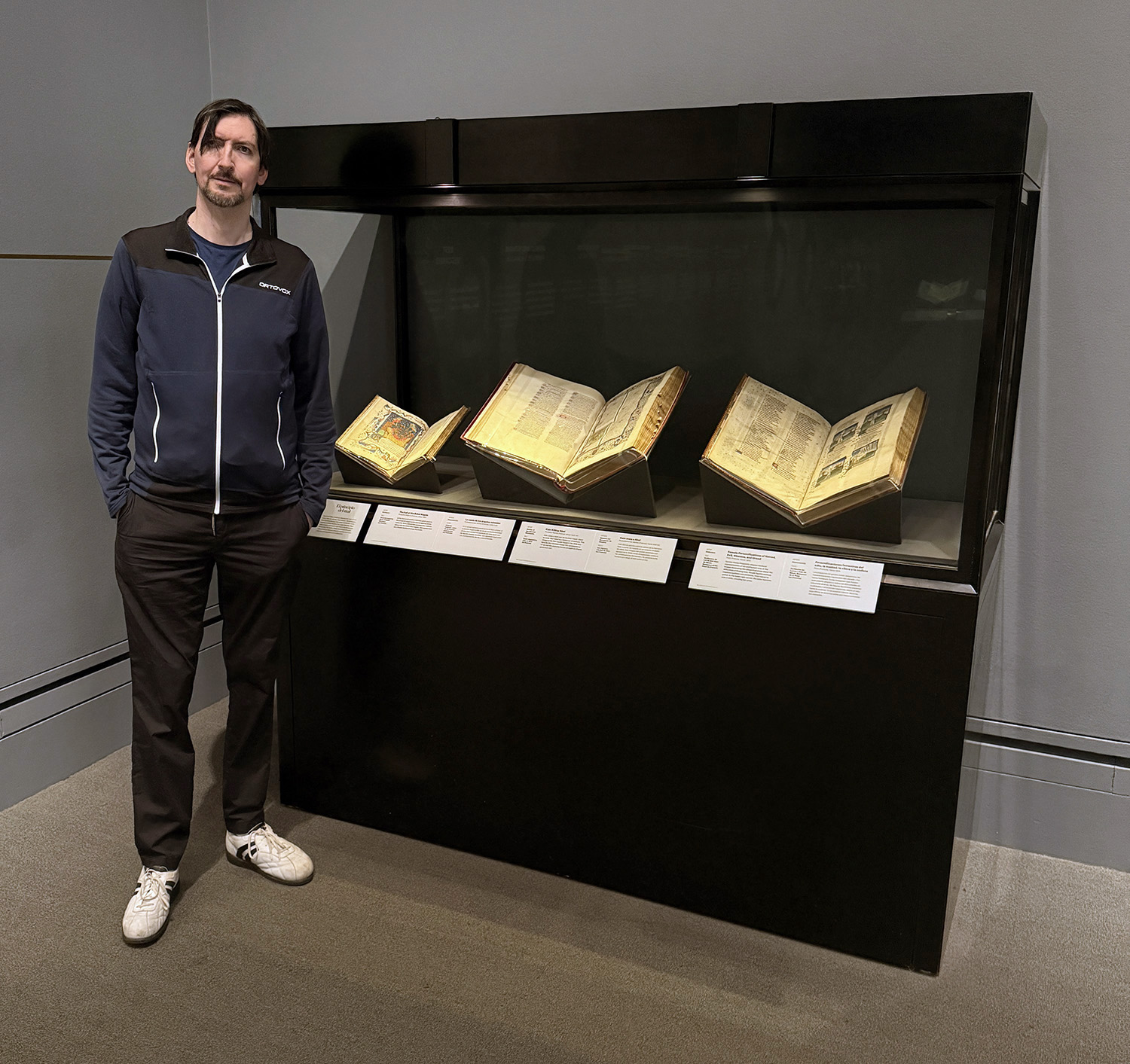
The Stammheim Missal and the Getty Apocalypse were displayed alongside several other significant and beautifully illuminated manuscripts. The Abbey Bible from Italy featured another picture cycle on the Creation, with the individual scenes arranged in an ornate chain of medallions. In the displayed Armenian Bible, medallions are linked with narrative scenes from the story of Adam and Eve on a radiant gold page.
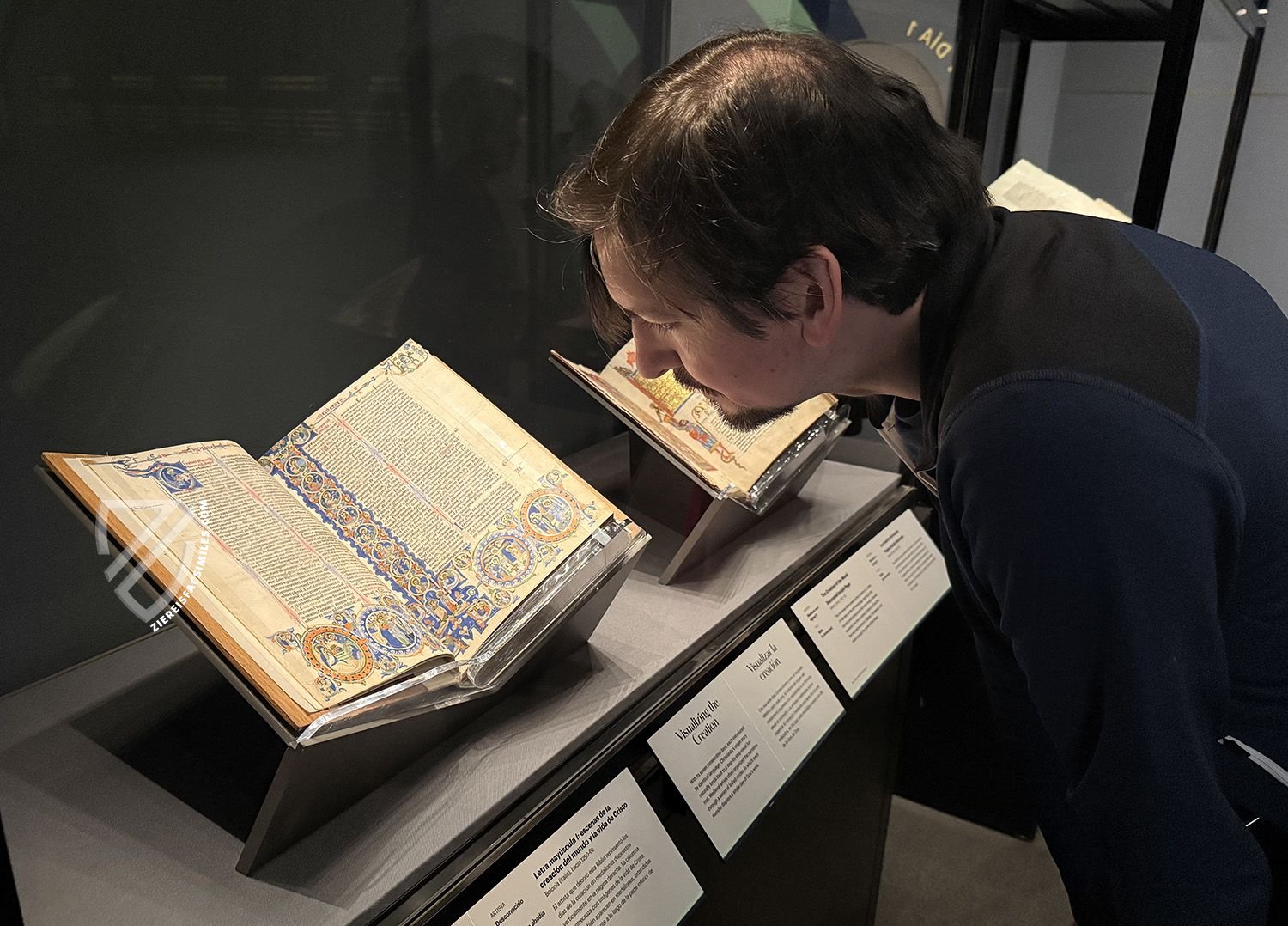
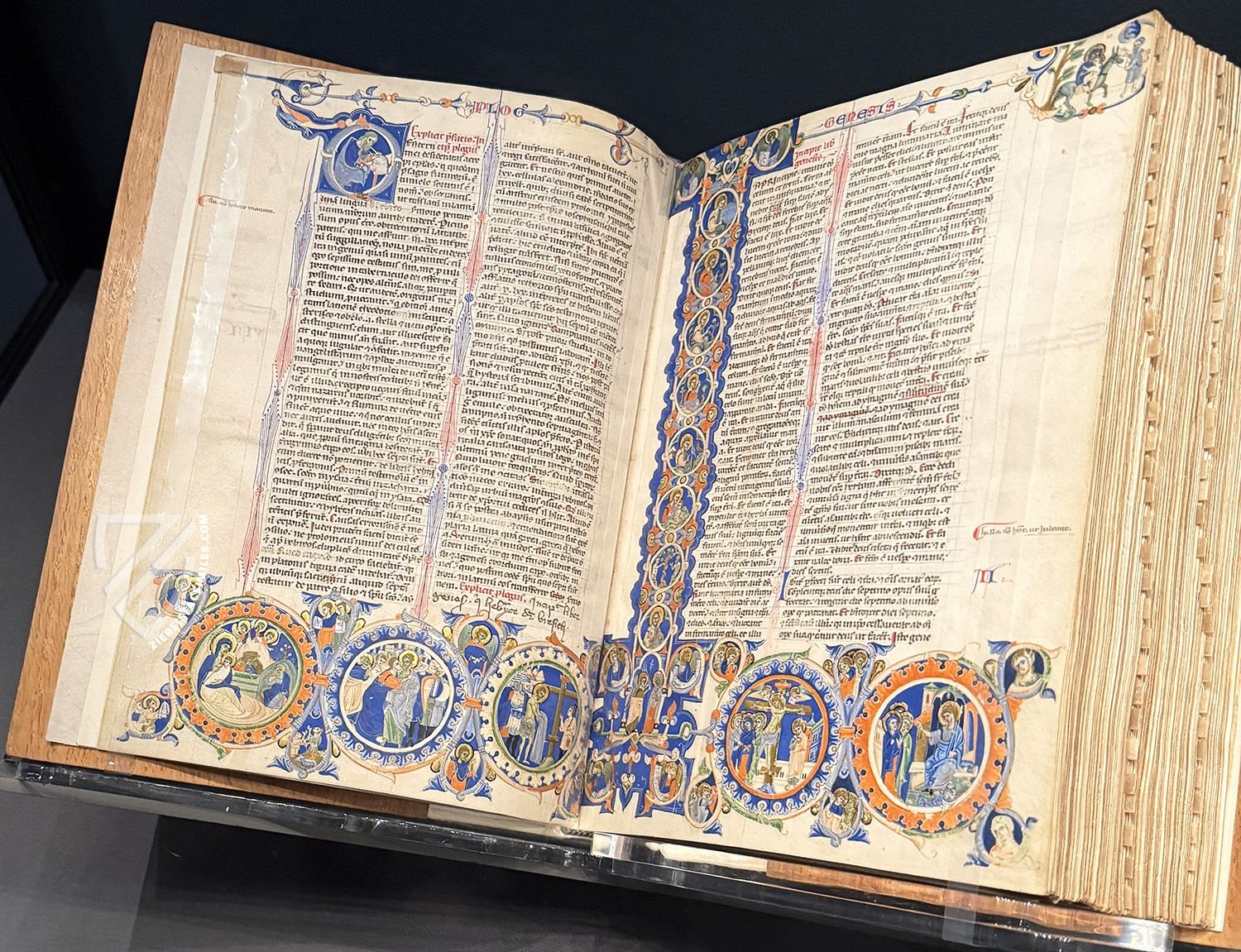
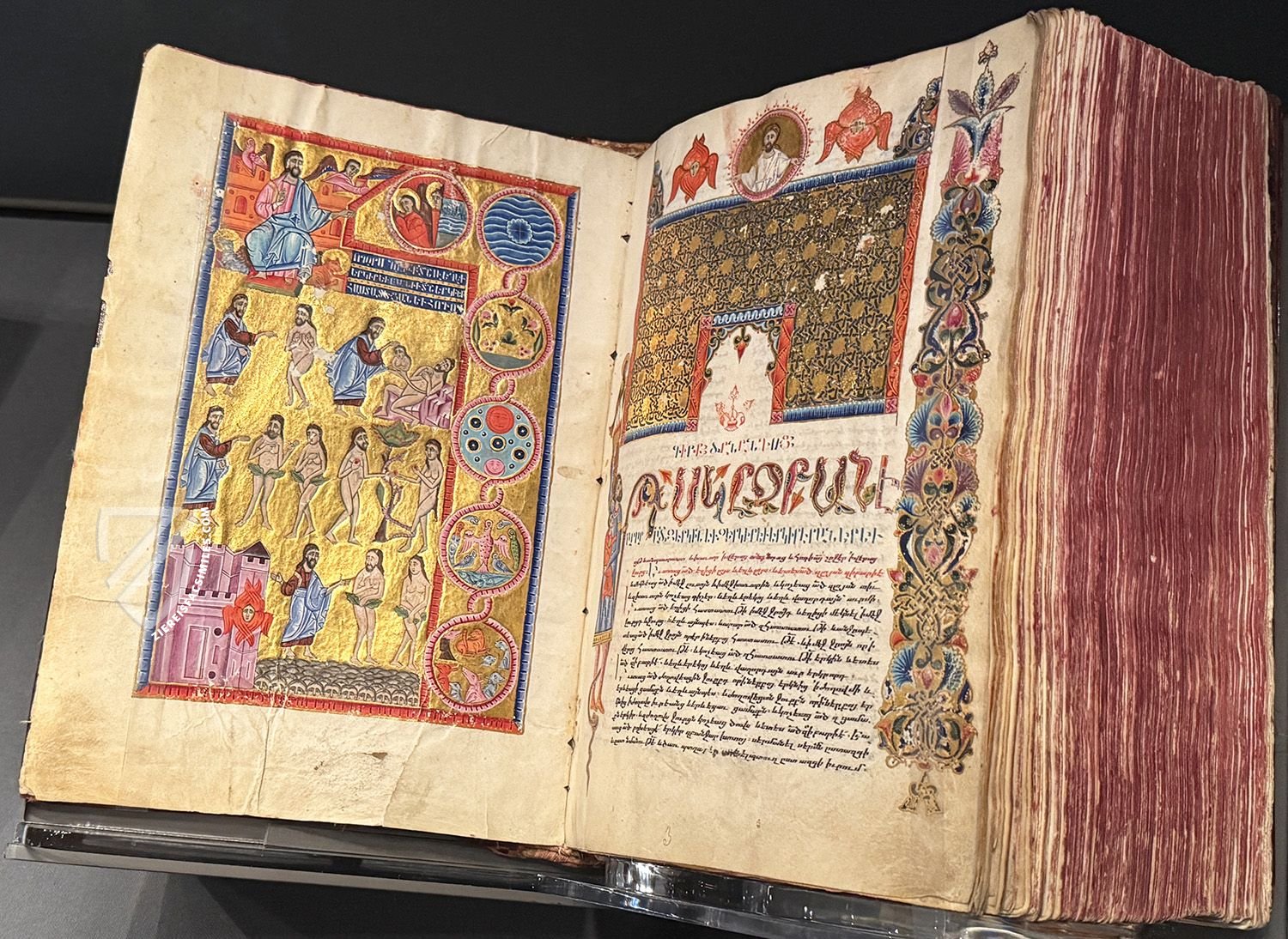
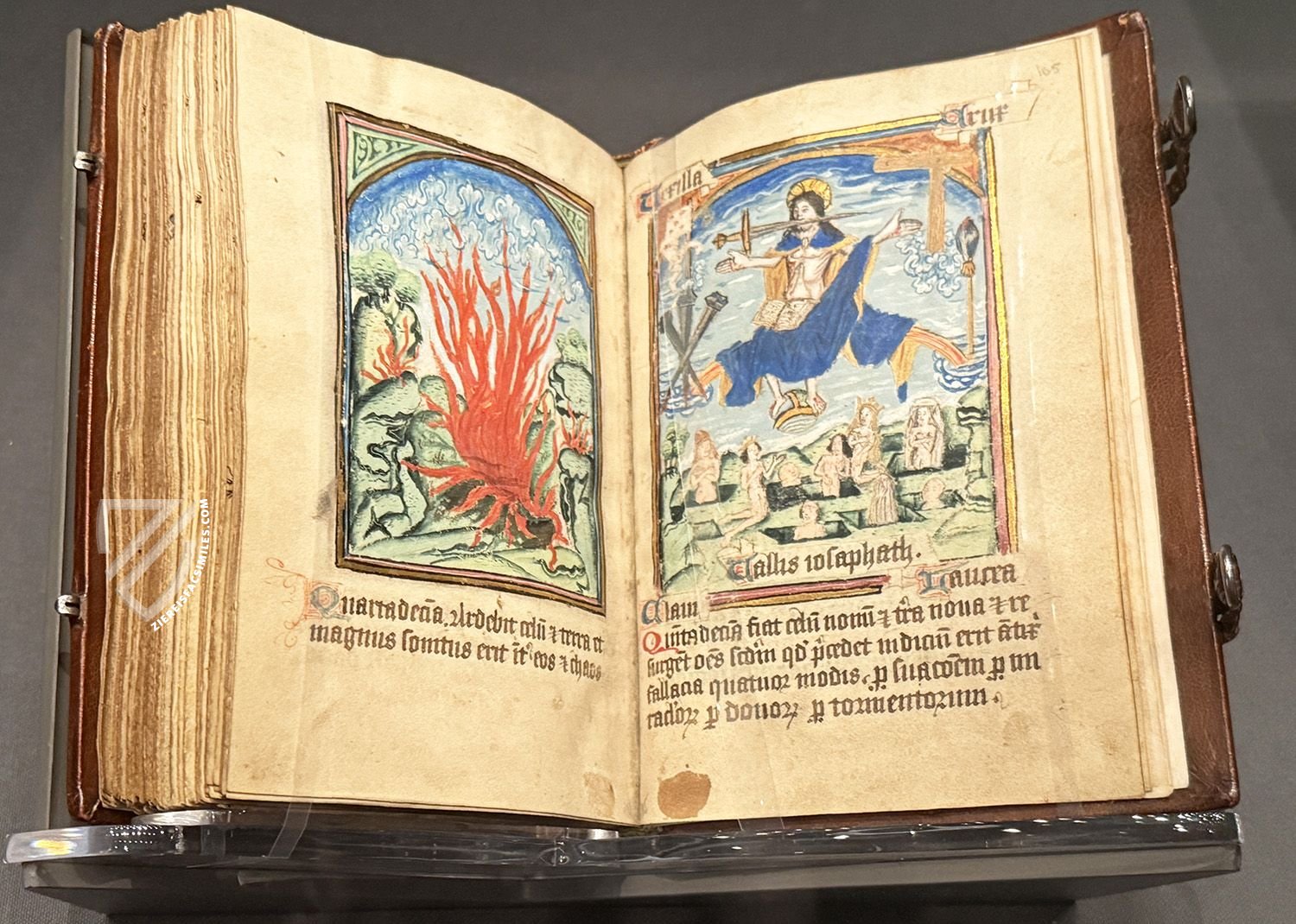
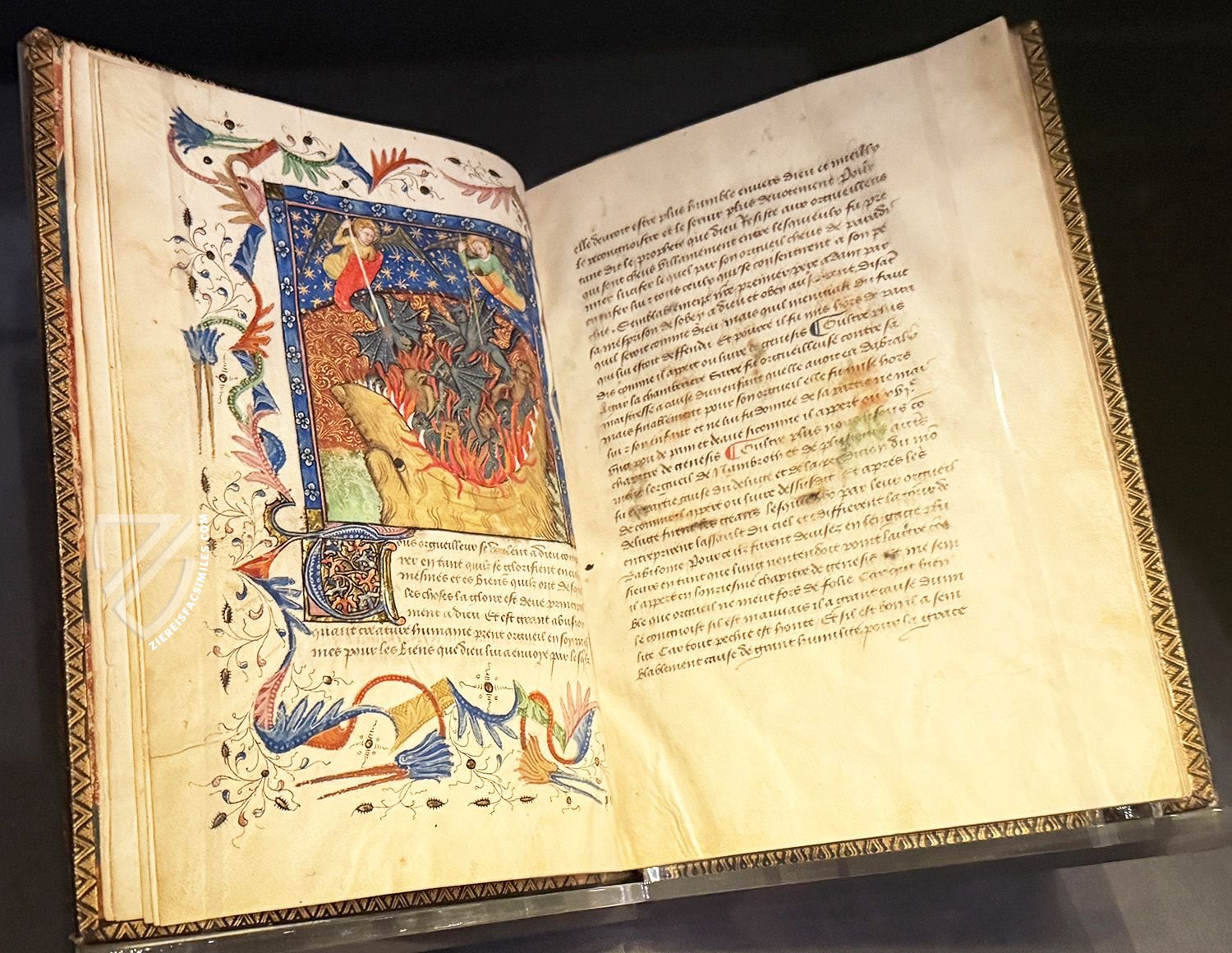
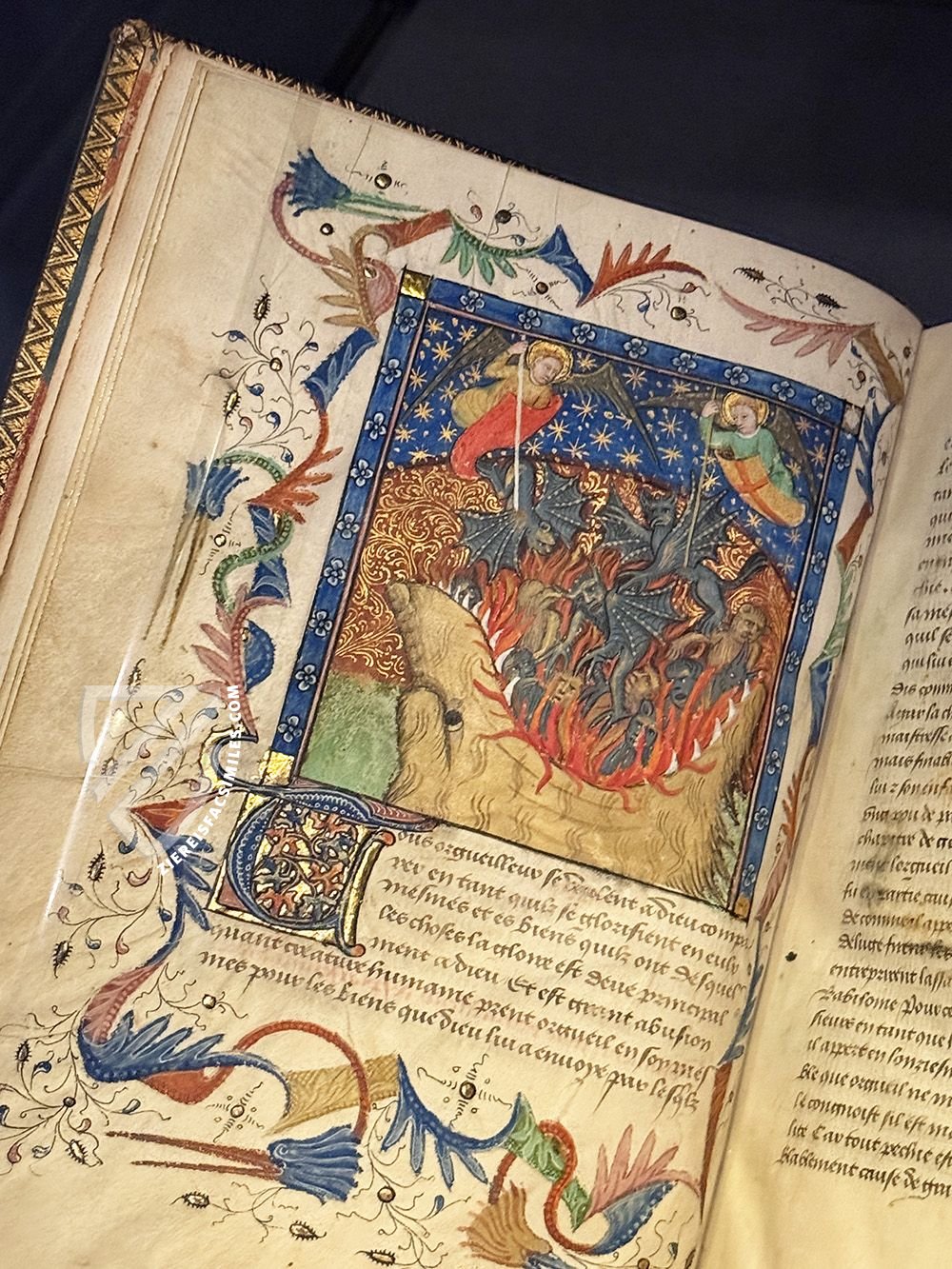
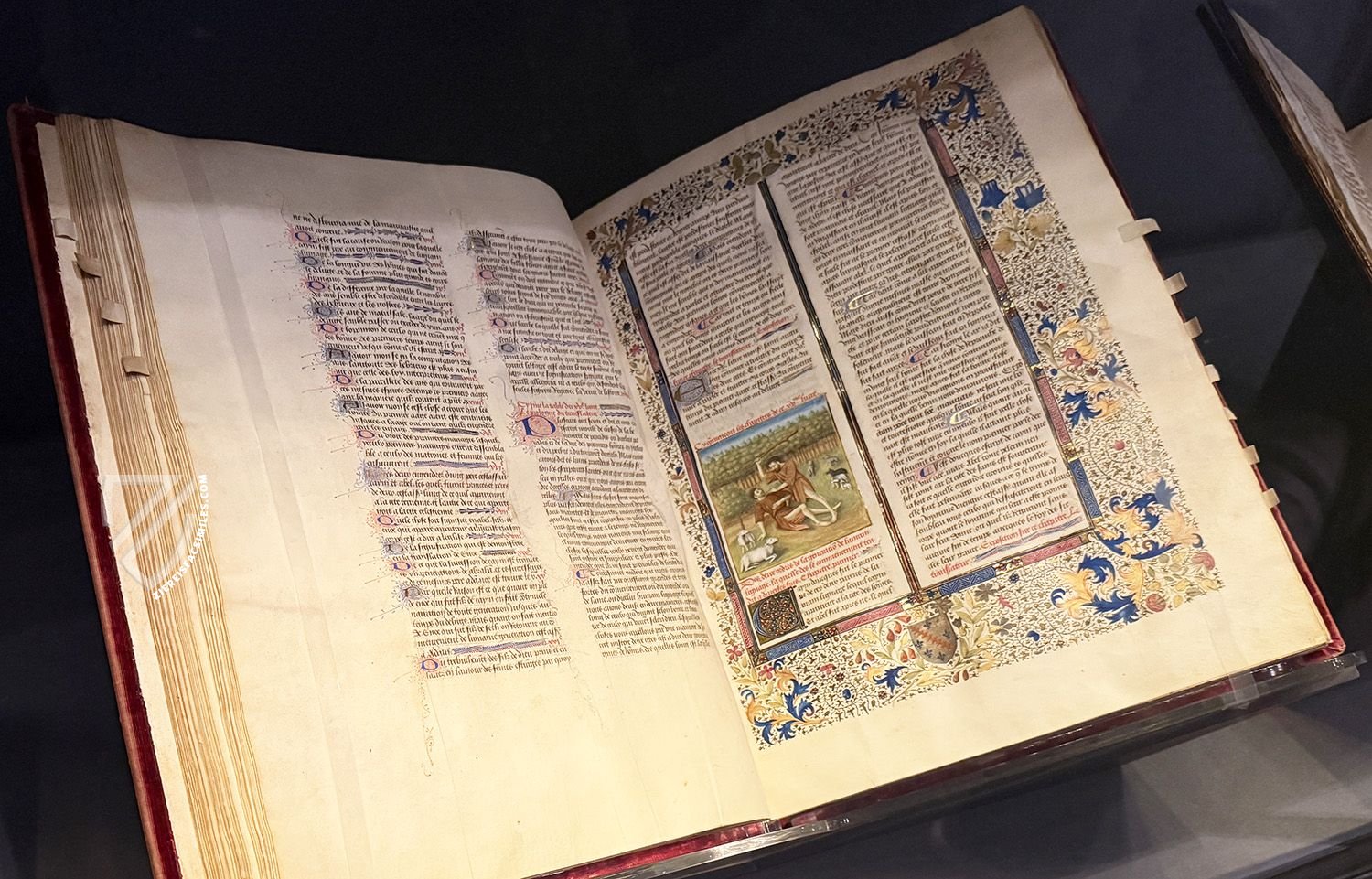
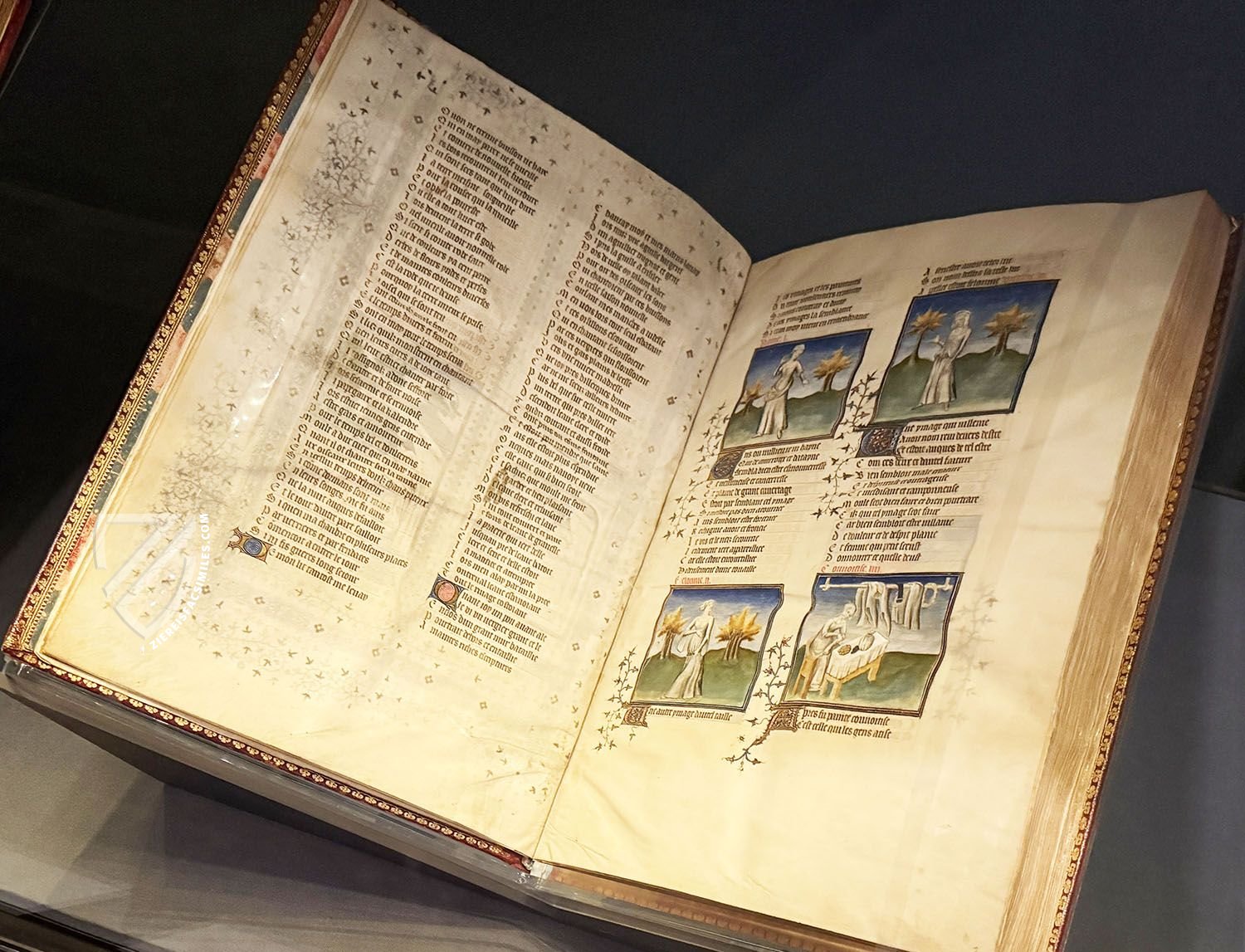
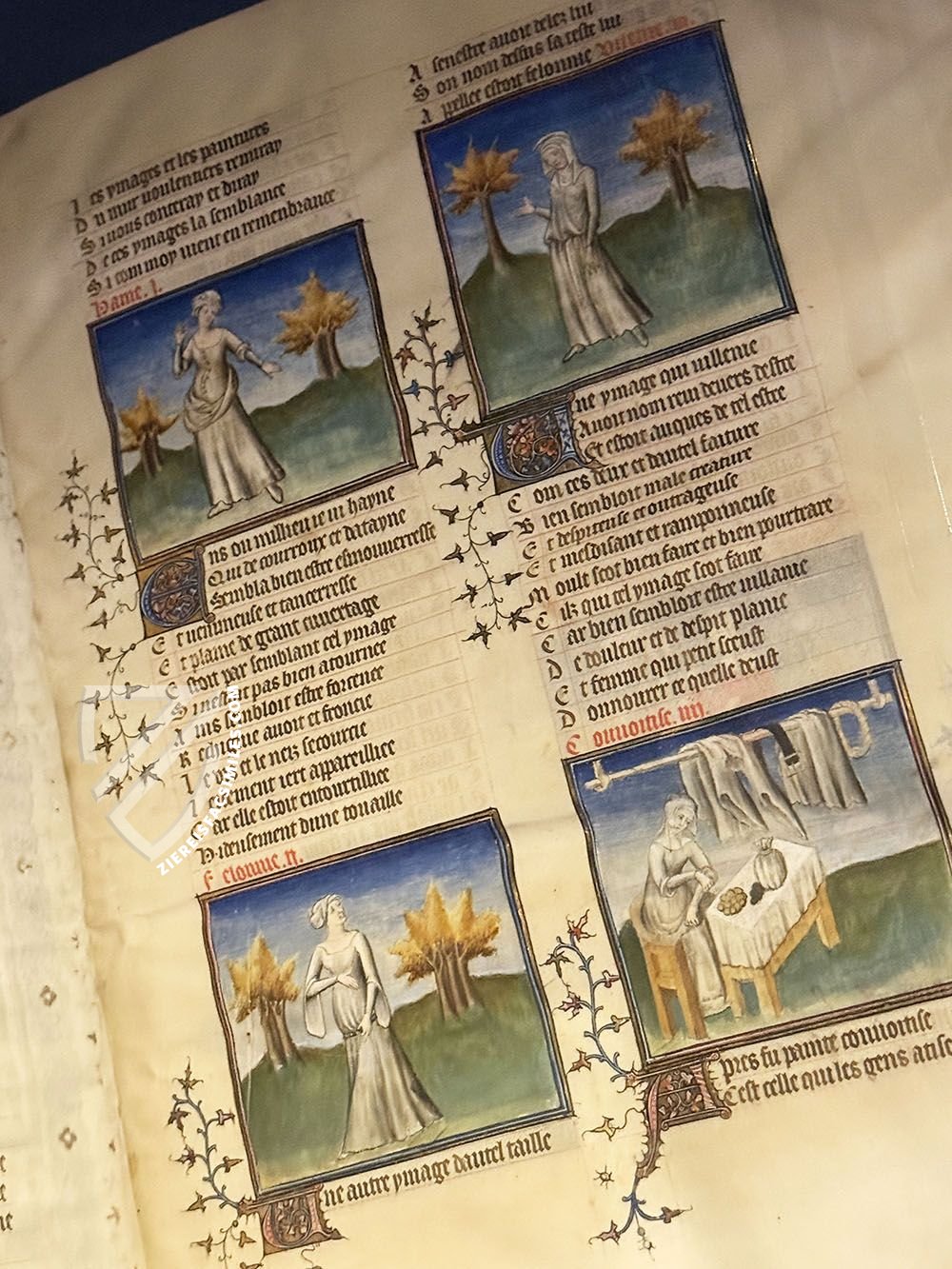
Further dramatic images of the end times appeared in a richly illuminated, late-medieval manuscript depicting the life of Christ. Miniatures of the Fall of the Rebel Angels, Cain’s murder of his brother Abel, and female personifications of hatred, evil, vileness, and greed explored the themes of the chosen “evil” and the concept of sin.
The exhibition therefore offered a captivating glimpse into some of the precious gems of the Getty Museum’s significant manuscript collection, presented alongside the stunning paintings by Harmonia Rosales—making for a truly special artistic experience. But the Getty is also well worth a visit at any time for its wide range of offerings, which you shouldn’t miss during your next stay in LA!
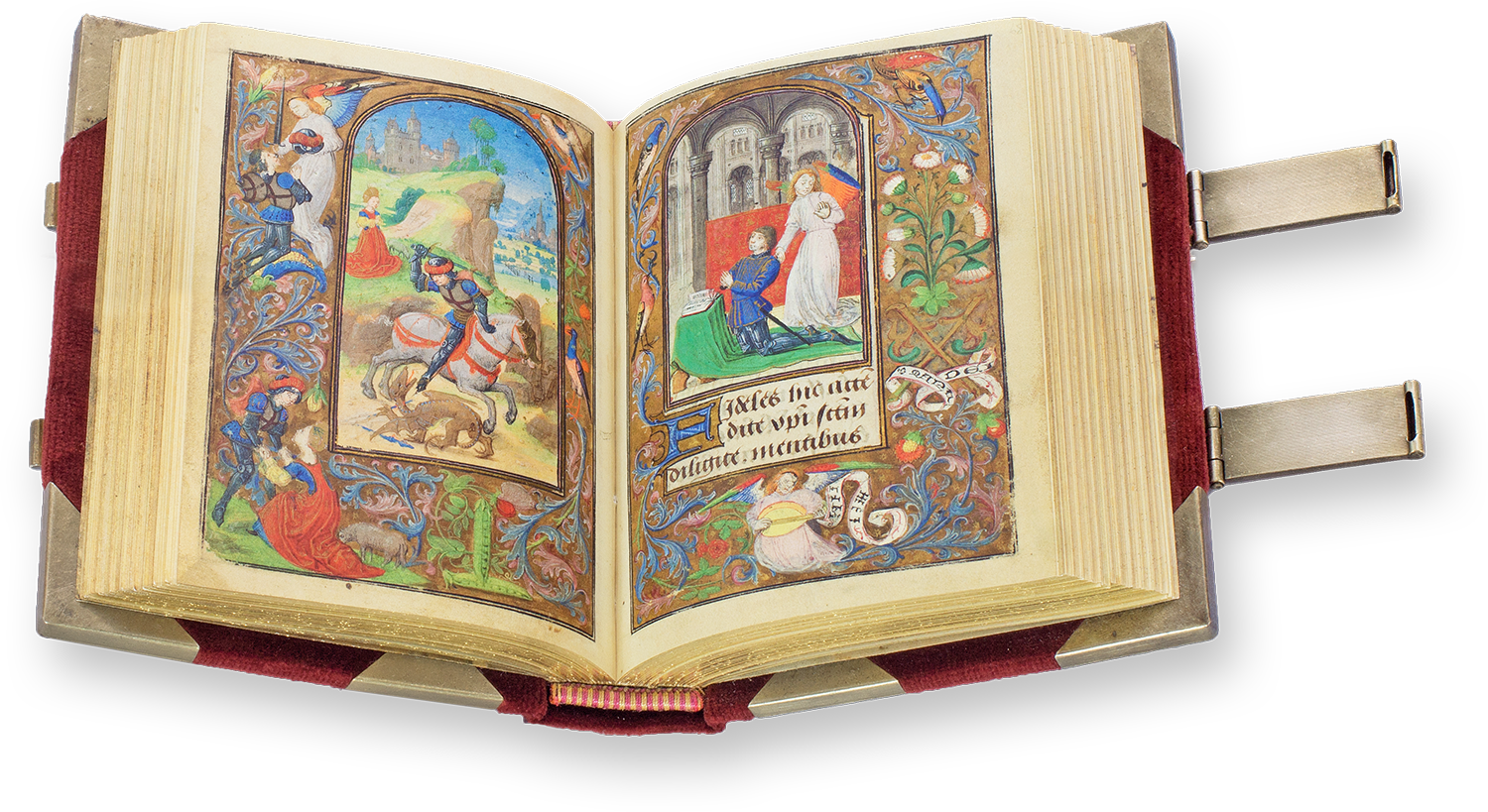
More Manuscripts from the Getty Museum Available as Facsimiles
To the facsimile
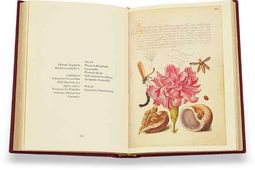
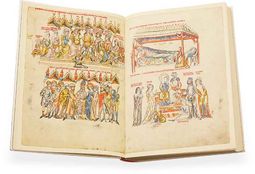
To the facsimile
To the facsimile
To the facsimile
To the facsimile