Now Online: Our Big Spring Catalog 2026 with 75 Selected Facsimiles on Offer!
Discover great masterpieces and little gems of book art, as well as unique historical documents in this year’s Spring Catalog! In it, we have carefully compiled 75 selected facsimiles for you.
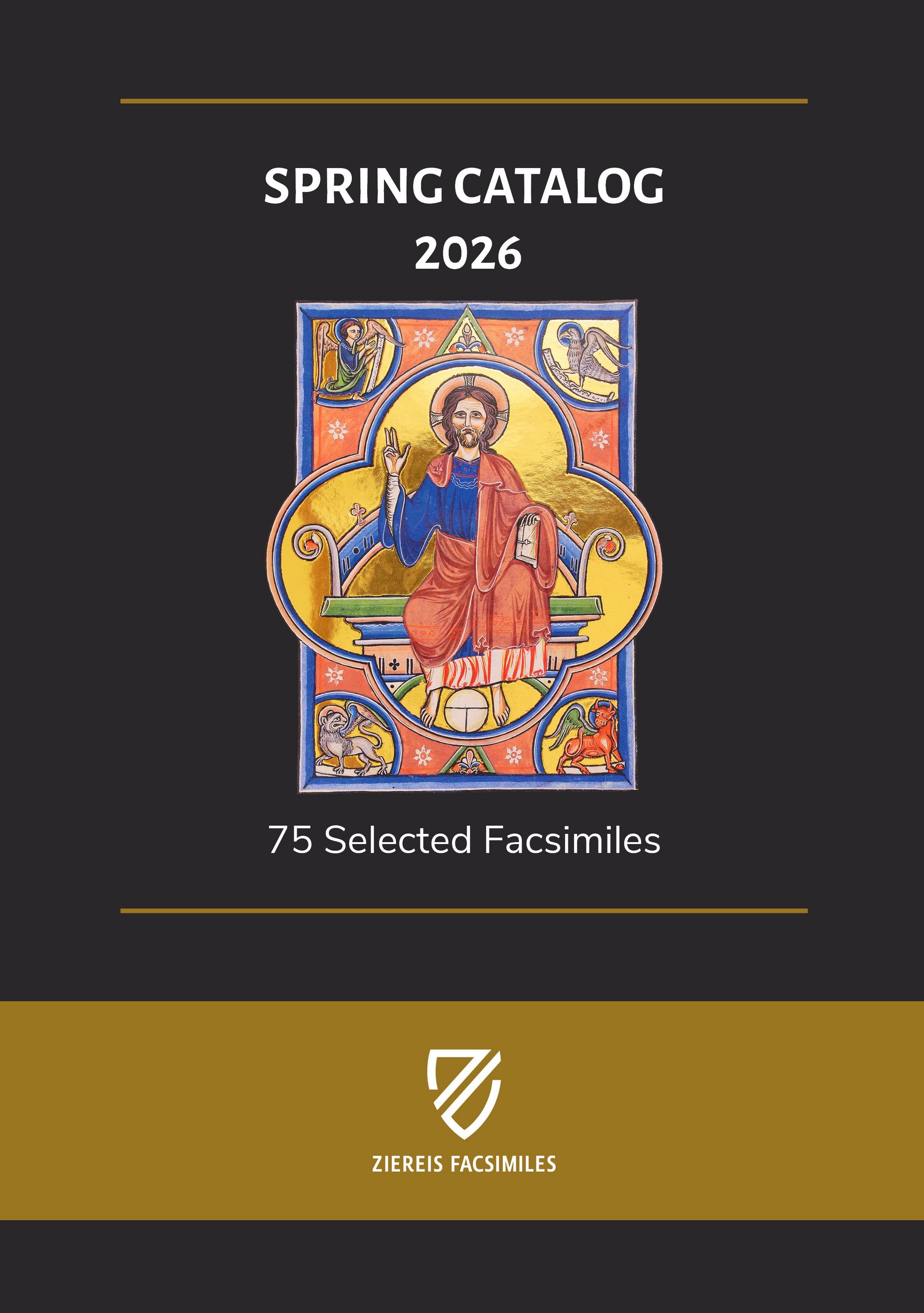
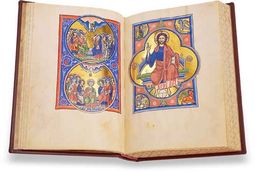
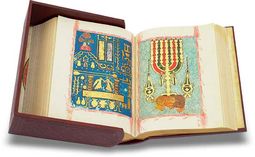
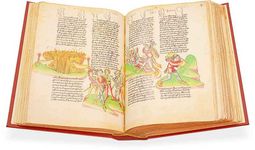
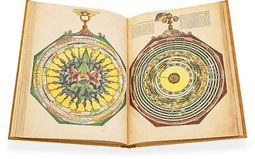
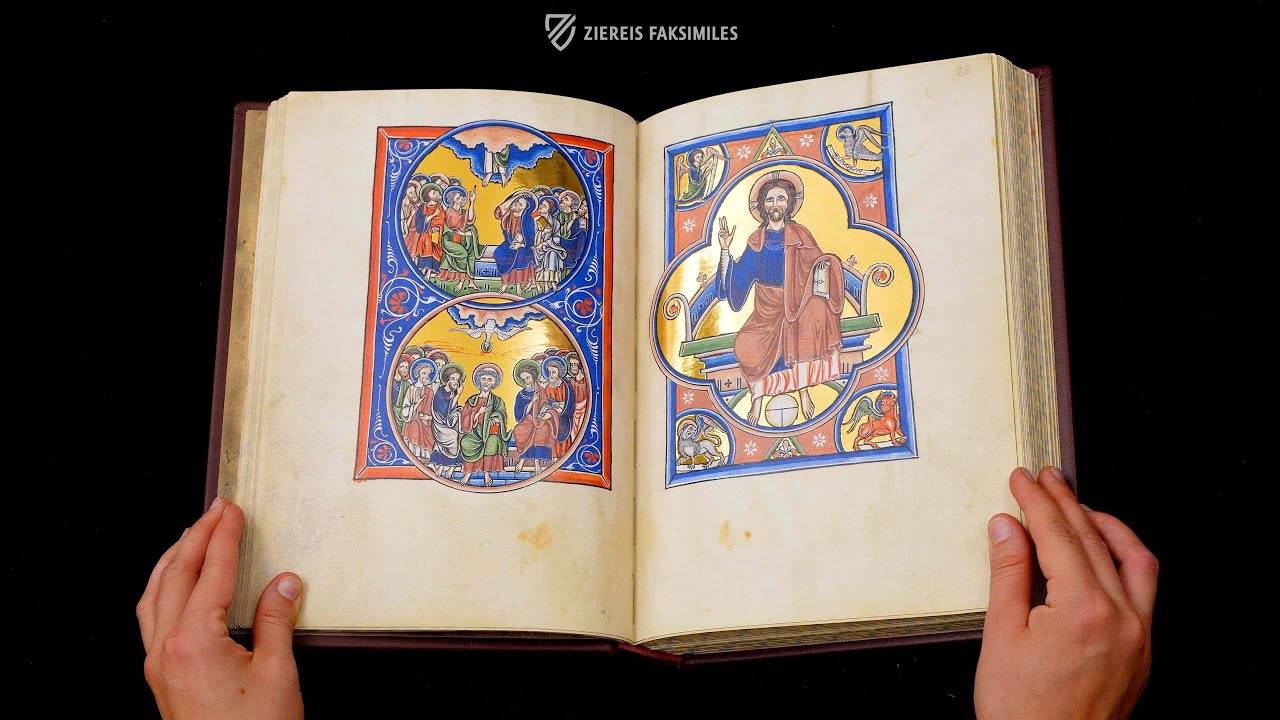
In our Spring Catalog 2026, you’ll find facsimiles of book treasures from nearly every era and genre of the Middle Ages and the early modern period. Among the most outstanding highlights are lavishly illuminated gems such as the Psalter of Blanche of Castile, the famous Kennicott Bible, and the Vorau Picture Bible, presented as a deluxe edition in a single volume. The Ramsey Psalter and the Astronomicum Caesareum are undoubtedly among the special rarities.
Experience more
You can also discover significant early medieval manuscripts, such as the magnificent Carolingian Bible of Moutier-Grandval and the impressively illuminated Joshua Roll—a unique gem of the Macedonian Renaissance in Byzantium. Or admire the book art of the Ottonian period, shimmering in gold and purple, including the famous Codex Aureus of Echternach and the Sacramentary of Warmund.
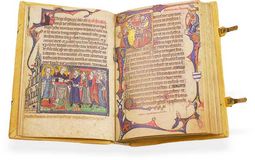
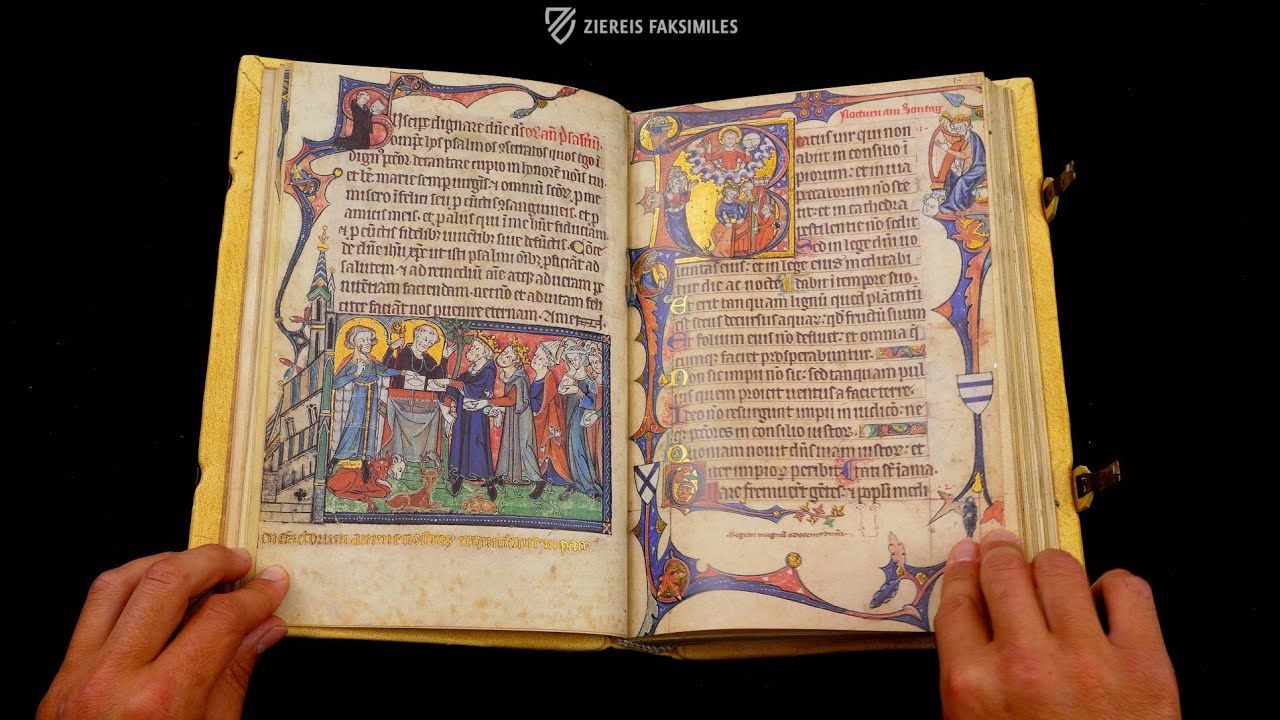
Romanesque book illumination is represented by precious manuscripts such as the richly illuminated Matutinal Book from Scheyern and the Mainz Gospels, written entirely in gold ink. The elegant artistry of the Gothic period can be admired in beautiful codices such as the resplendent Peterborough Psalter in Brussels and the impressive Wenceslas Bible, as well as in breathtaking works by the great masters of the time, including the Willelm Vrelant Book of Hours and the Liber Horarum by Gerard David.
Moreover, magnificent masterpieces such as the imaginative Book of Drolleries - The Croy Hours, the artful Vatican Aratea, the astonishingly richly illuminated Codex Choumach (Picture Pentateuch of Moses dal Castellazzo), and Leonardo da Vinci’s Codex on the Flight of Birds bring the high art of the Renaissance to life. Discover, too, precious treasures of historical book printing, such as Matthäus Merian’s influential Bible from 1630 and Emperor Maximilian I’s Theuerdank, featuring 118 masterful woodcuts.
Experience more