Now Online: Our Big Christmas Catalog 2026 with 75 Selected Facsimiles on Offer!
In keeping with the holiday season, we would like to present this year's Christmas Catalog with 75 selected facsimiles, which we have carefully compiled for you. Discover great masterpieces and small gems of book art, as well as unique historical artifacts!
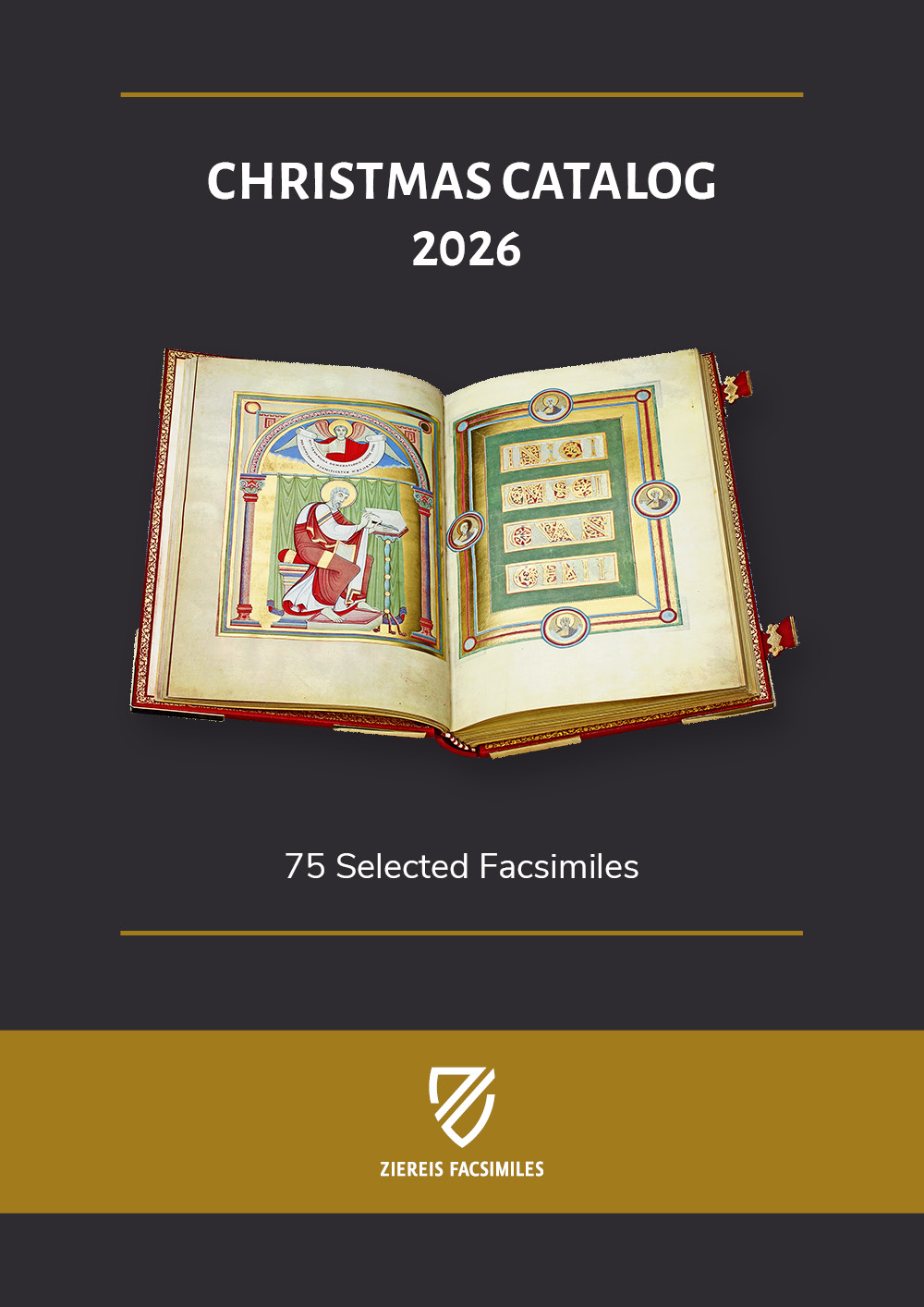
In our big Christmas Catalog 2026, you will find book treasures from almost every era and genre of the Middle Ages and the modern era. Among the most outstanding highlights are the deluxe edition of the dazzling Codex Aureus Escorialensis, a major work of Ottonian book illumination, the unique Bamberg Psalter with a replica of the original horn plate binding, and the “Queen of Bible Texts” in the famous Codex Etchmiadzin, presented as a deluxe edition with a reproduction of the late-antique ivory binding of the original manuscript.
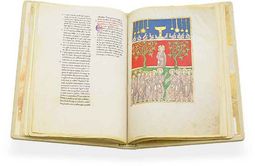
Furthermore, discover significant early medieval manuscripts such as the Carolingian Apocalypses from Trier and Valenciennes, the Great Domesday Book, and the Ottonian Codex Caesareus Upsaliensis, shimmering in gold and purple. Romanesque book illumination is represented by precious codices such as the late Beatus manuscript from San Pedro de Cardeña, the famous St. Alban’s Psalter, and the magnificent St. Peter Pericopes from St. Erentrud.

Experience more
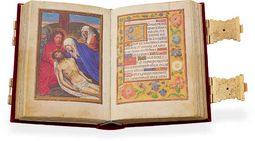
The elegant artistry of the Gothic period is evident in exquisite book gems such as the unique Gradual of Gisela von Kerssenbrock and the visually stunning Morgan Crusader's Bible, as well as in the pioneering Turin-Milan Hours, the artful Très Belles Heures de Notre-Dame, and the extraordinary Black Hours.
In addition, splendid masterpieces such as the precious Urbinate Manuscript of the Divine Comedy, Simon Bening's Flowers Book of Hours, and the breathtaking Prayers of Repentance by Albrecht Glockendon for John II of Palatinate-Simmern bring the high art of the Renaissance to life. Discover, as well, precious gems of historical book printing, such as the Mainz Psalter and Gutenberg's Bible, Matthew Merian's Bible of 1630, and the famous cityscapes by Franz Hogenberg and Georg Braun.

Experience more

Experience more

Experience more