
Albrecht Dürer – Small Xylographic Passion
Nuremberg (Germany) /Italy — 1511 / reprint from the beginning of the 17th century
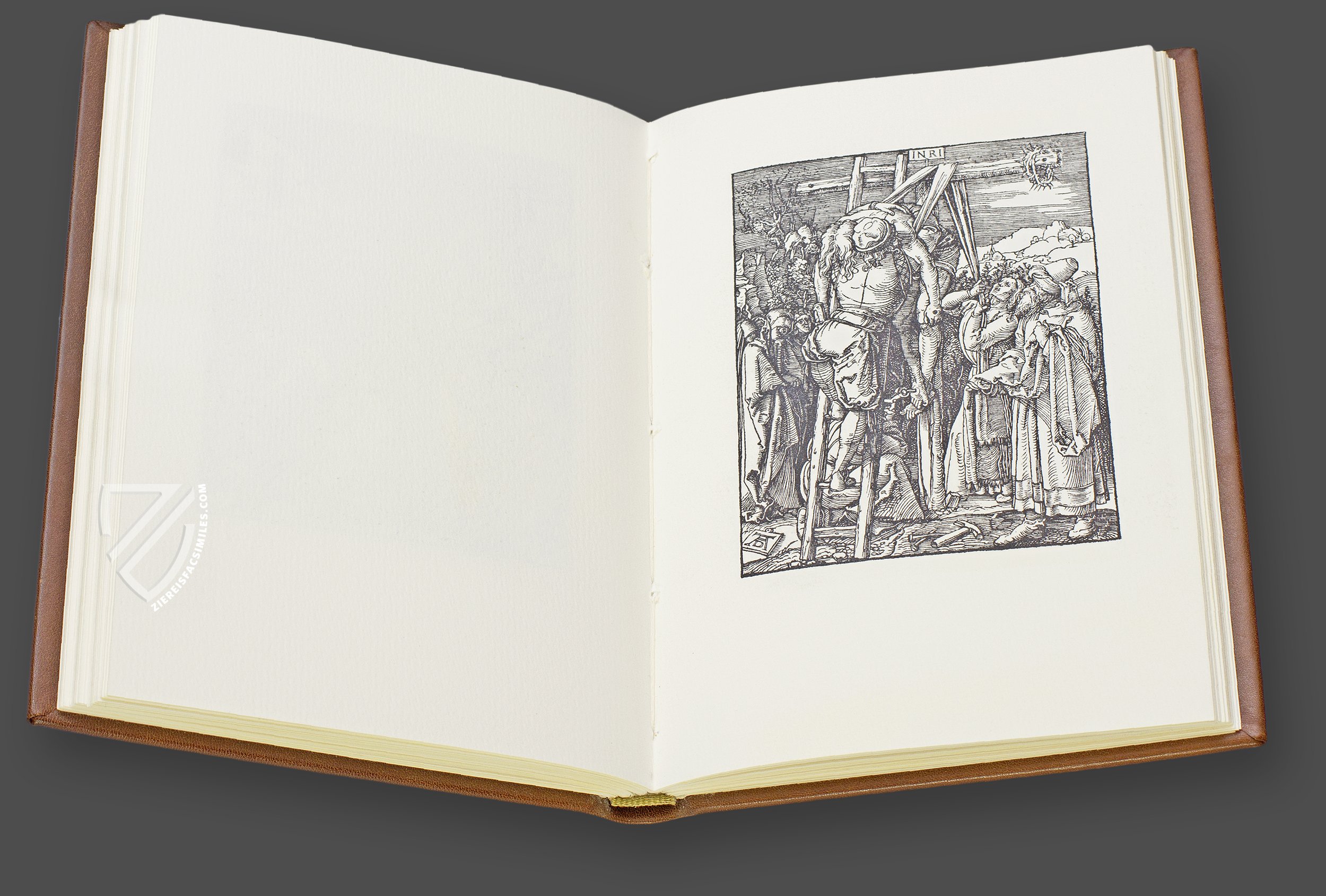
Featuring 36 masterful woodcuts by arguably the most influential artist of the German Renaissance: a bestseller of Passion literature in one of Dürer's most successful and profitable works
Published in 1511 by Albrecht Dürer (1471–1528), the greatest artist of the German Renaissance
A 16th century bestseller so popular, it had to be reprinted multiple times
The book’s 36 woodcuts inspired other works like the Golf Book of Hours by Simon Bening (c. 1483–1561)
Albrecht Dürer – Small Xylographic Passion

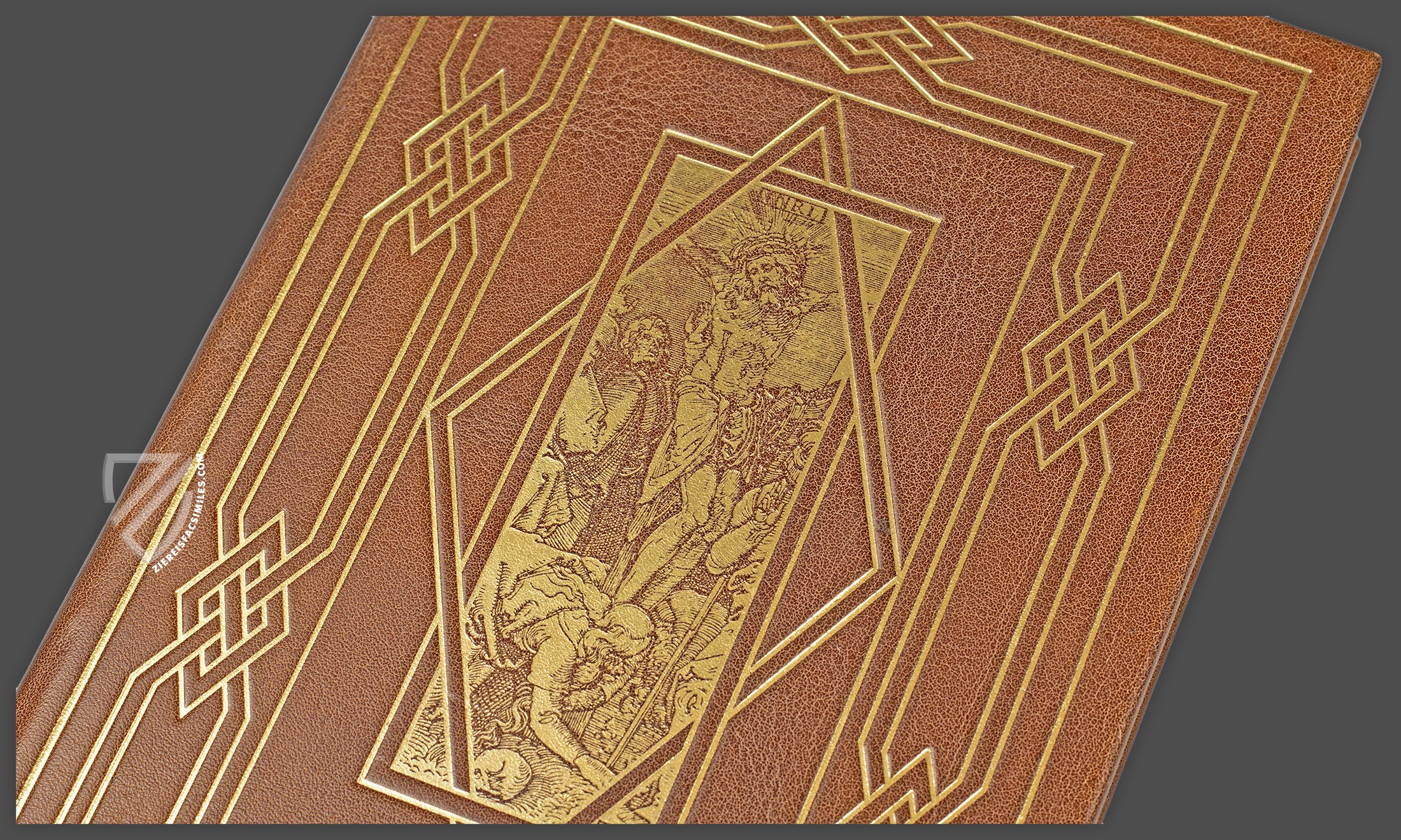
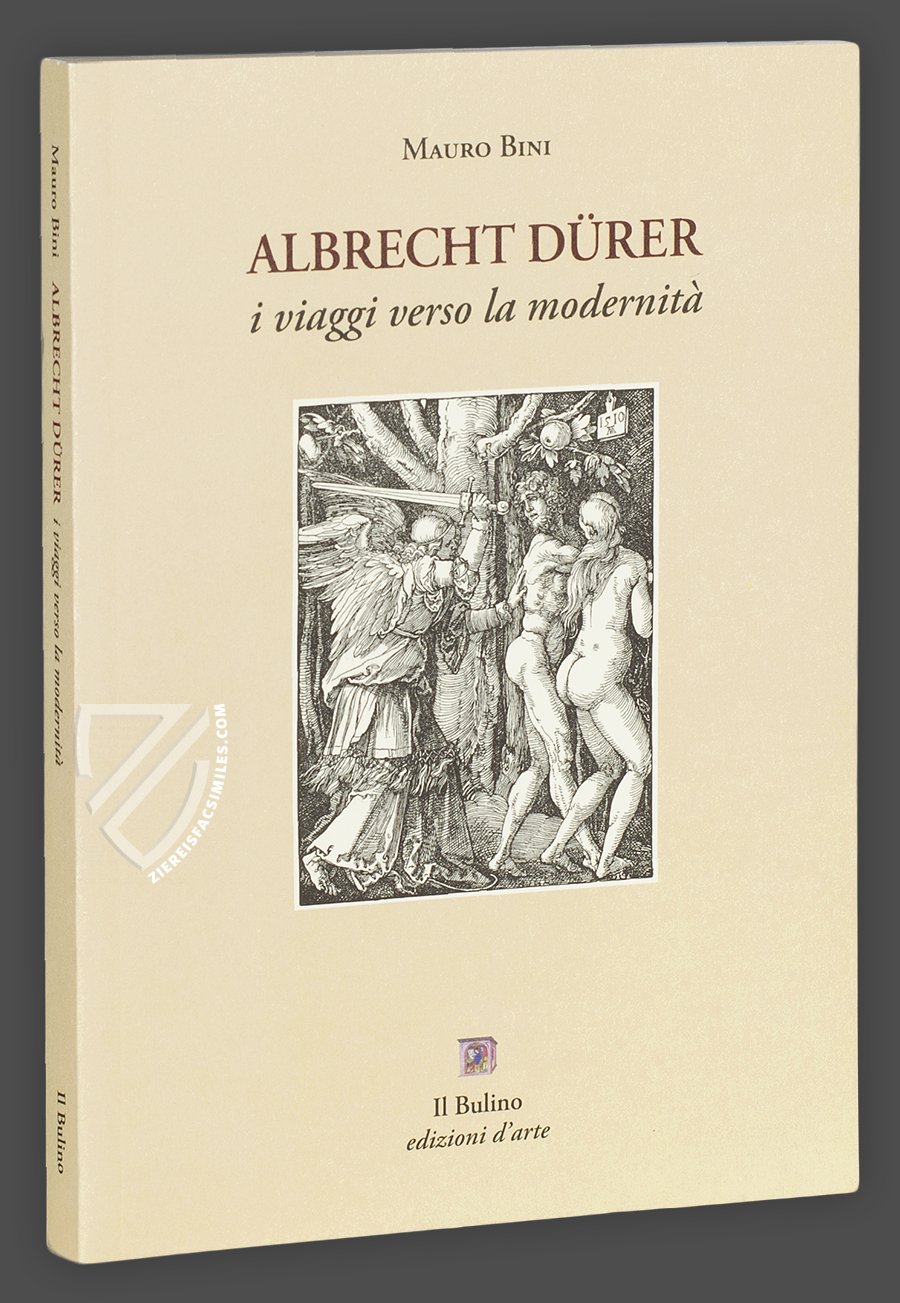
(1,000€ - 3,000€)
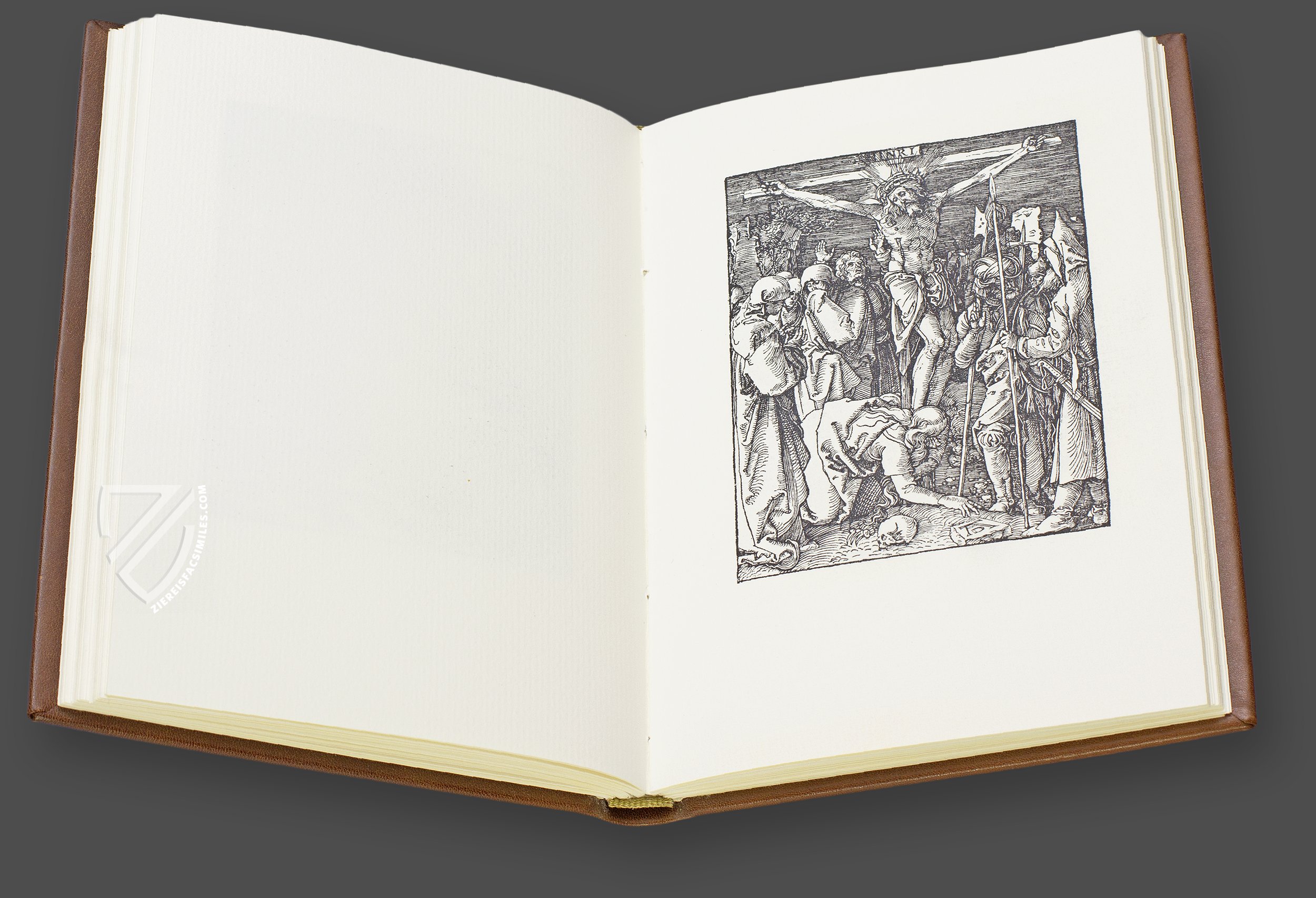
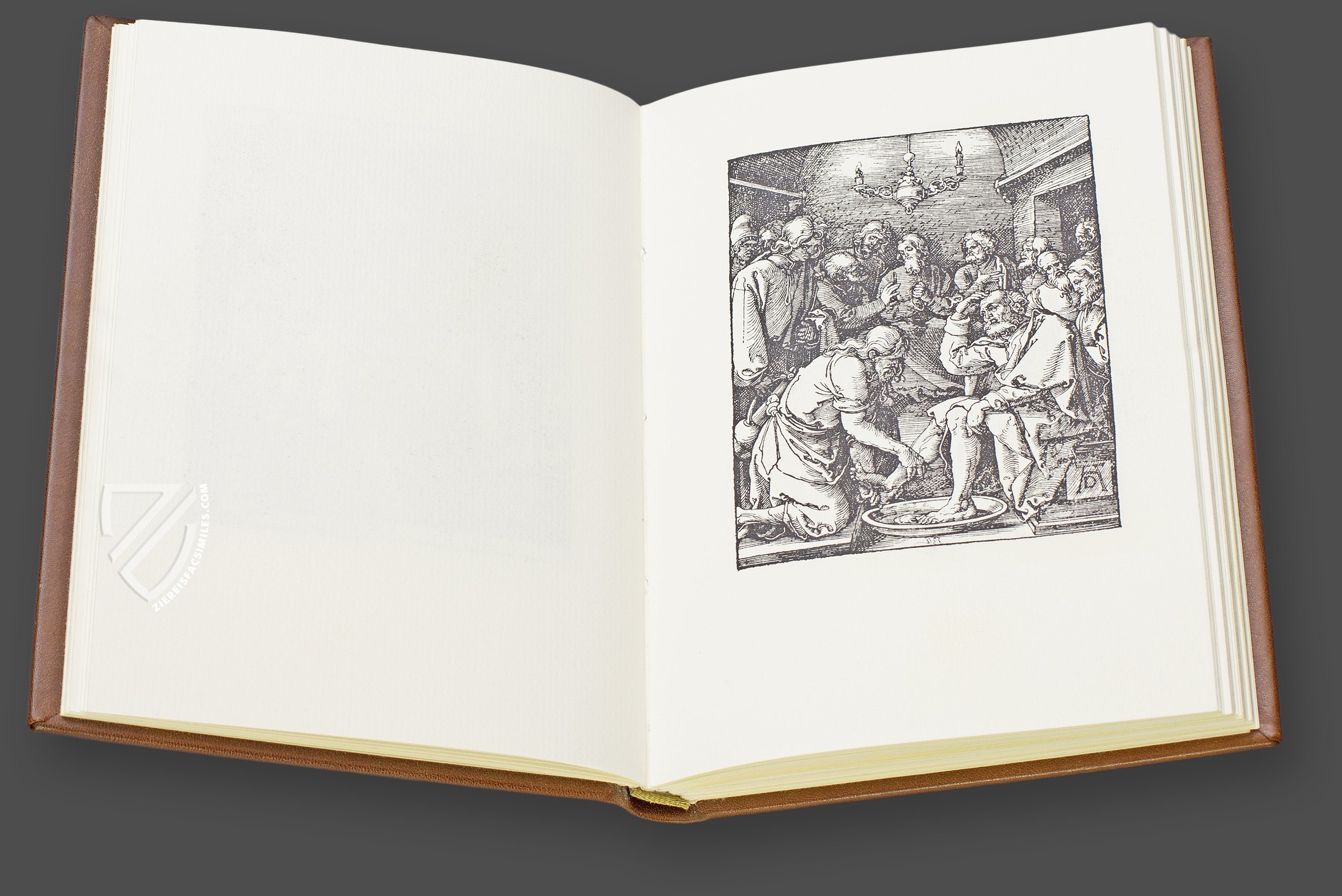
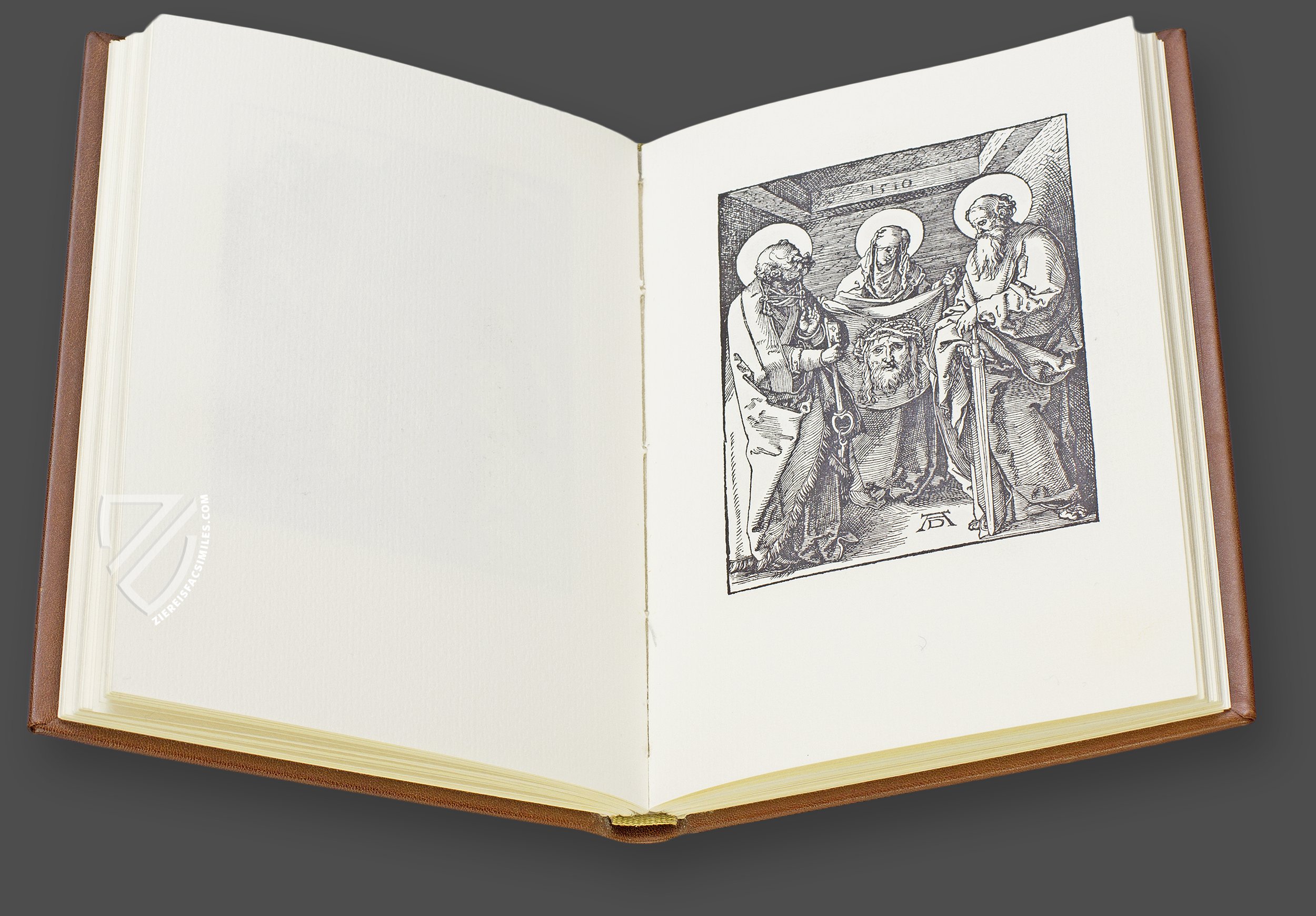
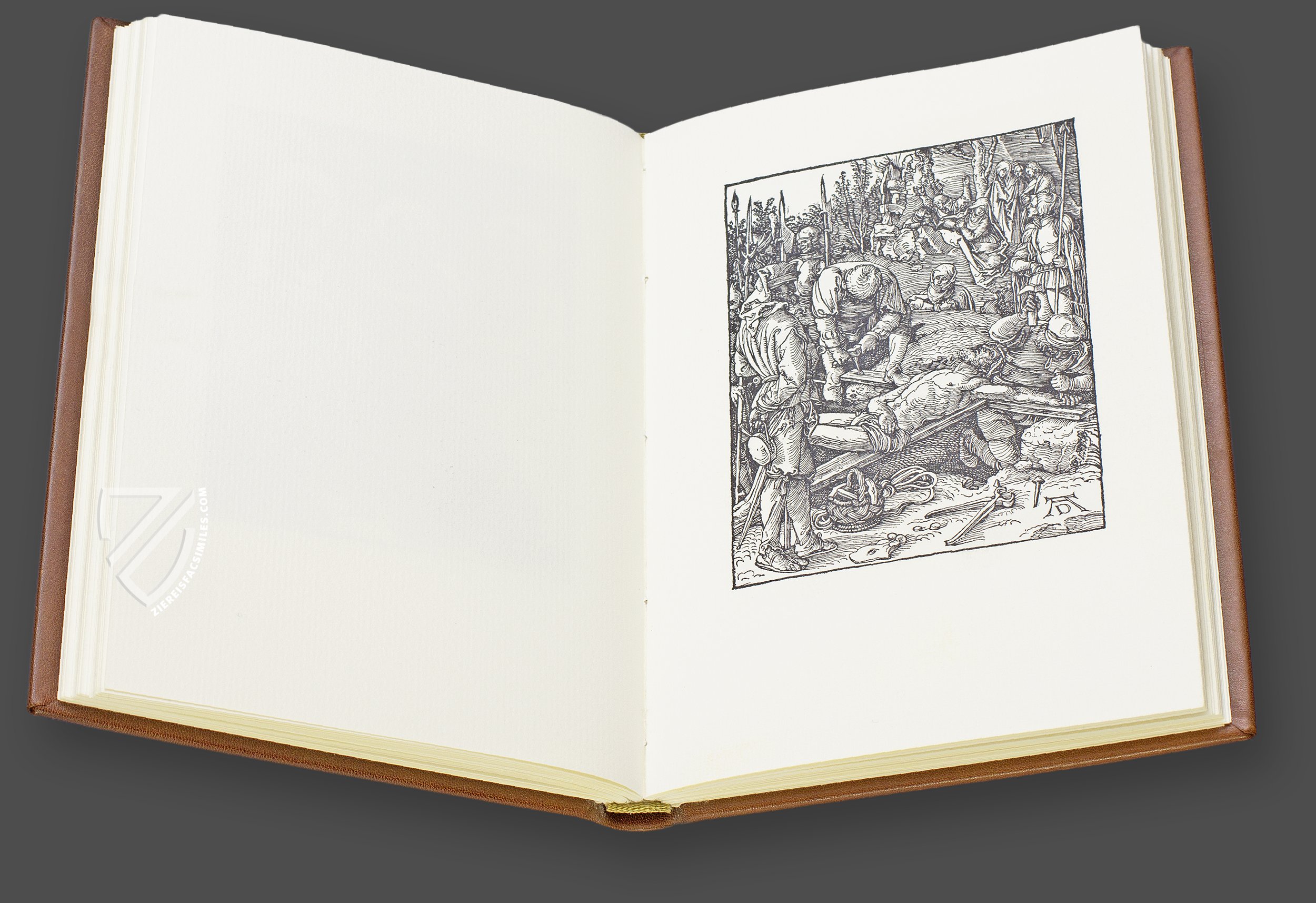
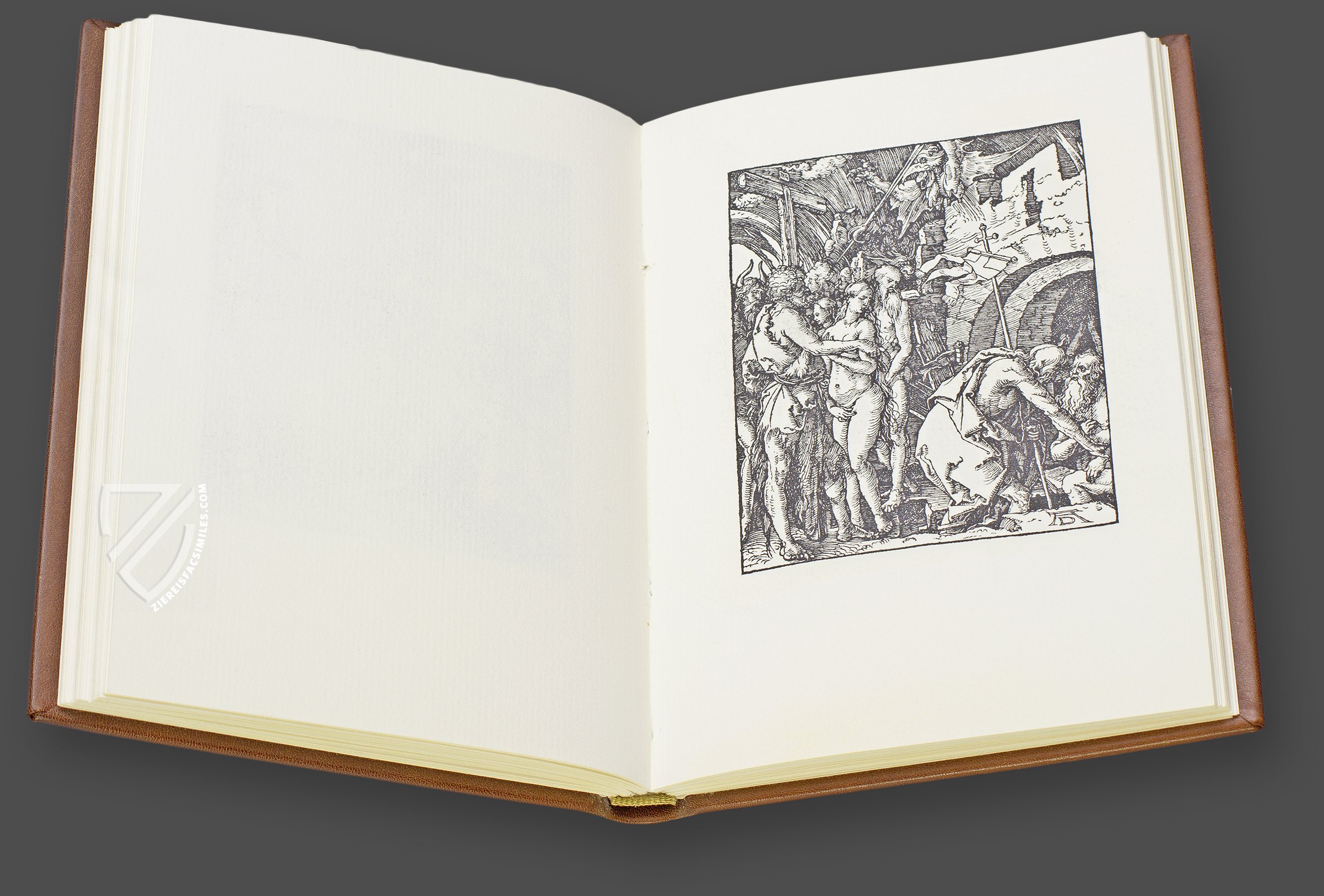
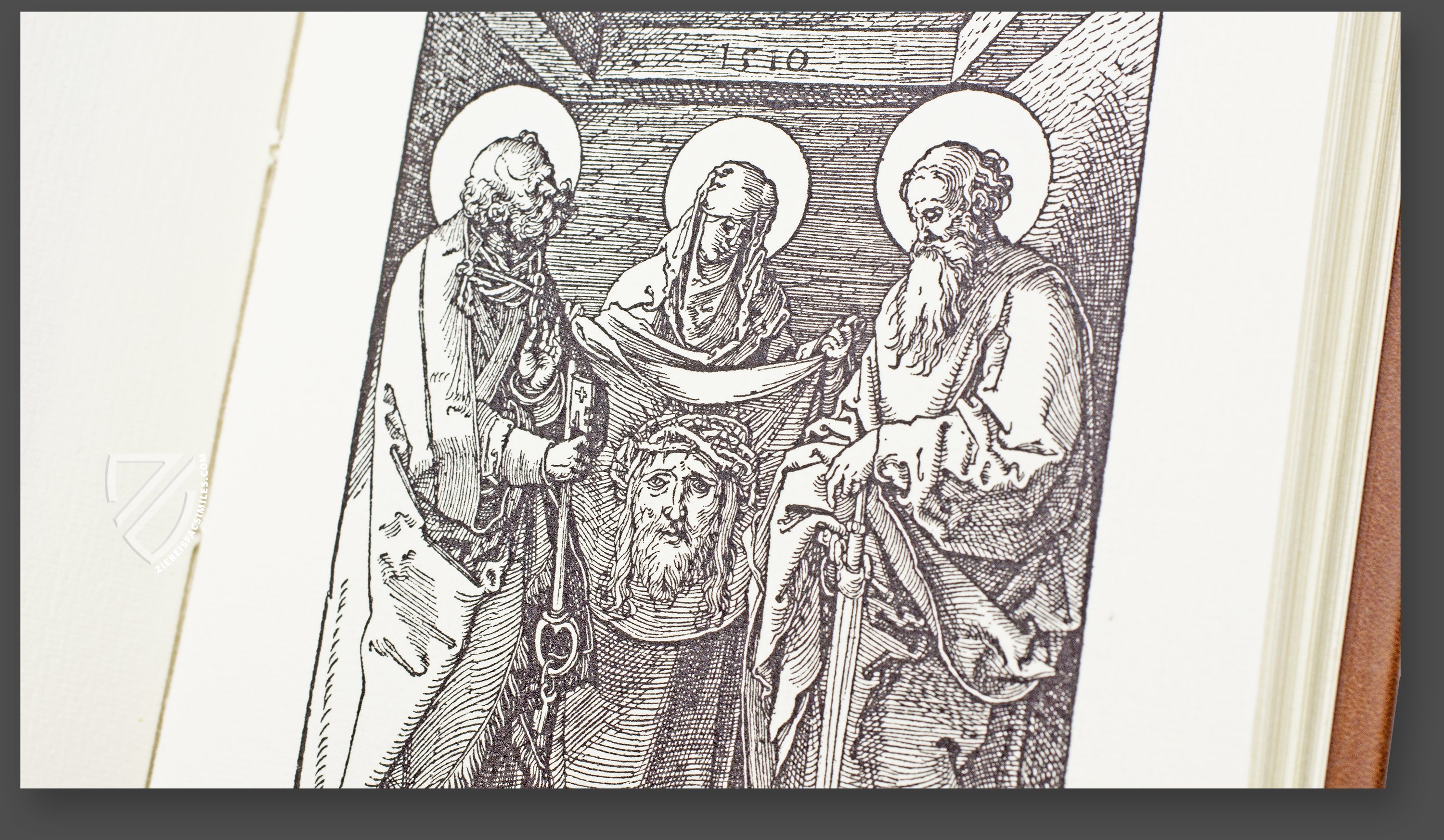
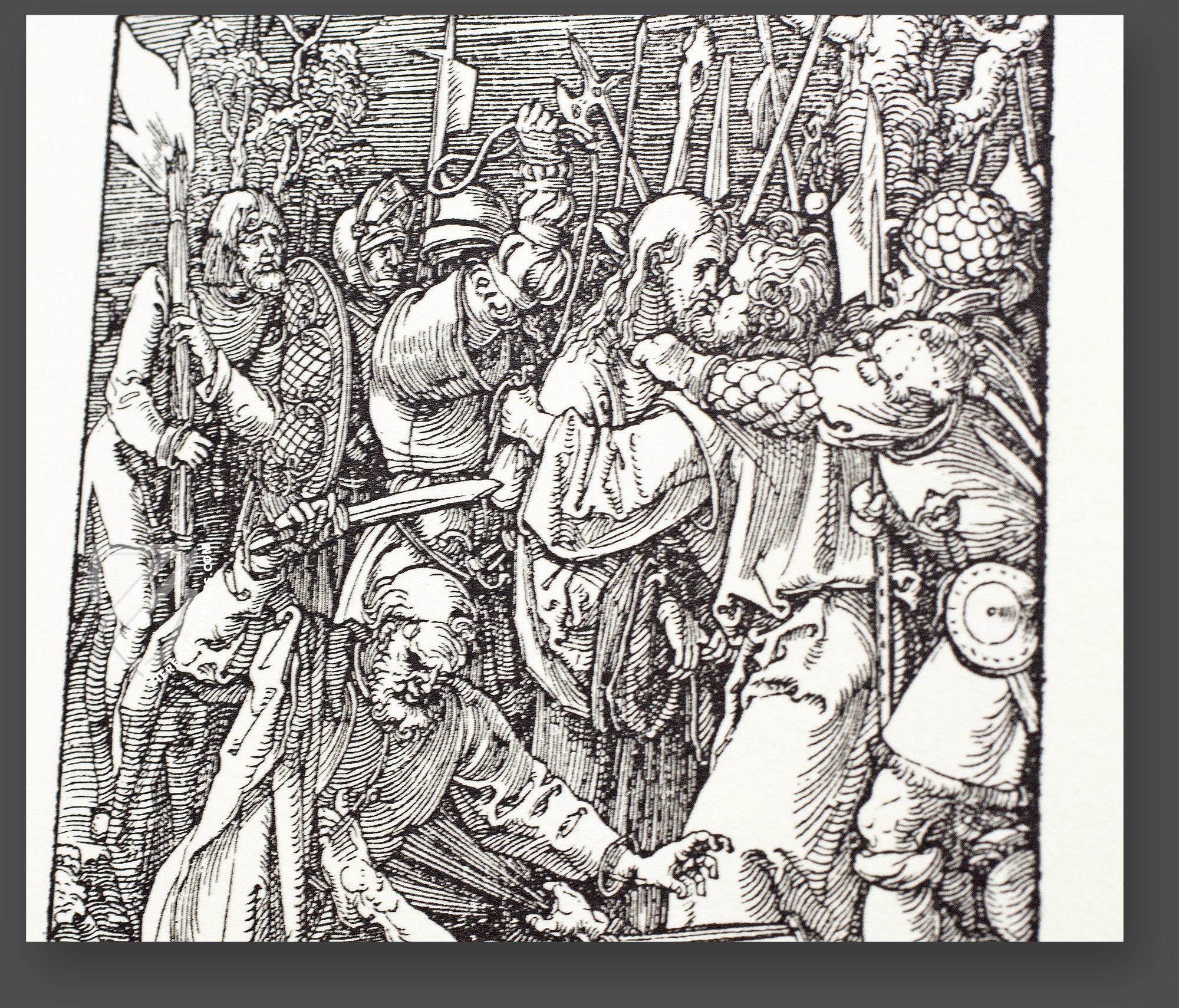
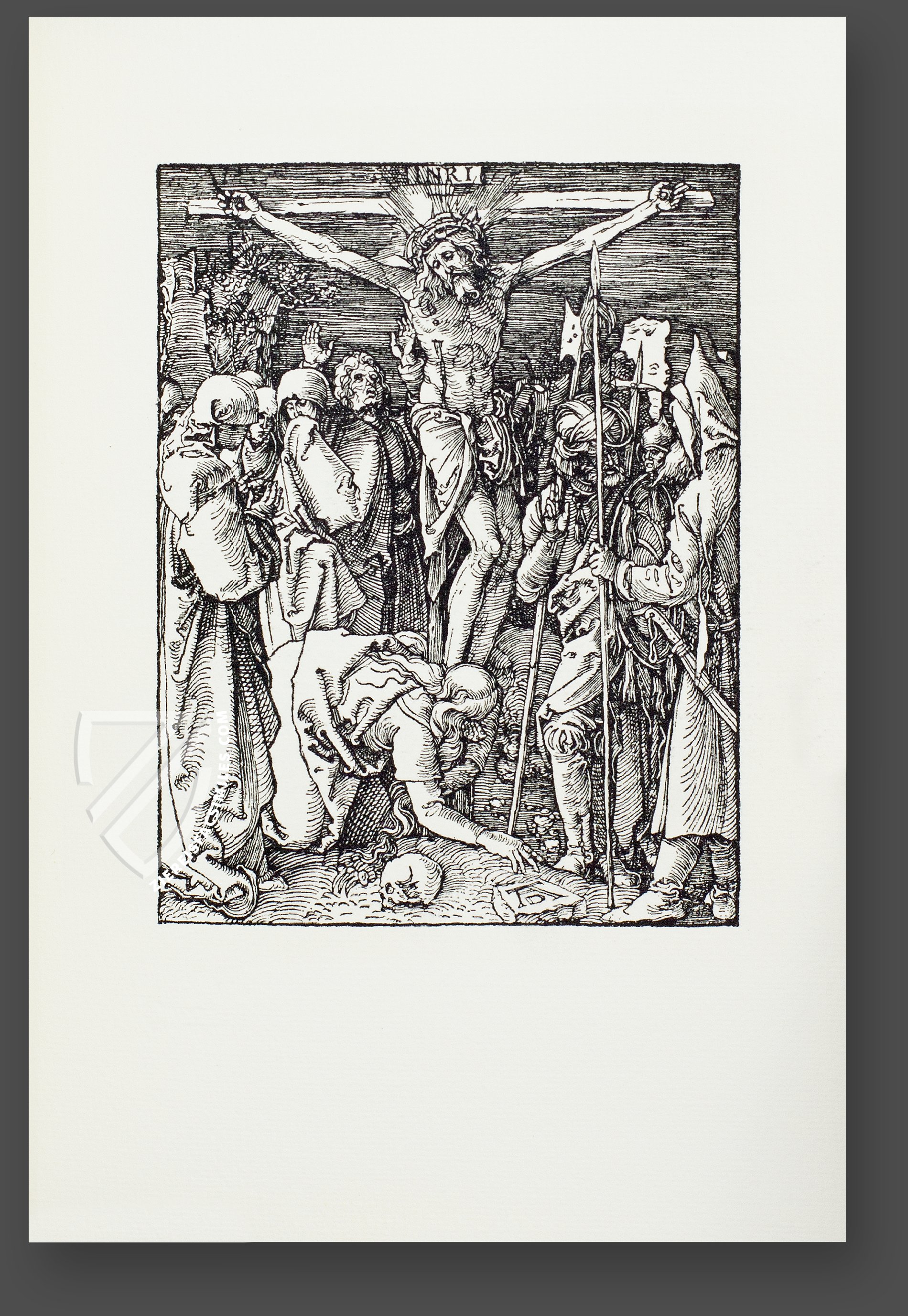
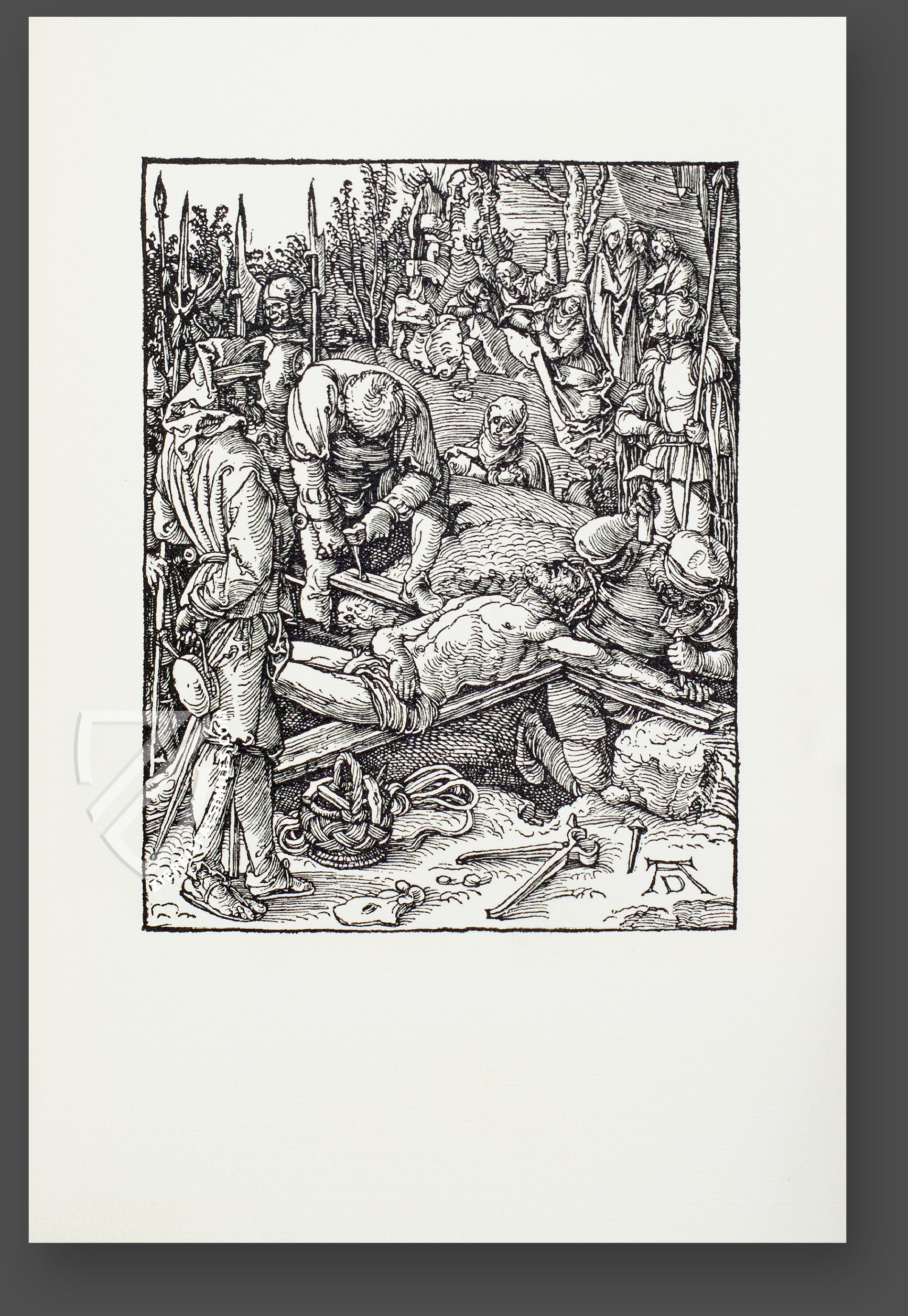
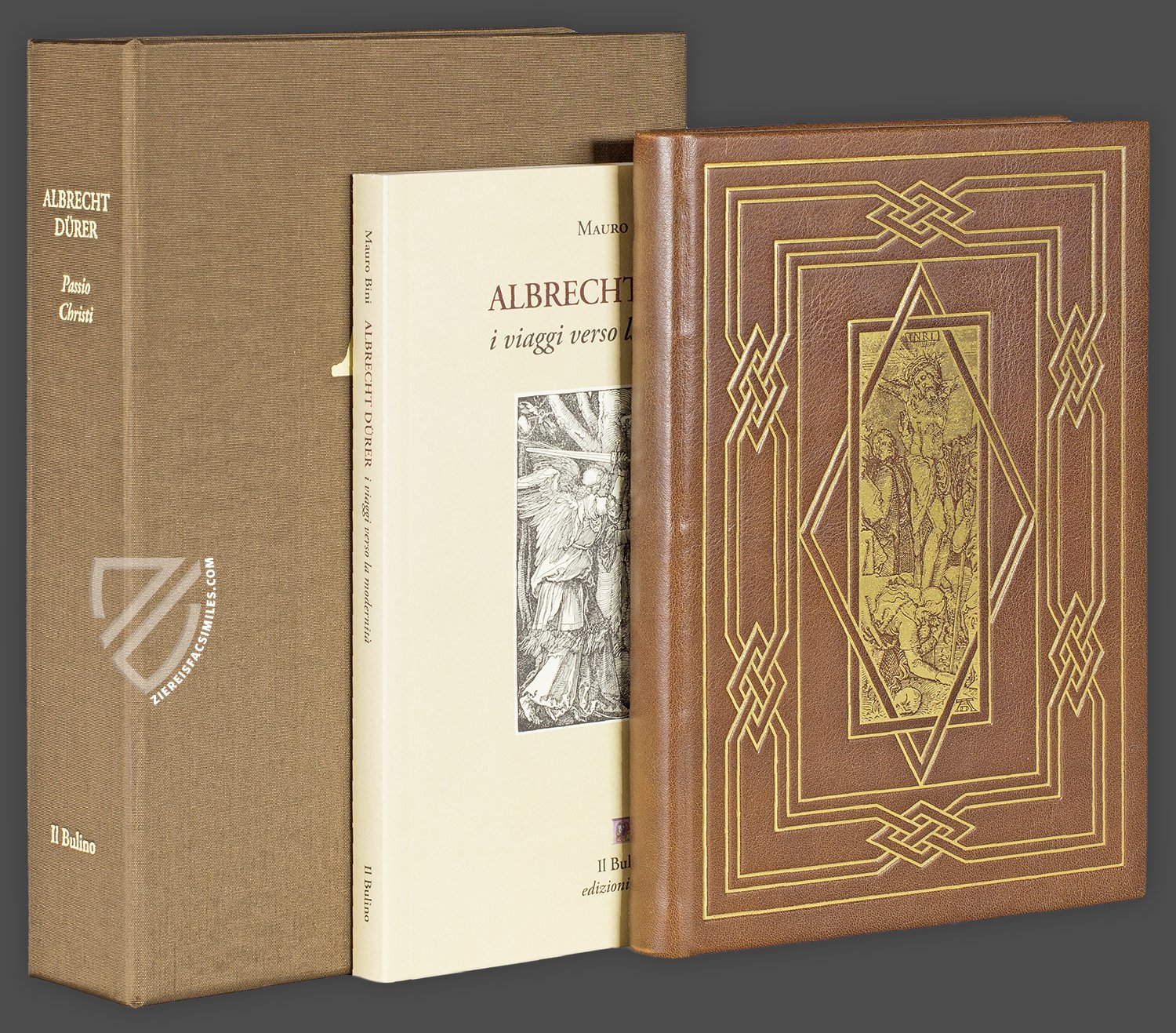
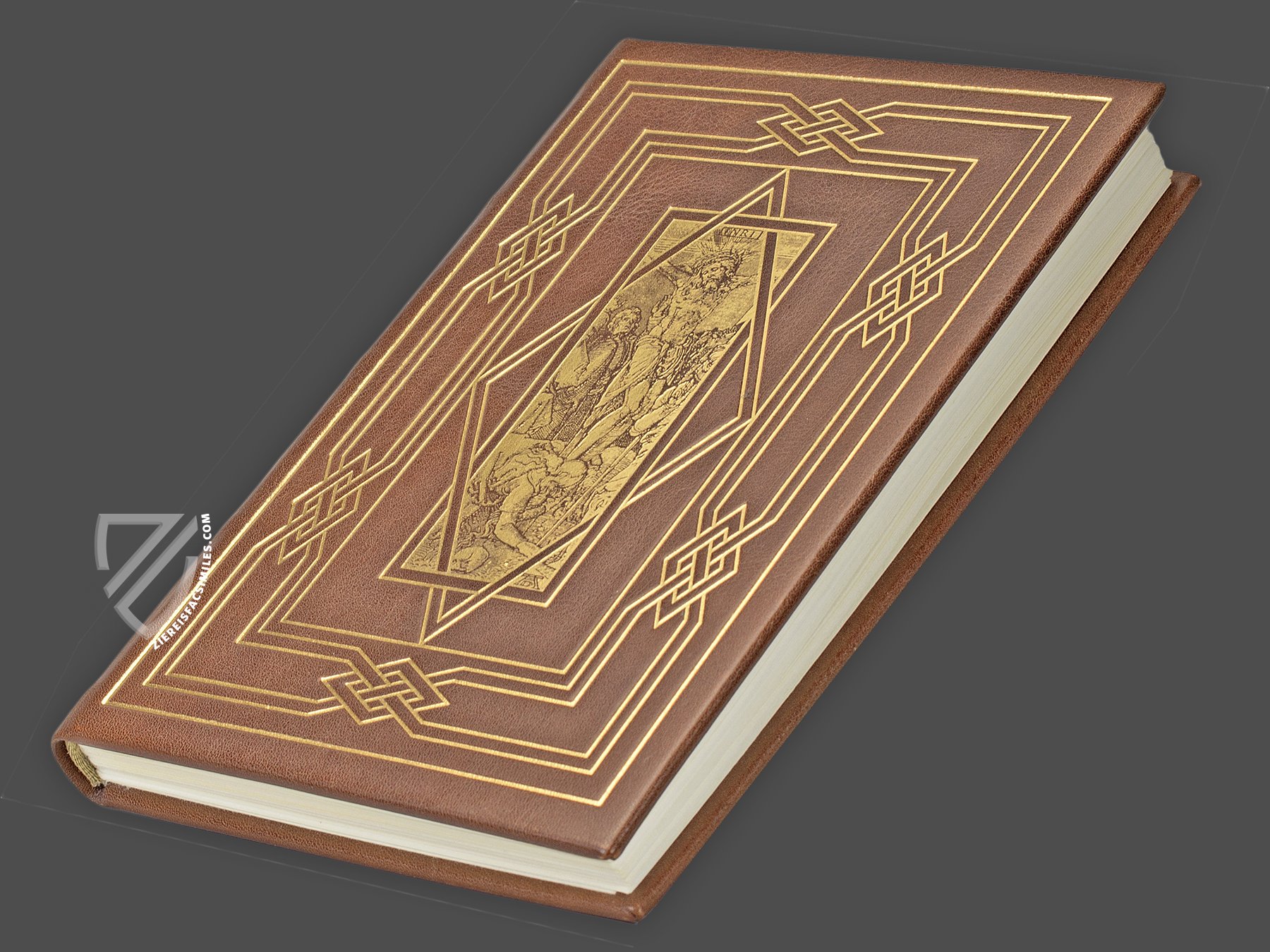
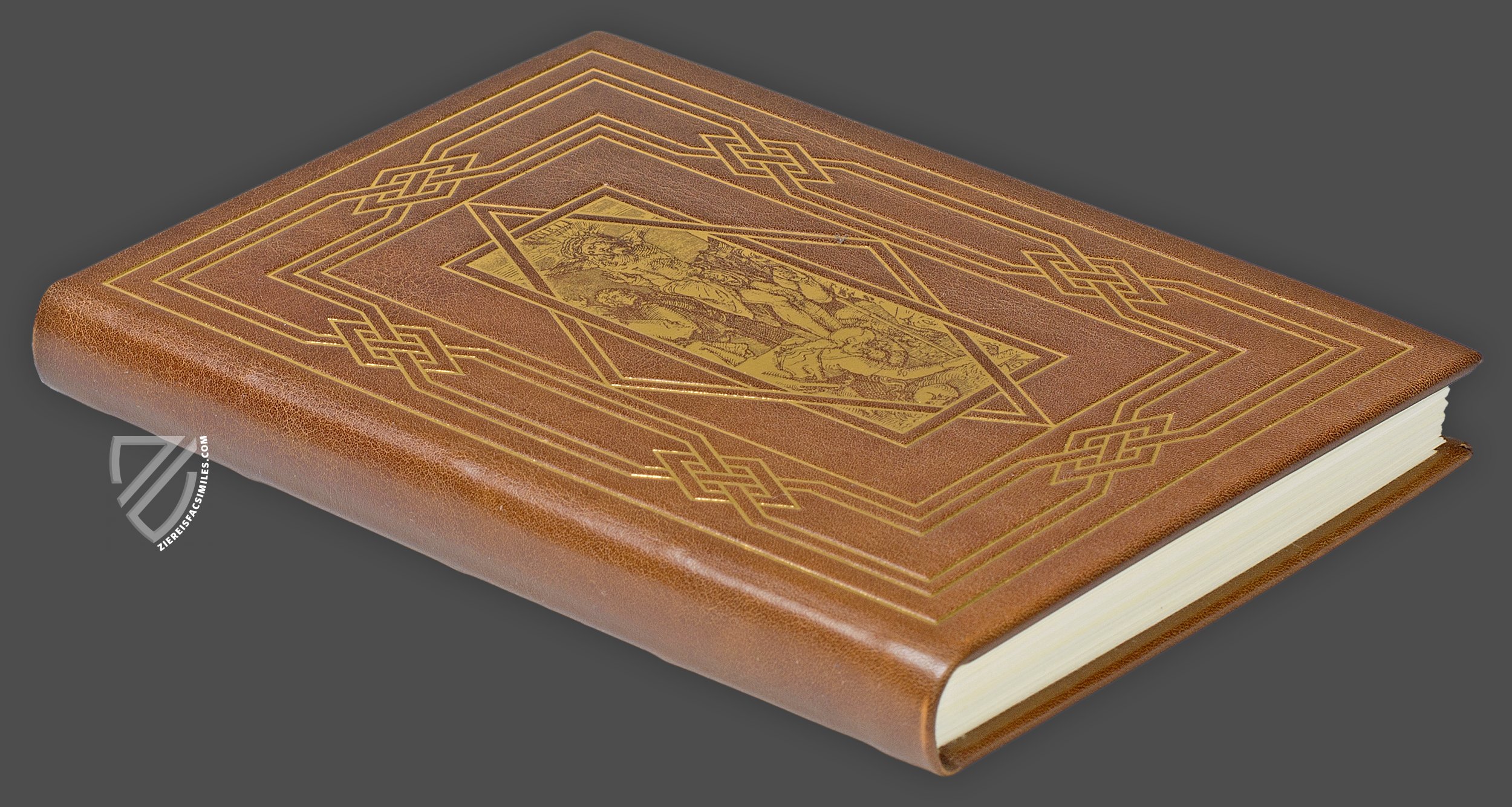
Aside from being a brilliant artist, Albrecht Dürer was also a shrewd businessman who realized he could earn more money from his woodcuts—which could be published for a wide audience—than from commissions for individual paintings. One of his greatest commercial successes was the so-called Small Passion, which he had printed by Hieronymous Höltzel in Nuremberg in 1511. This relatively small-format yet extensive series of images consists of 36 masterful woodcuts and a title page. With this popular work on the Passion of Christ, Dürer created a stunning testament to the devotional culture of the late Middle Ages and a significant work of art history. Numerous reprints from the 16th and 17th centuries attest to the work’s popularity at the time, and it has lost none of its fascination to this day.
Albrecht Dürer – Small Xylographic Passion
From 1505 to 1507, Albrecht Dürer (1471–1528) was undertaking a grand tour of Italy, gathering formative impressions for his own art in the Promised Land of the Renaissance. Once returned from Italy, he busied himself with religious subjects such as the life of Mary, the Passion of the Christ, and the Apocalypse. This gave rise, likely between 1509 and 1510, to the 37 full-page woodcuts, which Dürer finally published in 1511 in book form titled Kleine Passion in Nuremberg. This first edition was published with Latin verses by the Benedictine monk and humanist Benedictus Chelidonius (c. 1480–1521), which accompany the picture cycle on the Passion of Christ and served as the thematic basis for Dürer’s visual compositions.
The Passion of Christ in Brilliant Imagery
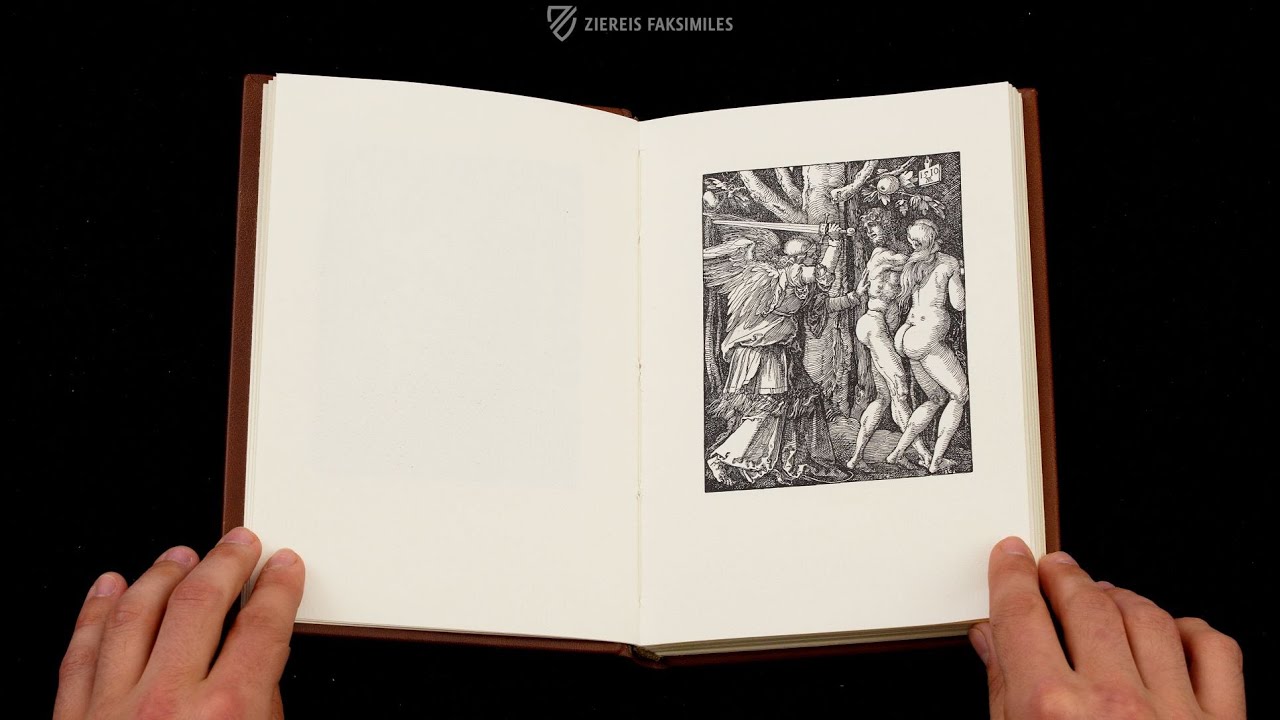
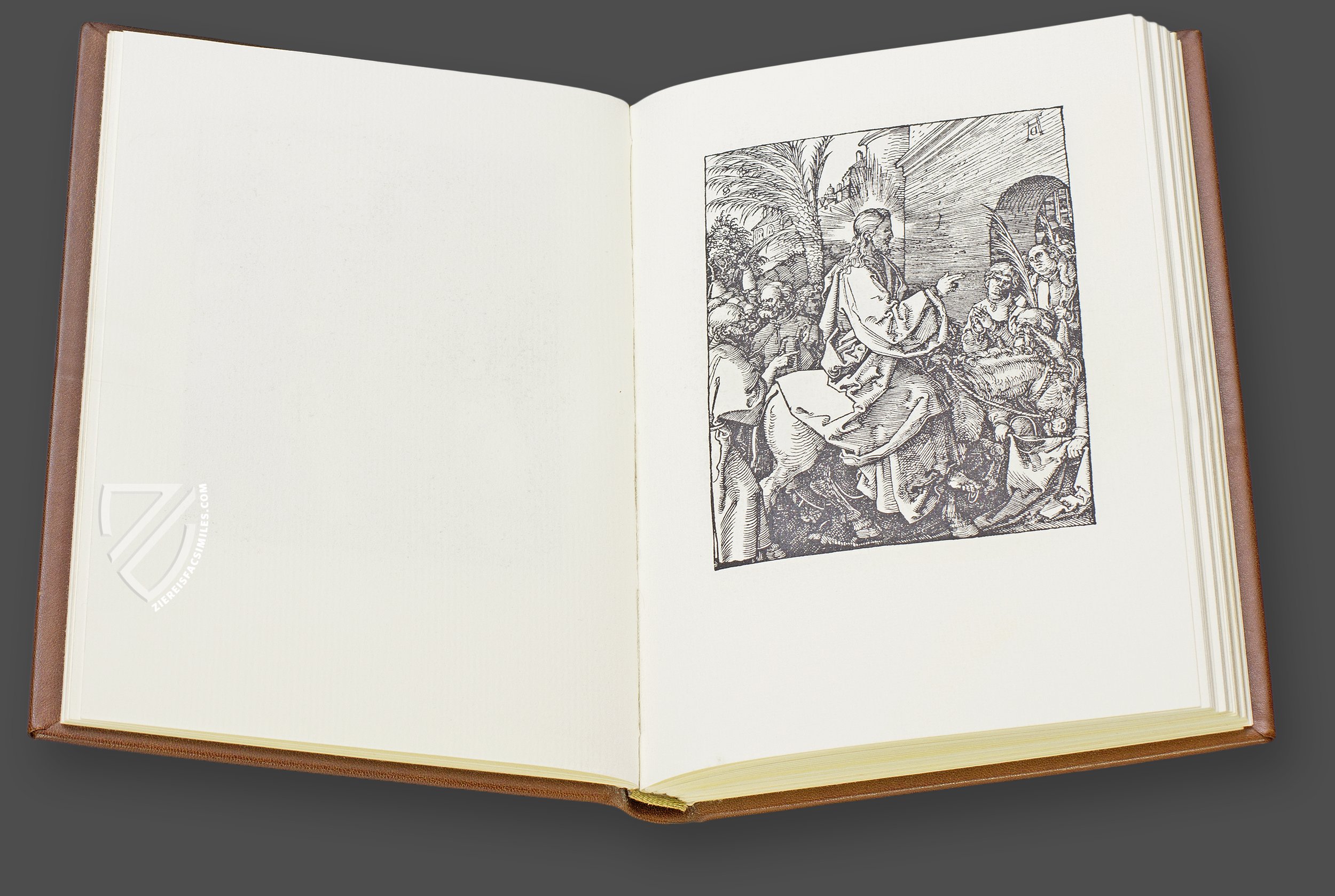
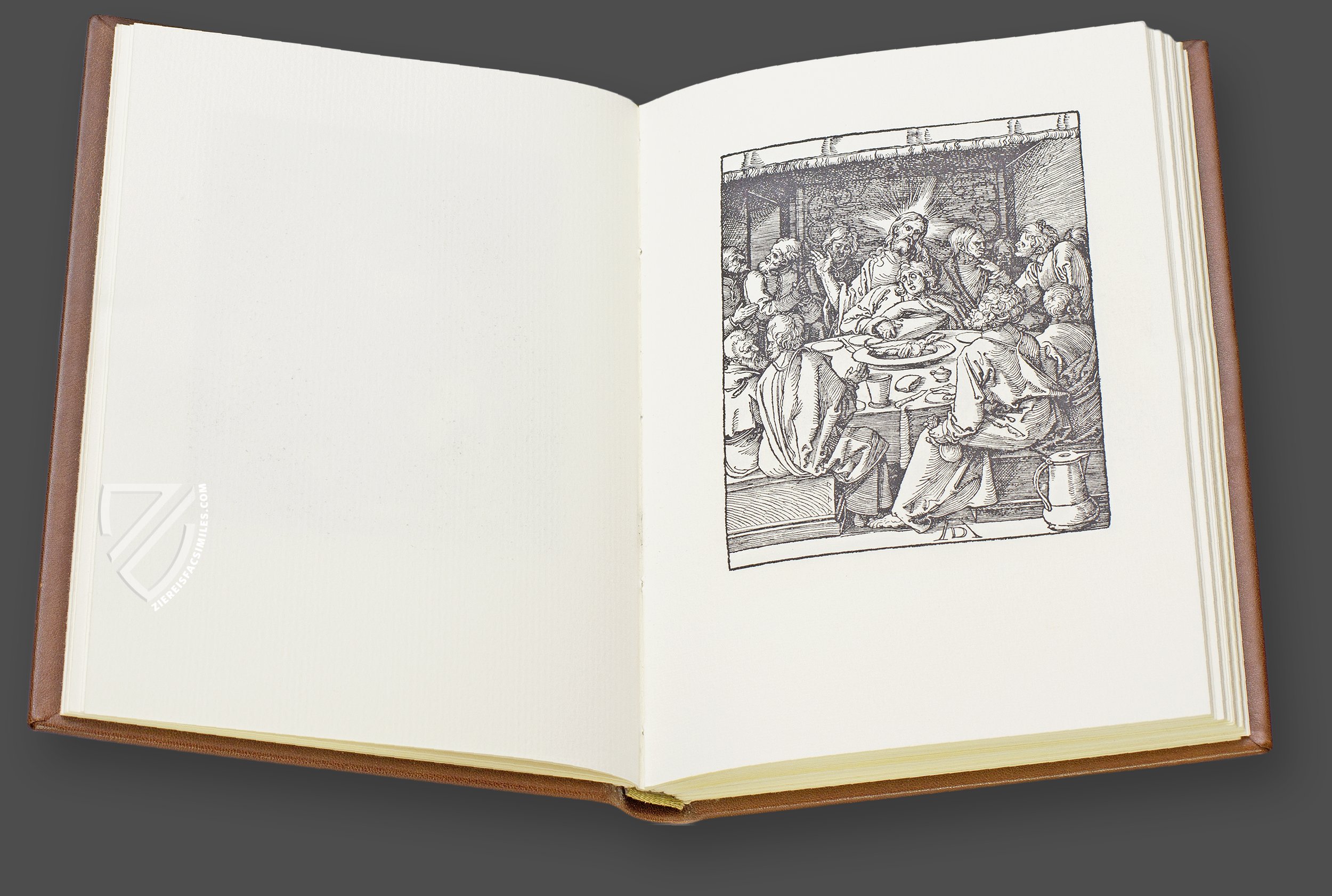
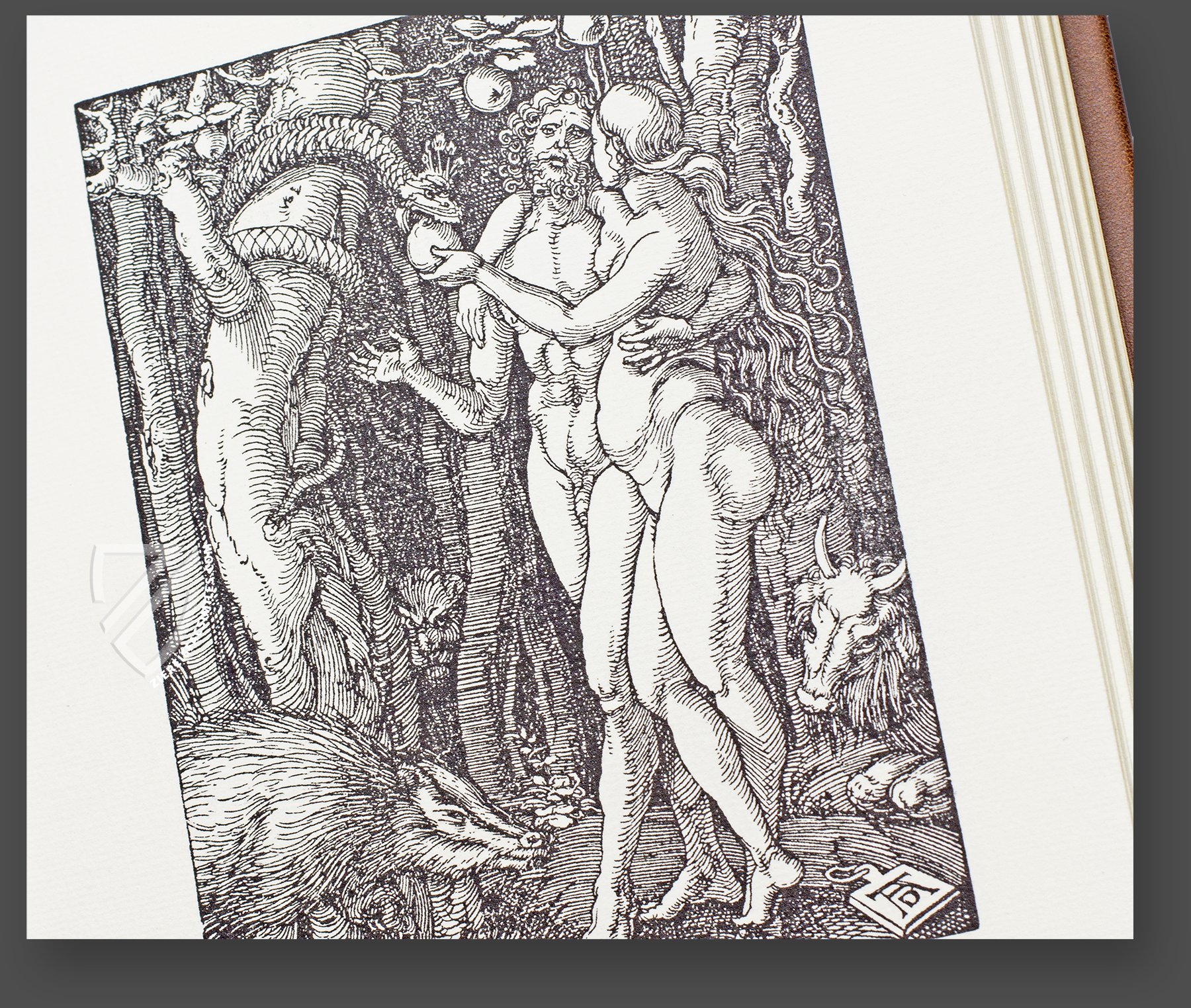
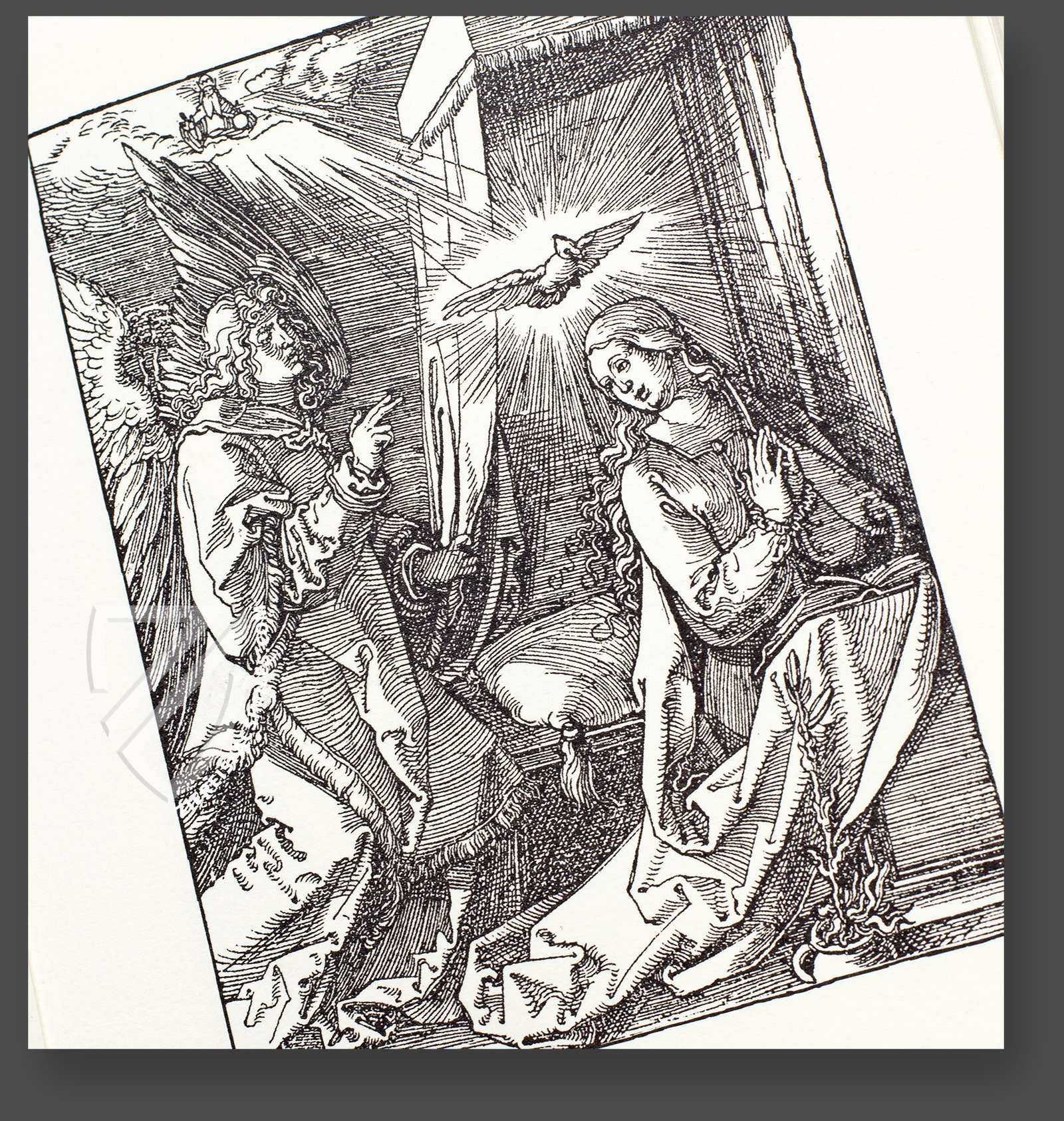
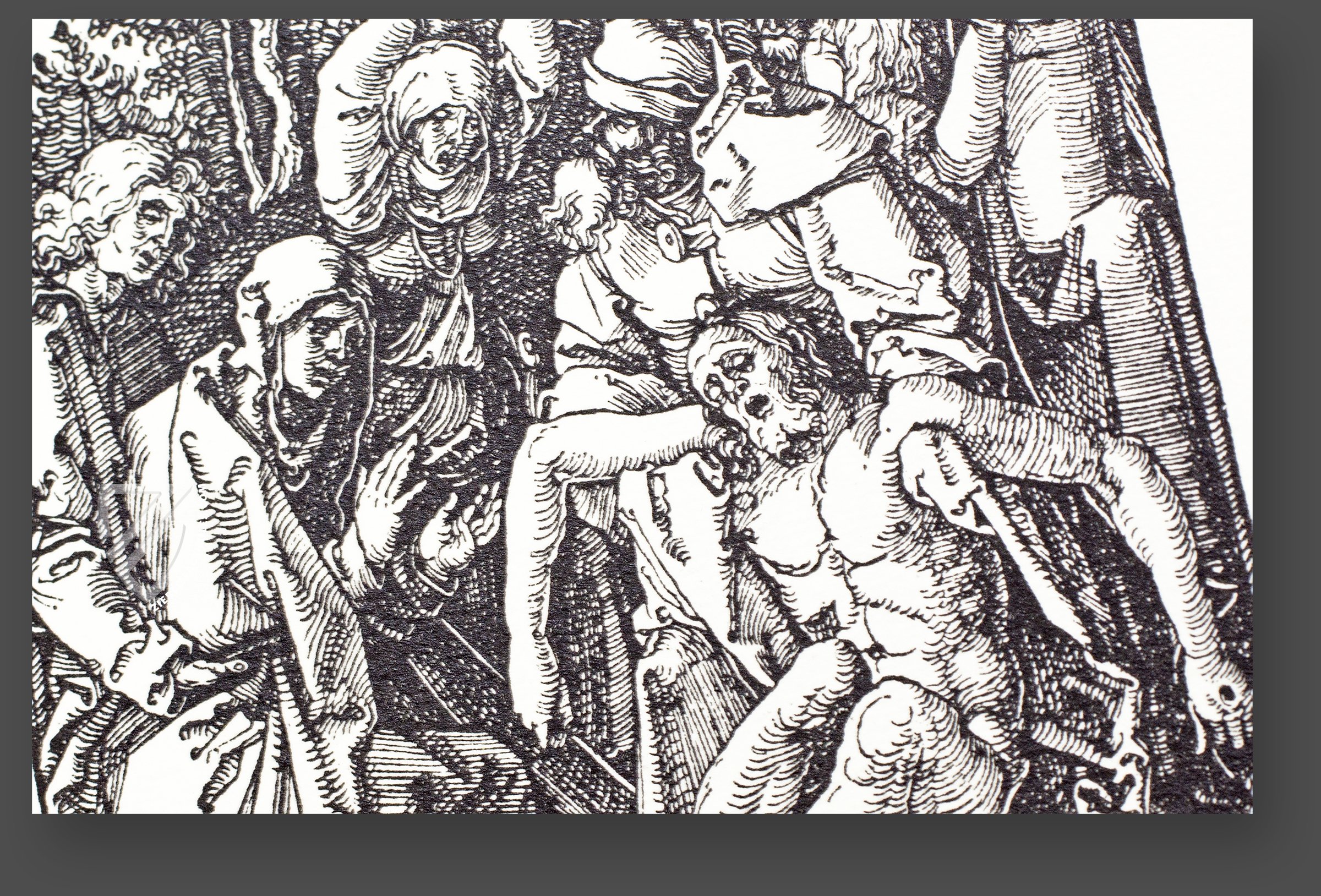
36 woodcuts and a title page bring this story of suffering closer to the viewer. Albrecht Dürer, who was already known to his contemporaries as a highly talented graphic artist, particularly since his 1498 woodcut series The Apocalypse, followed the traditional iconography, and yet conveyed his own unmistakable and perfected style. The series begins with the Fall of Man and the Expulsion from Paradise. After that the actual Passion unfolds, leading up to Christ’s death, the Resurrection and the Ascension. Dürer also included several scenes from Genesis and from the childhood of Christ into his series. The Last Judgement scene serves as the final piece of the series. With their dimensions of 127 x 98 mm, the woodcuts are relatively small, especially in comparison to Dürer’s Great Passion, which features woodcuts measuring 400 x 300 mm each; however, this cycle is significantly more extensive and embeds the story of Christ’s suffering within a broader context of salvation history.
A True Bestseller
Thus, the work fits into its era of the early Northern Renaissance, when the Passion devotion—which had grown increasingly significant in the Late Middle Ages—was still widespread, and the Passion was accordingly a popular theme in art. During private devotions and prayer, the faithful were meant to immerse themselves in what was known as “compassio” and empathize with Christ’s suffering directly, a process in which the striking images were highly supportive. Due to the theme’s great popularity, Dürer’s Small Passion was a true bestseller and was reprinted time and again well into the 20th century.
Dürer’s Small Passion in Italian
The high demand for Dürer’s Small Passion led not only to imitations of the work but also made the original printing blocks from 1511 a sought-after commodity. At the beginning of the 17th century, the Venetian printer Daniel Bisuccio (fl. 1602–1615) acquired them and subsequently published an Italian edition of the Small Passion with texts by Mauritio Moro in 1612.
Codicology
- Alternative Titles
- Albrecht Dürer - La Piccola Passione xilografica - Norimberga, 1511
Albrecht Dürer - Kleine xylographische Passion - Nürnberg, 1511
Die Kleine Passion
Die Kleine Holzschnittpassion
Die kleine Holzschnitt-Passion
La passion de Jésus Christ
The Small Passion
The Little Passion
Small Woodcut Passion Test Printing - Type
- Print on paper
- Size / Format
- 84 pages / 21.0 × 15.0 cm
- Origin
- Germany
- Date
- 1511 / reprint from the beginning of the 17th century
- Epochs
- Style
- Language
- Illustrations
- 36 masterly full-page woodcuts on the Passion of Christ and 1 title page featuring the woodcut “Man of Sorrows”
- Artist / School
- Albrecht Dürer (1471–1528)
Albrecht Dürer – Small Xylographic Passion
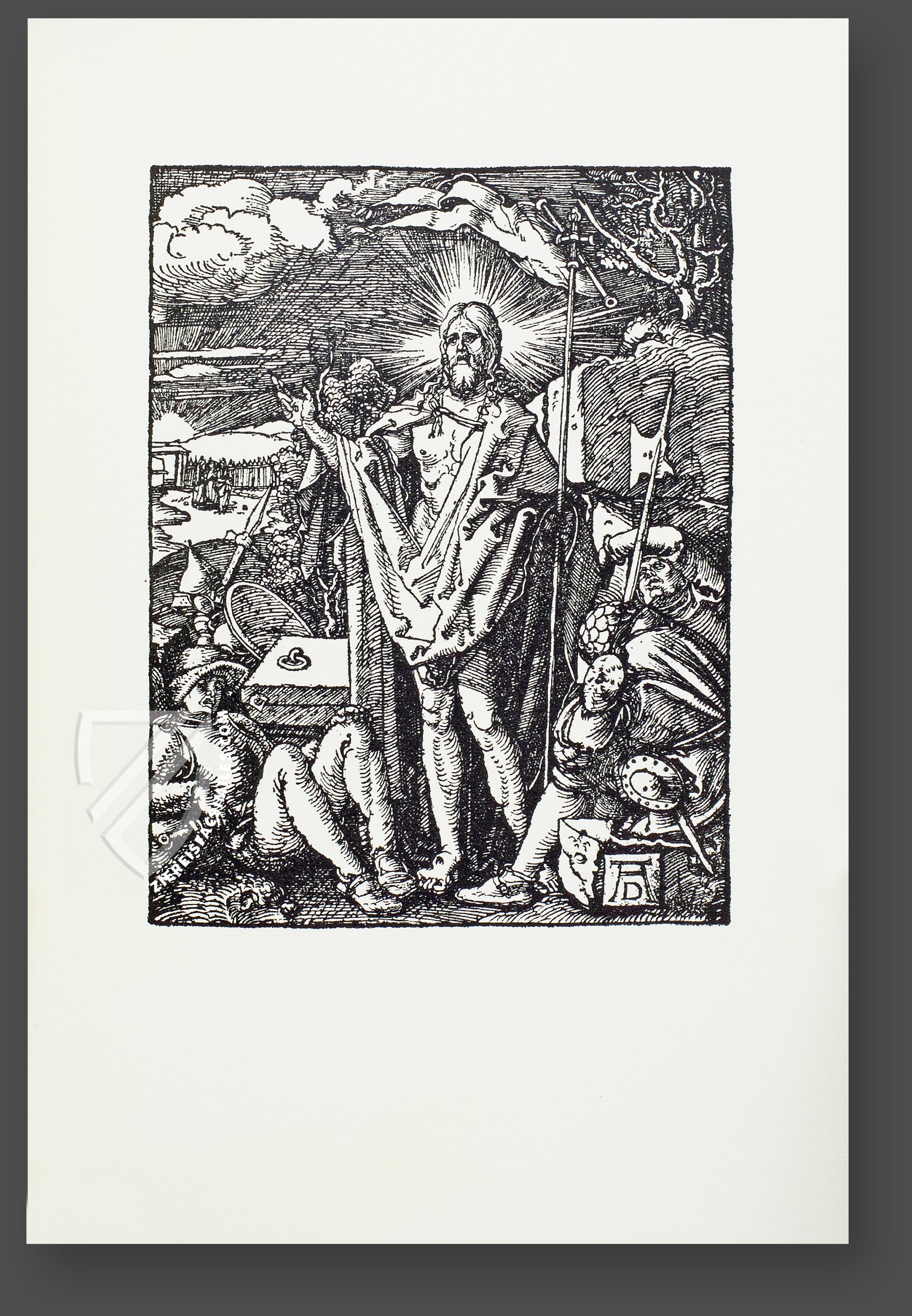
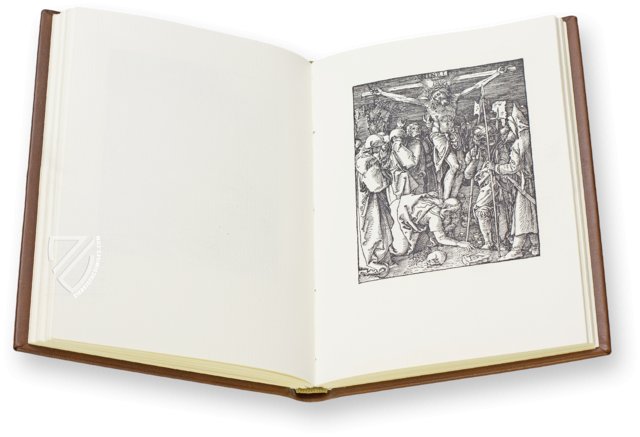
The Resurrection
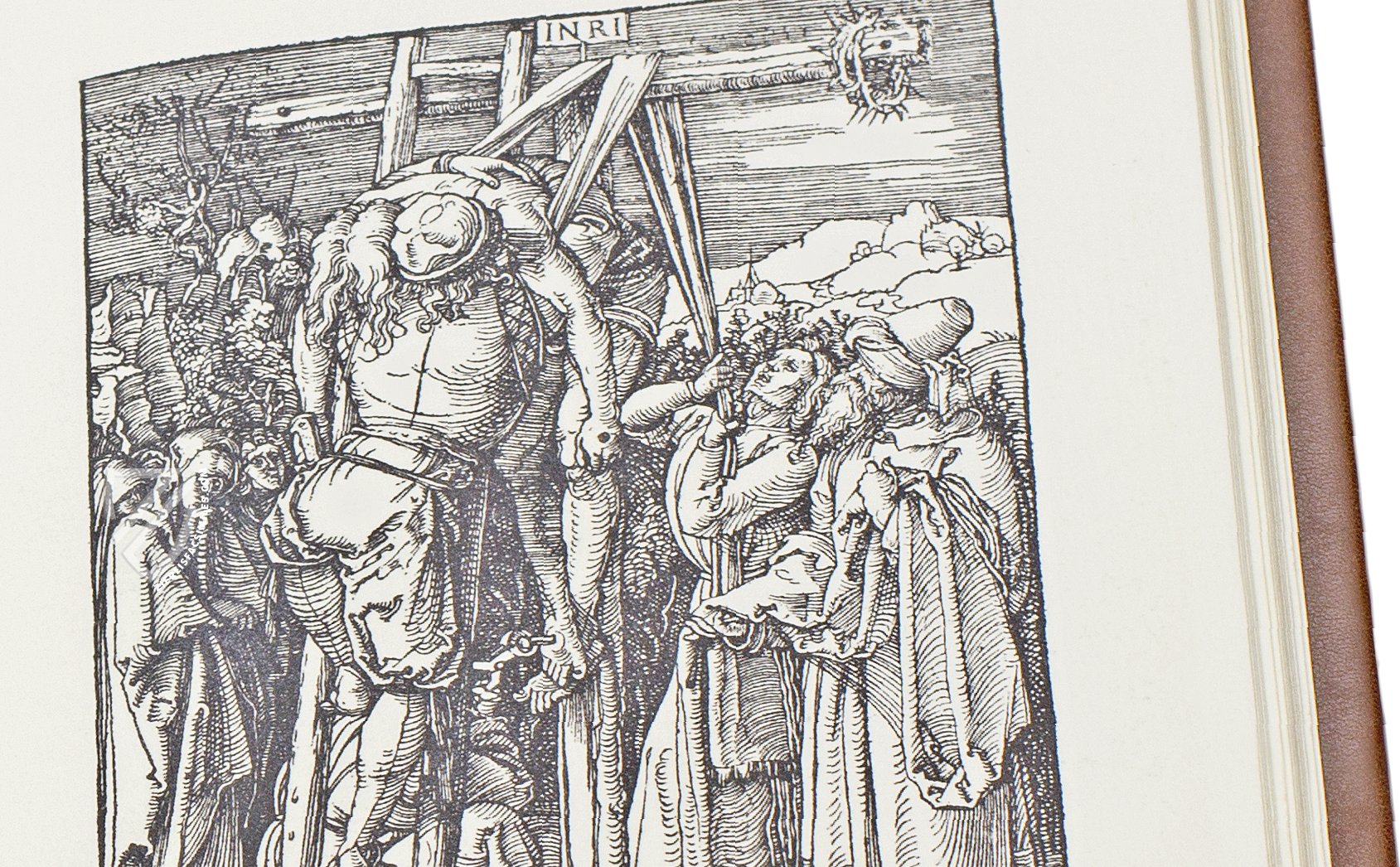
Still dressed in a burial robe and holding a staff with a cross and banner blowing dramatically in the wind, Christ is shown emerging in splendor from his tomb after three days. On the right, a guard armed with a halberd tries to shield his eyes from the sunburst appearing behind Christ’s head, while on the left, the Three Marys are shown in the distance bathed in sunlight as they make their way to the tomb. The densely designed image uses overlapping forms and stark contrast.
Albrecht Dürer – Small Xylographic Passion
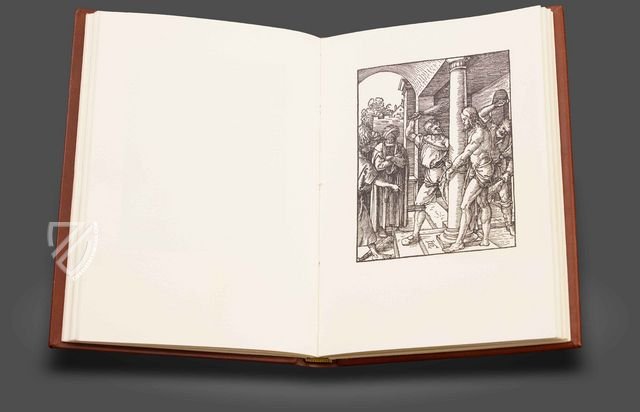
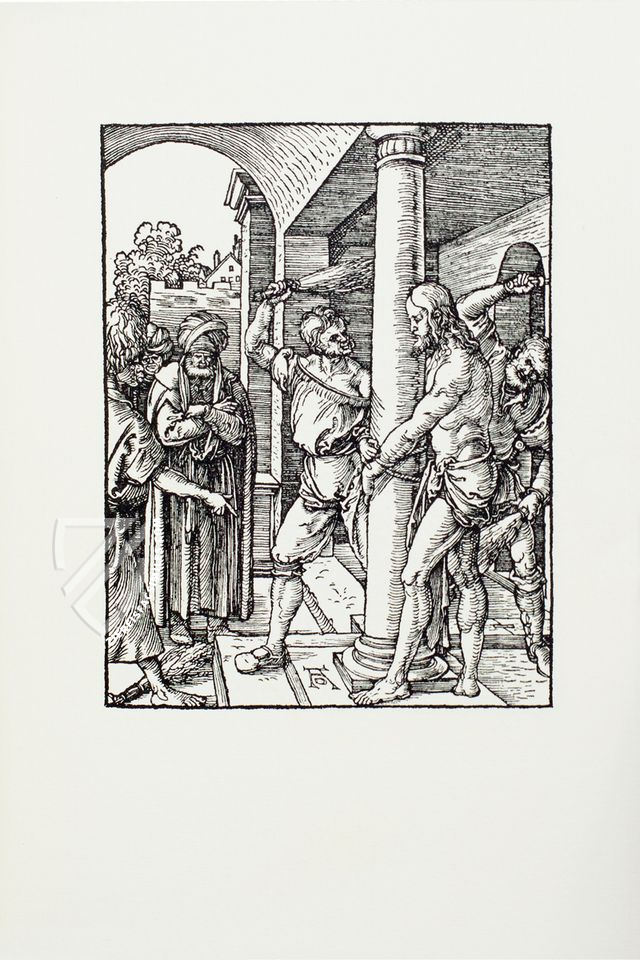
The Flagellation
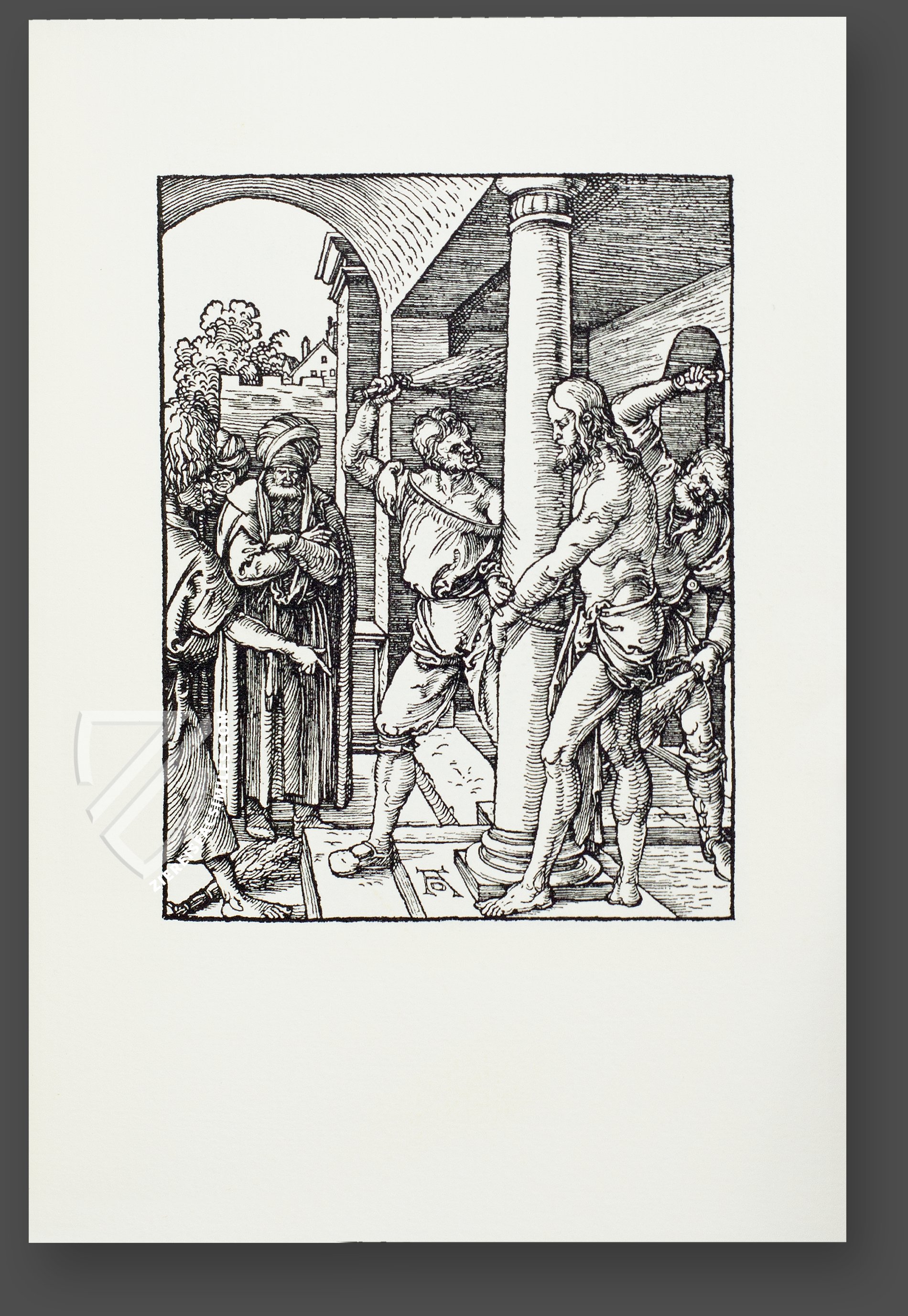
One of the most iconic scenes of the Passion is presented here in a combination of masterful architecture and grim faces. Christ stands tied to a column stripped to the waist as two soldiers flog him, stripped of their armor to free their movements, while richly dressed Pharisees smugly look on with crossed arms.
Christ is calm and composed, portrayed in profile, but his floggers’ faces are grotesque, even demonic, with dark eyes. The perfection of the architectural perspective contrasts sharply with the disheveled appearance of Christ’s oppressors. A third soldier, portrayed in profile with ape-like facial features, points to Dürer’s iconic “AD” monogram engraved at Christ’s feat, implying the guilt of the artist and all sinners in the suffering of the Redeemer.
#1 Albrecht Dürer - La Piccola Passione xilografica - Norimberga 1511
Language: Italian
(1,000€ - 3,000€)
- Block Books / Incunables / Post-incunables
- Alchemy
- Apocalypses / Beatus Manuscripts
- Astronomy / Astrology
- Bibles / Gospels
- Picture Bibles / Bibles Moralisées / Mirror of Human Salvation
- Botany
- Chronicles / History / Letters
- Cookbook / Recipes
- Diaries / Biographies / Autograph Books
- Encyclopedias
- Fashion / Costume Books
- Games / Game Theory
- Geography / Cartography / Navigation
- Graduals / Antiphonaries / Exultet Roll
- Haggadot
- Hunting Books
- Law / Deeds / Rules
- Leonardo da Vinci
- Literature / Poetry
- Medicine
- Missals / Lectionaries / Sacramentaries
- Model Books / Sketchbooks / Notebooks
- Music
- Mythology
- Natural History / Bestiaries
- Other Liturgical Manuscripts
- Other Religious Works
- Other Secular Works
- Paintings / Graphics
- Primers / Textbooks
- Private Devotion Books
- Prophecies / Divination
- Psalters
- Quran
- Saints' Lives
- Sermons / Homilies
- Single Leaf Collections
- Song Books
- Tanakh
- Tournament Books / Armorials / Genealogy
- Travelogues / Travel Guides
- Treatises
- Afghanistan
- Algeria
- Armenia
- Austria
- Azerbaijan
- Belarus
- Belgium
- Belize
- Bosnia and Herzegovina
- China
- Colombia
- Costa Rica
- Croatia
- Cyprus
- Czech Republic
- Denmark
- Egypt
- El Salvador
- Ethiopia
- France
- Germany
- Greece
- Guatemala
- Honduras
- Hungary
- India
- Iran
- Iraq
- Israel
- Italy
- Japan
- Jordan
- Kazakhstan
- Kyrgyzstan
- Lebanon
- Libya
- Liechtenstein
- Luxembourg
- Mexico
- Morocco
- Netherlands
- Palestine
- Panama
- Peru
- Poland
- Portugal
- Romania
- Russia
- Serbia
- Slovakia
- Spain
- Sri Lanka
- Sweden
- Switzerland
- Syria
- Tajikistan
- Tunisia
- Turkey
- Turkmenistan
- Ukraine
- United Kingdom
- United States
- Uzbekistan
- Vatican City
- A. Oosthoek, van Holkema & Warendorf
- Aboca Museum
- Ajuntament de Valencia
- Akademie Verlag
- Akademische Druck- u. Verlagsanstalt (ADEVA)
- Aldo Ausilio Editore - Bottega d’Erasmo
- Alecto Historical Editions
- Alkuin Verlag
- Almqvist & Wiksell
- Amilcare Pizzi
- Andreas & Andreas Verlagsbuchhandlung
- Archa 90
- Archiv Verlag
- Archivi Edizioni
- Arnold Verlag
- ARS
- Ars Magna
- Ars Millenii
- Art Market
- ArtCodex
- AyN Ediciones
- Azimuth Editions
- Badenia Verlag
- Bärenreiter-Verlag
- Belser Verlag
- Belser Verlag / WK Wertkontor
- Benziger Verlag
- Bernardinum Wydawnictwo
- BiblioGemma
- Biblioteca Apostolica Vaticana (Vaticanstadt, Vaticanstadt)
- Bibliotheca Palatina Faksimile Verlag
- Bibliotheca Rara
- Boydell & Brewer
- Bramante Edizioni
- Bredius Genootschap
- Brepols Publishers
- British Library
- Brokarte
- C. Weckesser
- Caixa Catalunya
- Canesi
- CAPSA, Ars Scriptoria
- Caratzas Brothers, Publishers
- Carus Verlag
- Casamassima Libri
- Centrum Cartographie Verlag GmbH
- Chavane Verlag
- Christian Brandstätter Verlag
- Circulo Cientifico
- Club Bibliófilo Versol
- Club du Livre
- Club Internacional del Libro
- CM Editores
- Collegium Graphicum
- Collezione Apocrifa Da Vinci
- Comissão Nacional para as Comemorações dos Descobrimentos Portugueses
- Coron Verlag
- Corvina
- CTHS
- D. S. Brewer
- Damon
- De Agostini/UTET
- De Nederlandsche Boekhandel
- De Schutter
- Deuschle & Stemmle
- Deutscher Verlag für Kunstwissenschaft
- DIAMM
- Dropmore Press
- Droz
- E. Schreiber Graphische Kunstanstalten
- Ediciones Boreal
- Ediciones Grial
- Ediclube
- Edições Inapa
- Edilan
- Editalia
- Edition Deuschle
- Edition Georg Popp
- Edition Leipzig
- Edition Libri Illustri
- Editiones Reales Sitios S. L.
- Éditions de l'Oiseau Lyre
- Editions Medicina Rara
- Editorial Base
- Editorial Casariego
- Editorial Mintzoa
- Editrice Antenore
- Editrice Velar
- Edizioni Edison
- Egeria, S.L.
- Eikon Editores
- Electa
- Emery Walker Limited
- Enciclopèdia Catalana
- Eos-Verlag
- Ephesus Publishing
- Ernst Battenberg
- Eugrammia Press
- Extraordinary Editions
- Fackelverlag
- Facsimila Art & Edition
- Facsimile Editions Ltd.
- Facsimilia Art & Edition Ebert KG
- Faksimile Verlag
- Feuermann Verlag
- Folger Shakespeare Library
- Franco Cosimo Panini Editore
- Friedrich Wittig Verlag
- Fundación Hullera Vasco-Leonesa
- G. Braziller
- Gabriele Mazzotta Editore
- Gebr. Mann Verlag
- Gesellschaft für graphische Industrie
- Getty Research Institute
- Giovanni Domenico de Rossi
- Giunti Editore
- Goldenmark Librarium
- Graffiti
- Grafica European Center of Fine Arts
- Guido Pressler
- Guillermo Blazquez
- Gustav Kiepenheuer
- H. N. Abrams
- Harrassowitz
- Harvard University Press
- Helikon
- Hendrickson Publishers
- Henning Oppermann
- Herder Verlag
- Hes & De Graaf Publishers
- Hoepli
- Holbein-Verlag
- Houghton Library
- Hugo Schmidt Verlag
- Hungarian Academy of Sciences
- Idion Verlag
- Il Bulino, edizioni d'arte
- ILte
- Imago
- In Officina Danesi
- Insel Verlag
- Instituto de Estudios Altoaragoneses
- Instituto Nacional de Antropología e Historia
- Introligatornia Budnik Jerzy
- Istituto dell'Enciclopedia Italiana - Treccani
- Istituto Ellenico di Studi Bizantini e Postbizantini
- Istituto Geografico De Agostini
- Istituto Poligrafico e Zecca dello Stato
- Italarte Art Establishments
- Jaca Book
- Jan Thorbecke Verlag
- Johnson Reprint Corporation
- Johnson Reprint Corporation
- Jos. Baer
- Josef Stocker
- Josef Stocker-Schmid
- Jugoslavija
- Karl W. Hiersemann
- Kasper Straube
- Kaydeda Ediciones
- Kindler Verlag / Coron Verlag
- Kodansha International Ltd.
- Konrad Kölbl Verlag
- Kurt Wolff Verlag
- La Linea Editrice
- La Meta Editore
- Lambert Schneider
- Landeskreditbank Baden-Württemberg
- Leo S. Olschki
- Les Incunables
- Liber Artis
- Library of Congress
- Libreria Musicale Italiana
- Lichtdruck
- Lito Immagine Editore
- Lumen Artis
- Lund Humphries
- M. Moleiro Editor
- Maison des Sciences de l'homme et de la société de Poitiers
- Manuscriptum
- Martinus Nijhoff
- Maruzen-Yushodo Co. Ltd.
- MASA
- Massada Publishers
- McGraw-Hill
- Metropolitan Museum of Art
- Militos
- Millennium Liber
- Müller & Schindler
- Nahar - Stavit
- Nahar and Steimatzky
- National Library of Wales
- Neri Pozza
- Nova Charta
- Oceanum Verlag
- Odeon
- Omnia Arte
- Orbis Mediaevalis
- Orbis Pictus
- Österreichische Staatsdruckerei
- Oxford University Press
- Pageant Books
- Parzellers Buchverlag
- Patrimonio Ediciones
- Pattloch Verlag
- PIAF
- Plon-Nourrit et cie
- Poligrafiche Bolis
- Presses Universitaires de Strasbourg
- Prestel Verlag
- Princeton University Press
- Prisma Verlag
- Priuli & Verlucca, editori
- Pro Sport Verlag
- Propyläen Verlag
- Pytheas Books
- Quaternio Verlag Luzern
- Reales Sitios
- Recht-Verlag
- Reichert Verlag
- Reichsdruckerei
- Reprint Verlag
- Riehn & Reusch
- Rizzoli
- Roberto Vattori Editore
- Rosenkilde and Bagger
- Roto-Sadag
- Roxburghe Club
- Salerno Editrice
- Saltellus Press
- Sandoz
- Sarajevo Svjetlost
- Schöck ArtPrint Kft.
- Schulsinger Brothers
- Scolar Press
- Scrinium
- Scripta Maneant
- Scriptorium
- Shazar
- Siloé, arte y bibliofilia
- SISMEL - Edizioni del Galluzzo
- Sociedad Mexicana de Antropología
- Société des Bibliophiles & Iconophiles de Belgique
- Soncin Publishing
- Sorli Ediciones
- Stainer and Bell
- Studer
- Styria Verlag
- Sumptibus Pragopress
- Szegedi Tudomànyegyetem
- Taberna Libraria
- Tarshish Books
- Taschen
- Tempus Libri
- Testimonio Compañía Editorial
- TGB Limited Editions
- Thames and Hudson
- The Clear Vue Publishing Partnership Limited
- The Facsimile Codex
- The Folio Society
- The Marquess of Normanby
- The Orphan Hospital Ward of Israel
- The Richard III and Yorkist History Trust
- The Warburg Institute
- Tip.Le.Co
- TouchArt
- TREC Publishing House
- TRI Publishing Co.
- Trident Editore
- Tuliba Collection
- Typis Regiae Officinae Polygraphicae
- Union Verlag Berlin
- Universidad de Granada
- Universitaire Bibliotheken Leiden
- University of California Press
- University of Chicago Press
- Urs Graf
- Vallecchi
- Van Wijnen
- VCH, Acta Humaniora
- VDI Verlag
- VEB Deutscher Verlag für Musik
- Verein Schweizerischer Lithographie-Besitzer
- Verlag Anton Pustet / Andreas Verlag
- Verlag Bibliophile Drucke Josef Stocker
- Verlag der Münchner Drucke
- Verlag für Regionalgeschichte
- Verlag Styria
- Vicent Garcia Editores
- W. Turnowsky
- Waanders Printers
- Wiener Mechitharisten-Congregation (Wien, Österreich)
- Wissenschaftliche Buchgesellschaft
- Wissenschaftliche Verlagsgesellschaft
- Wydawnictwo Dolnoslaskie
- Xuntanza Editorial
- Zakład Narodowy
- Zollikofer AG