
Gospel Lectionary of Würzburg

Würzburg (Germany) — 1507
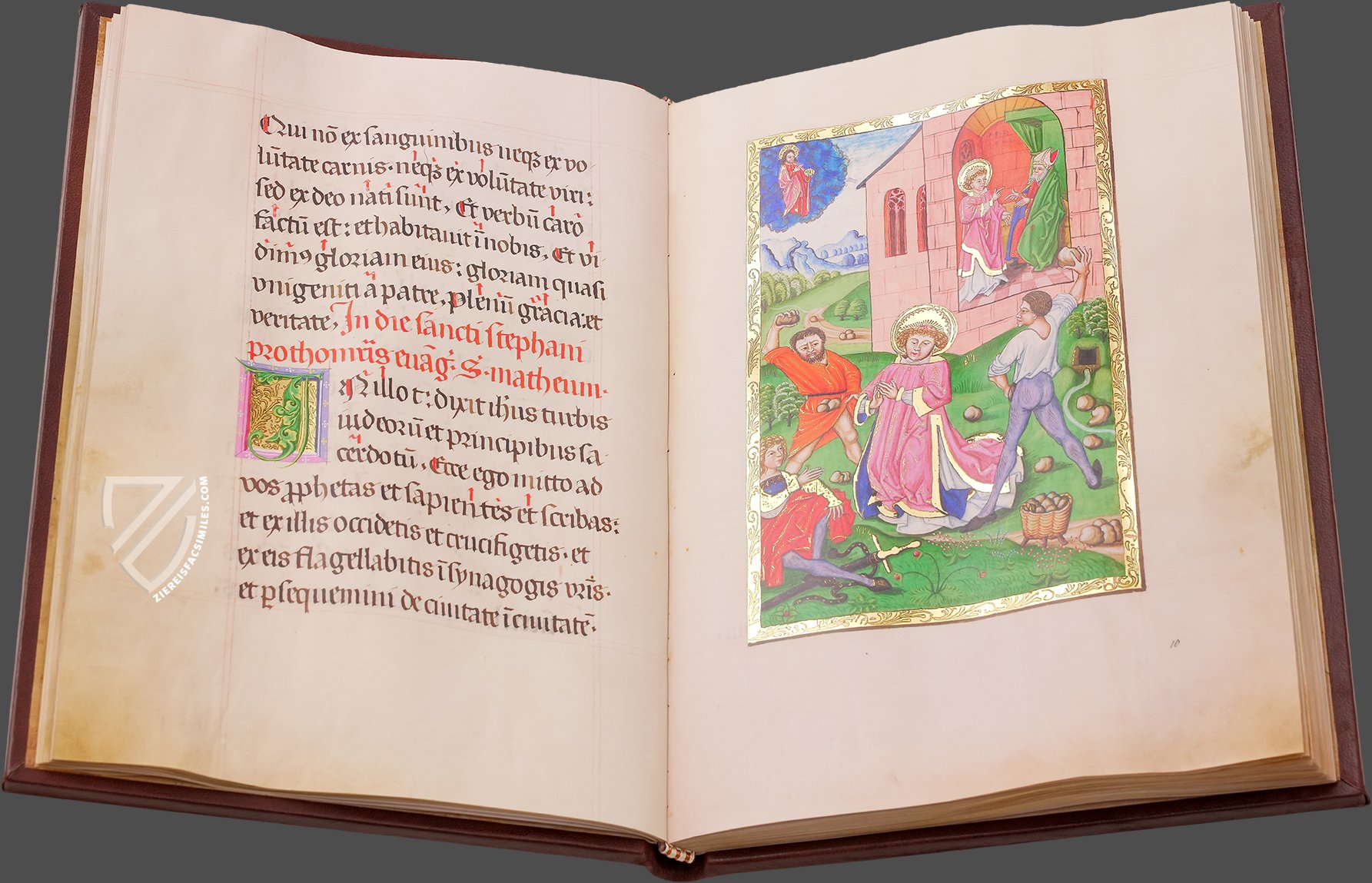
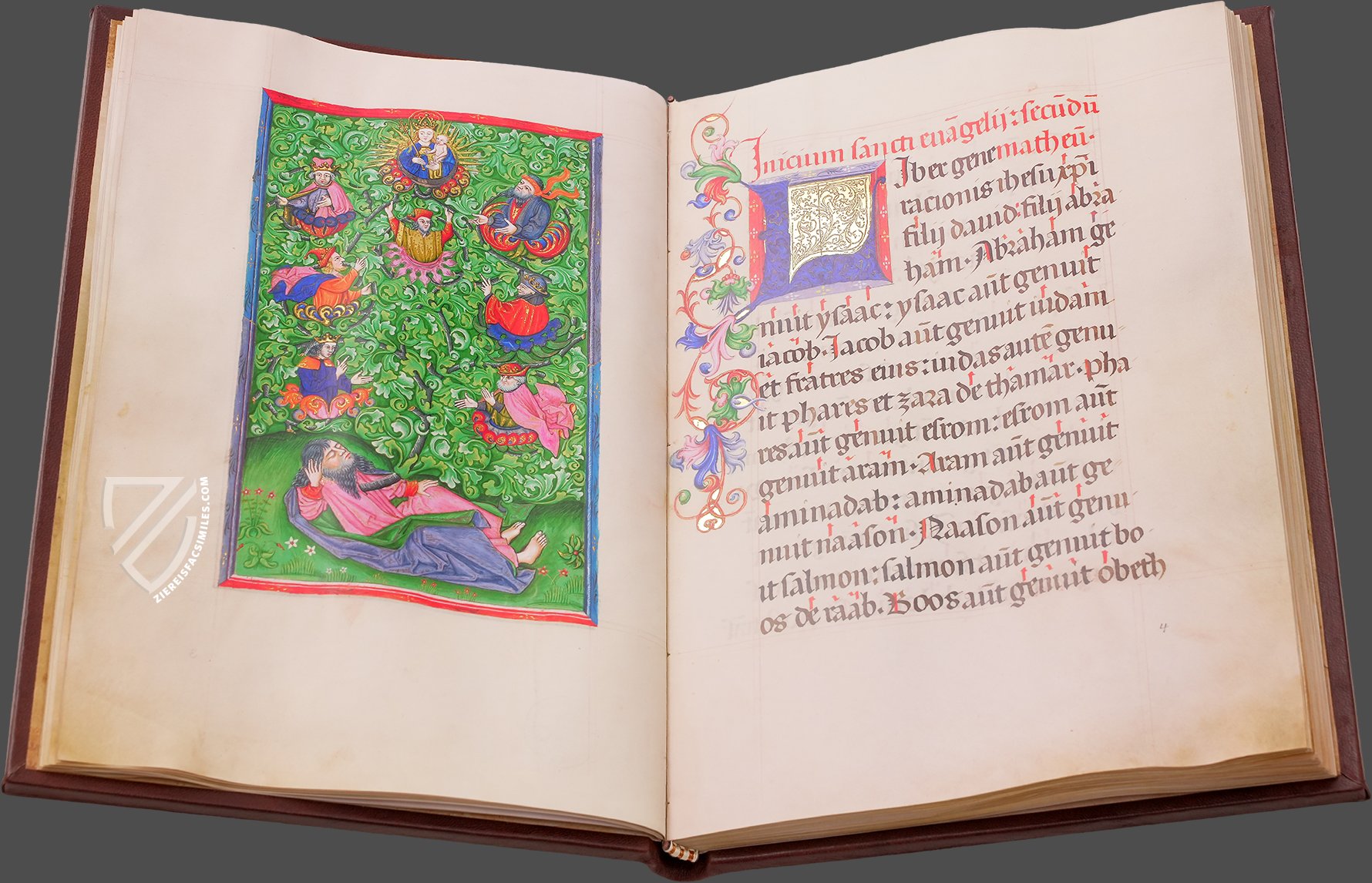
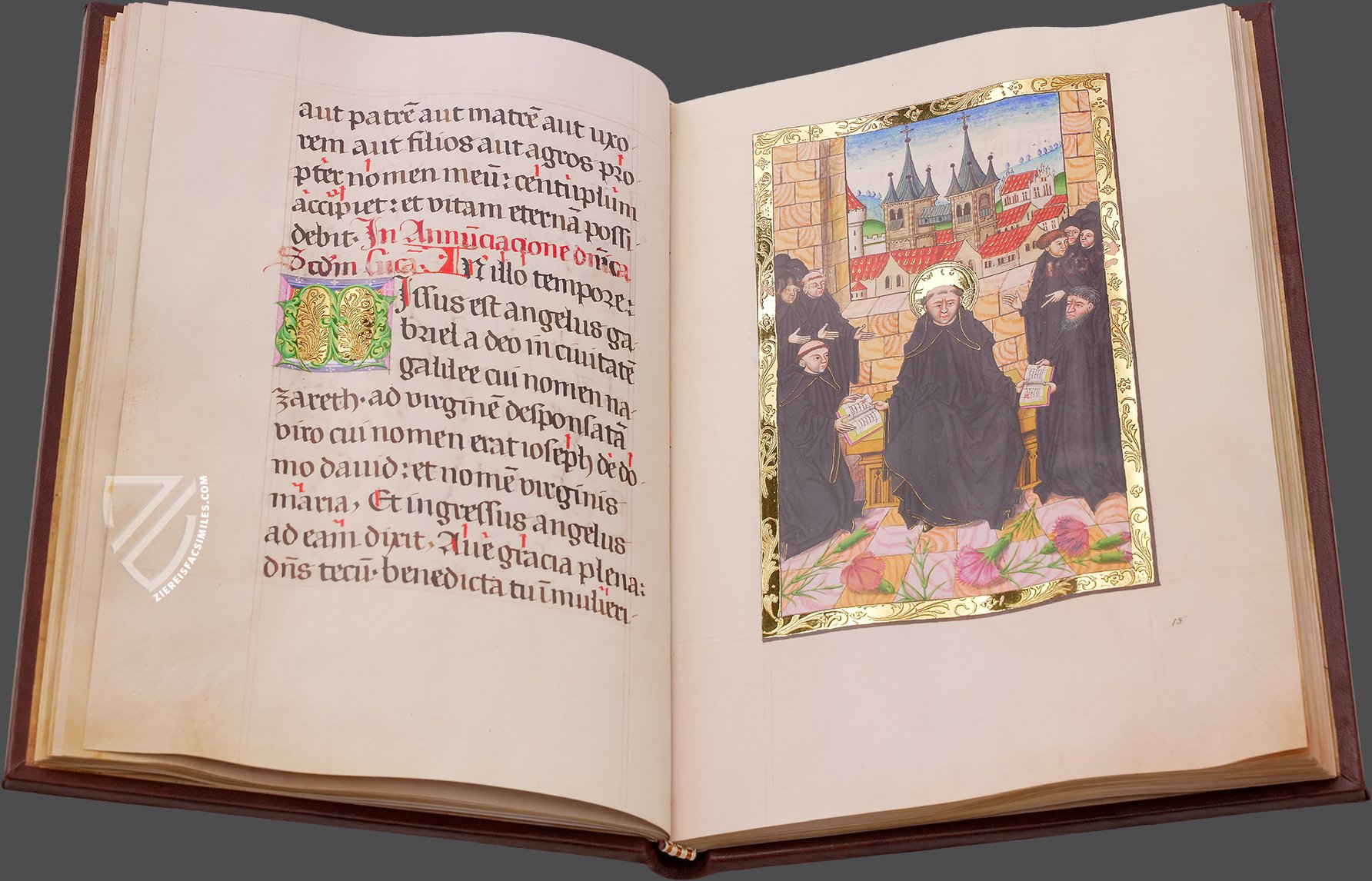
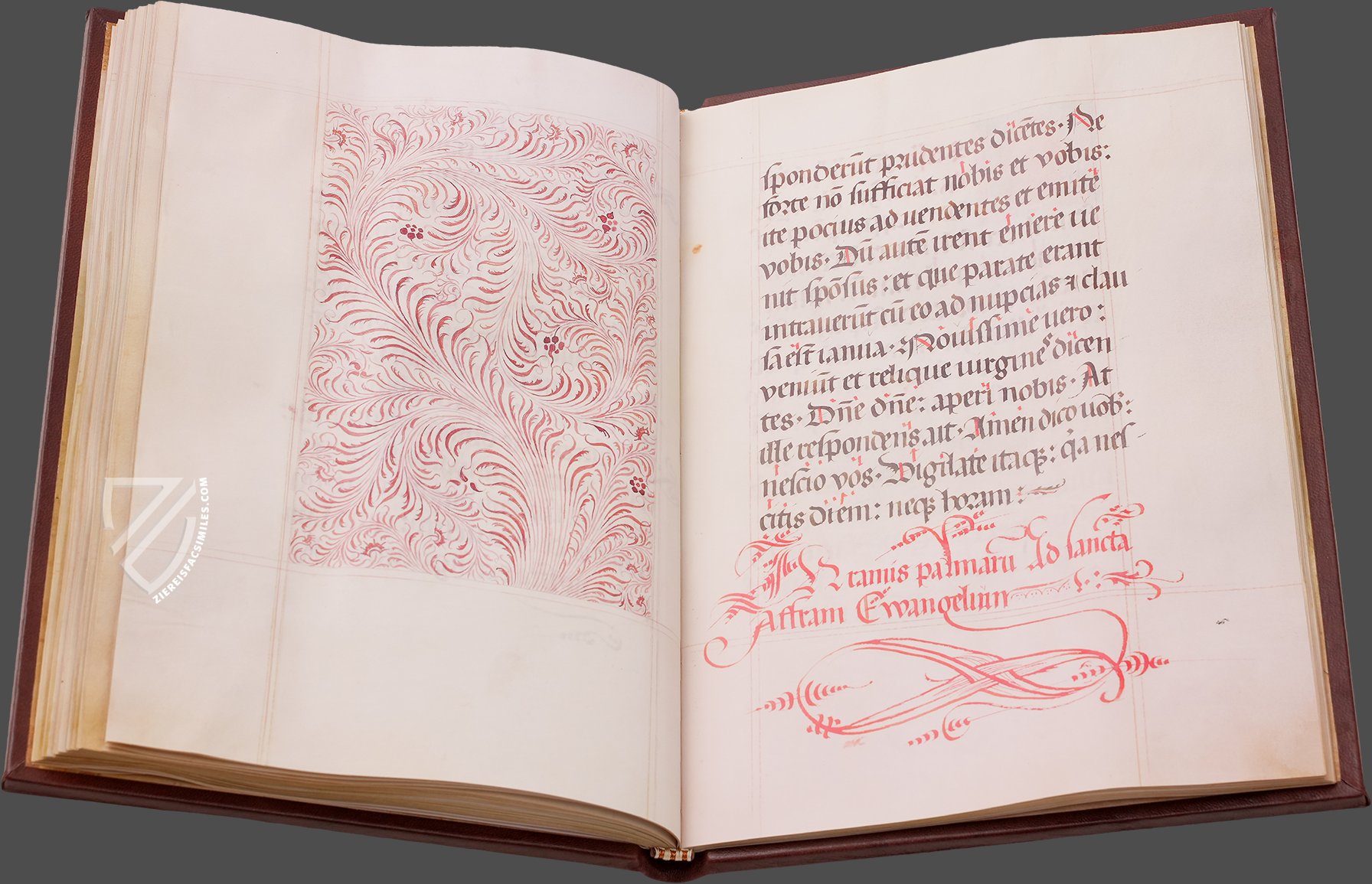
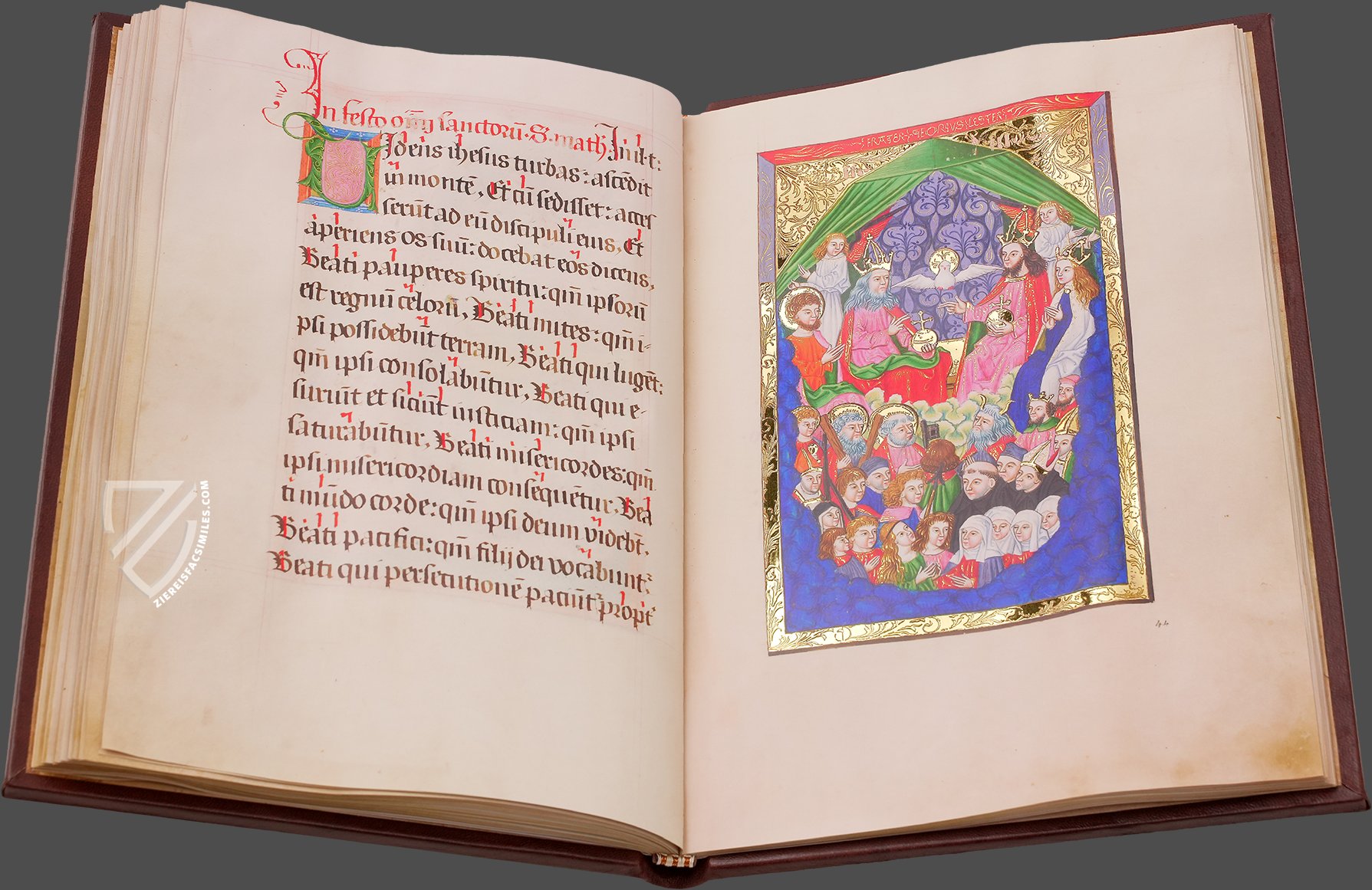
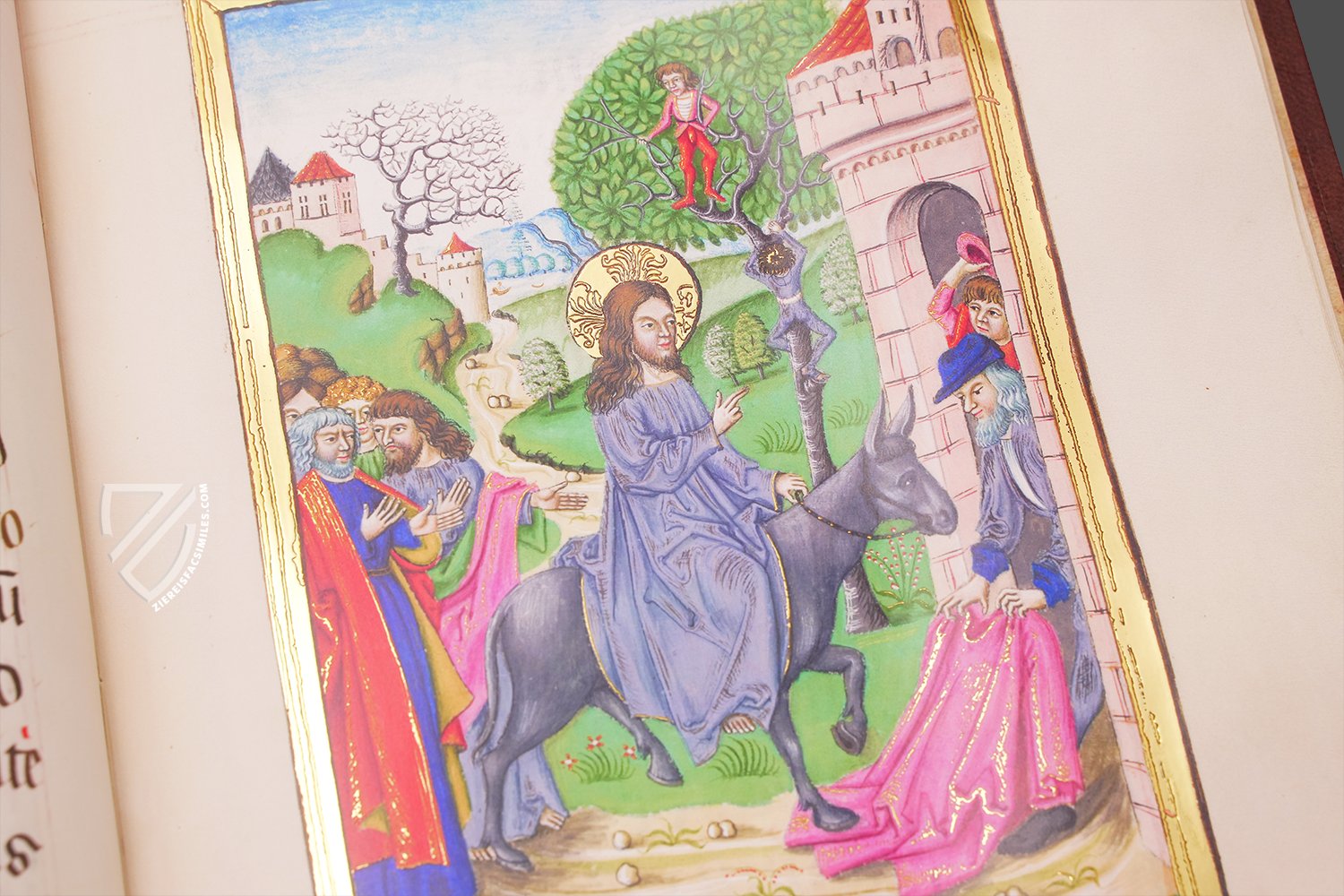
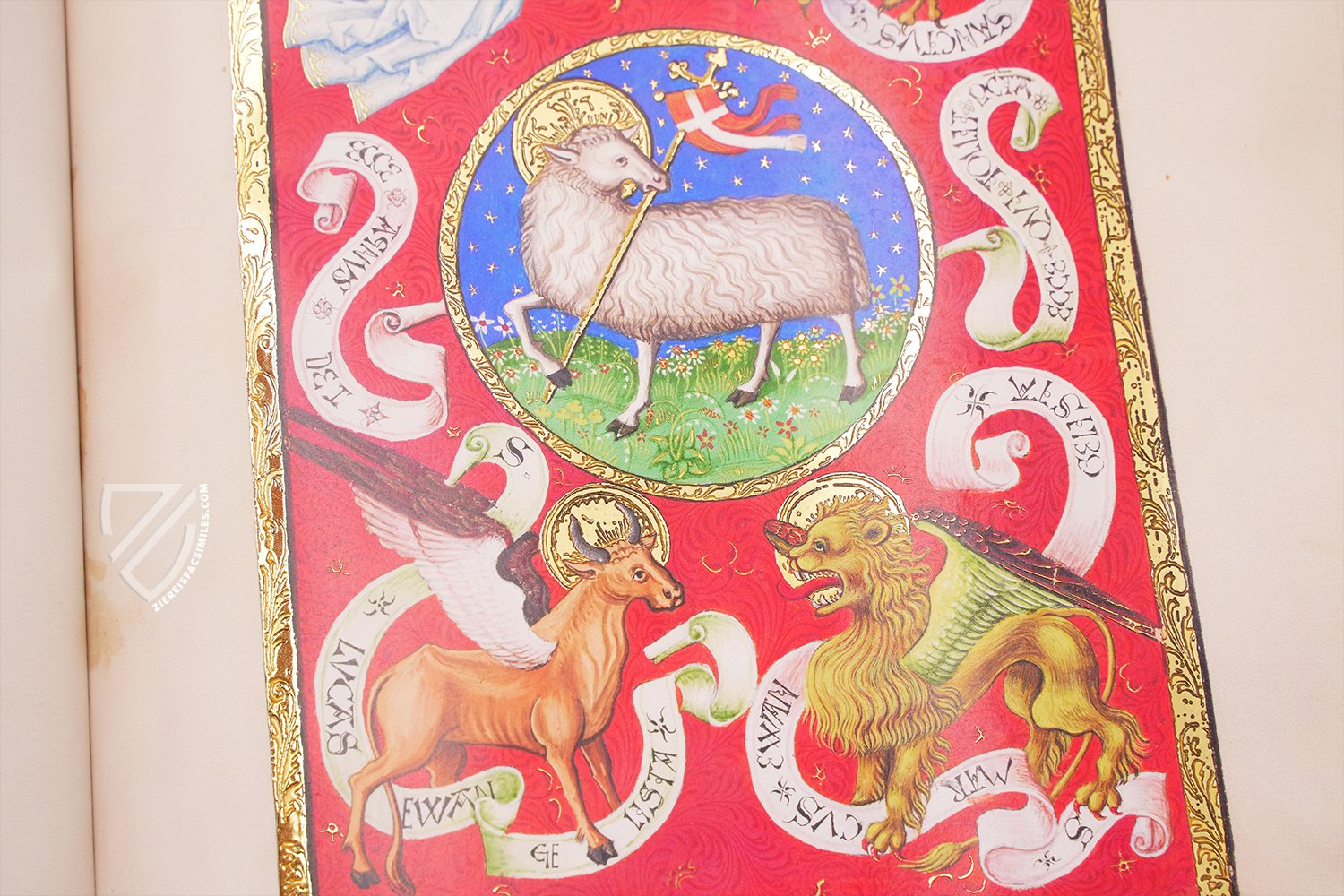
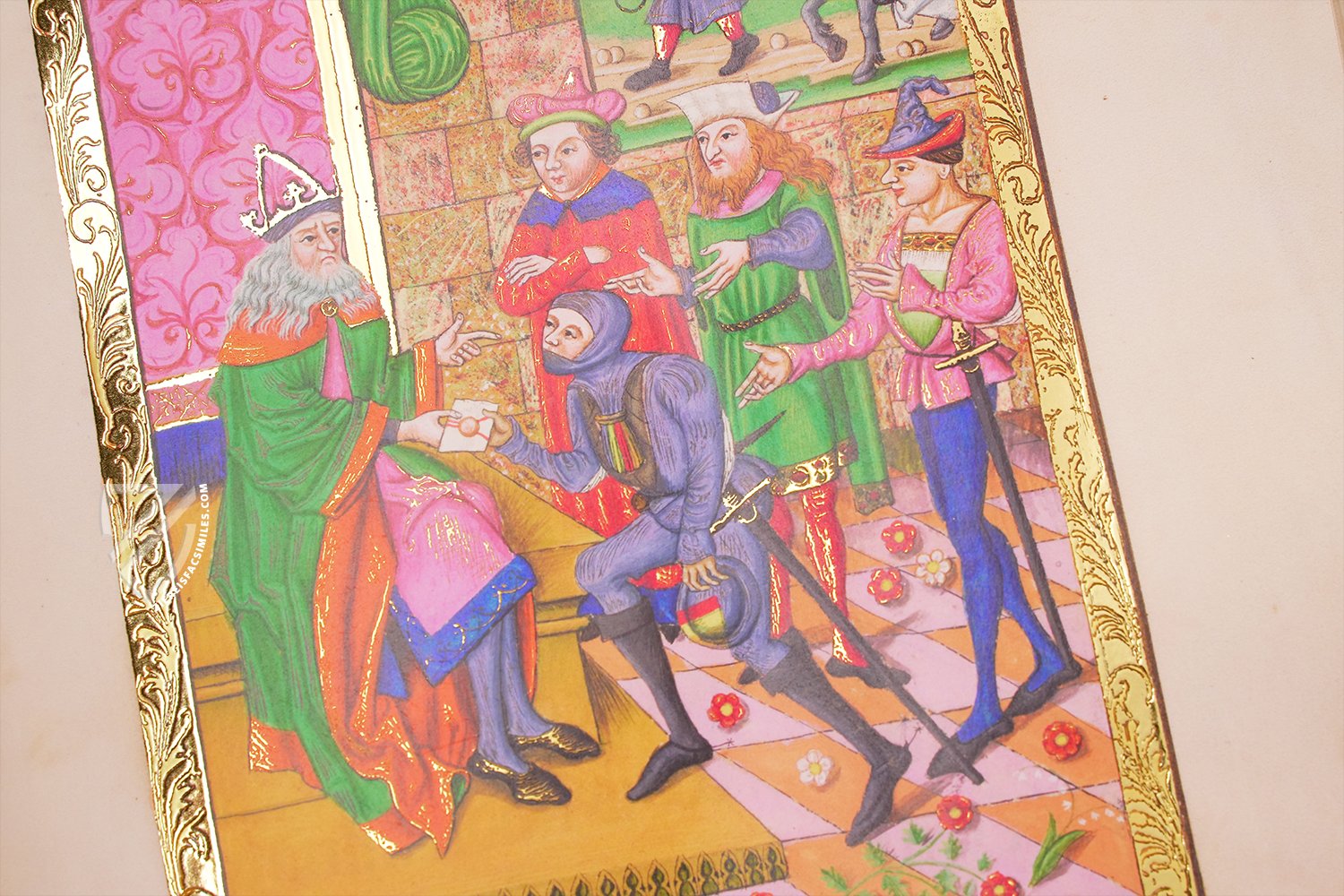
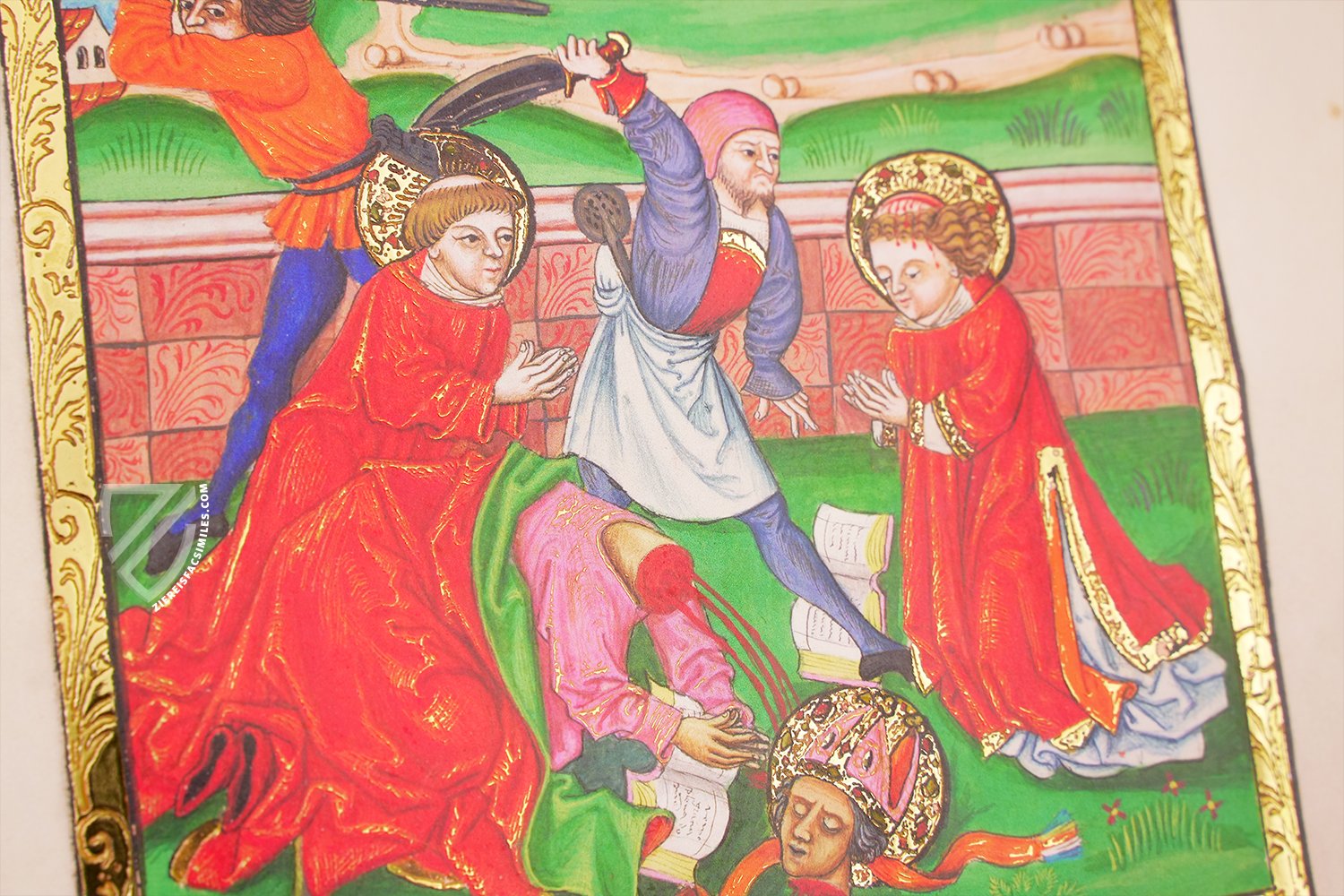
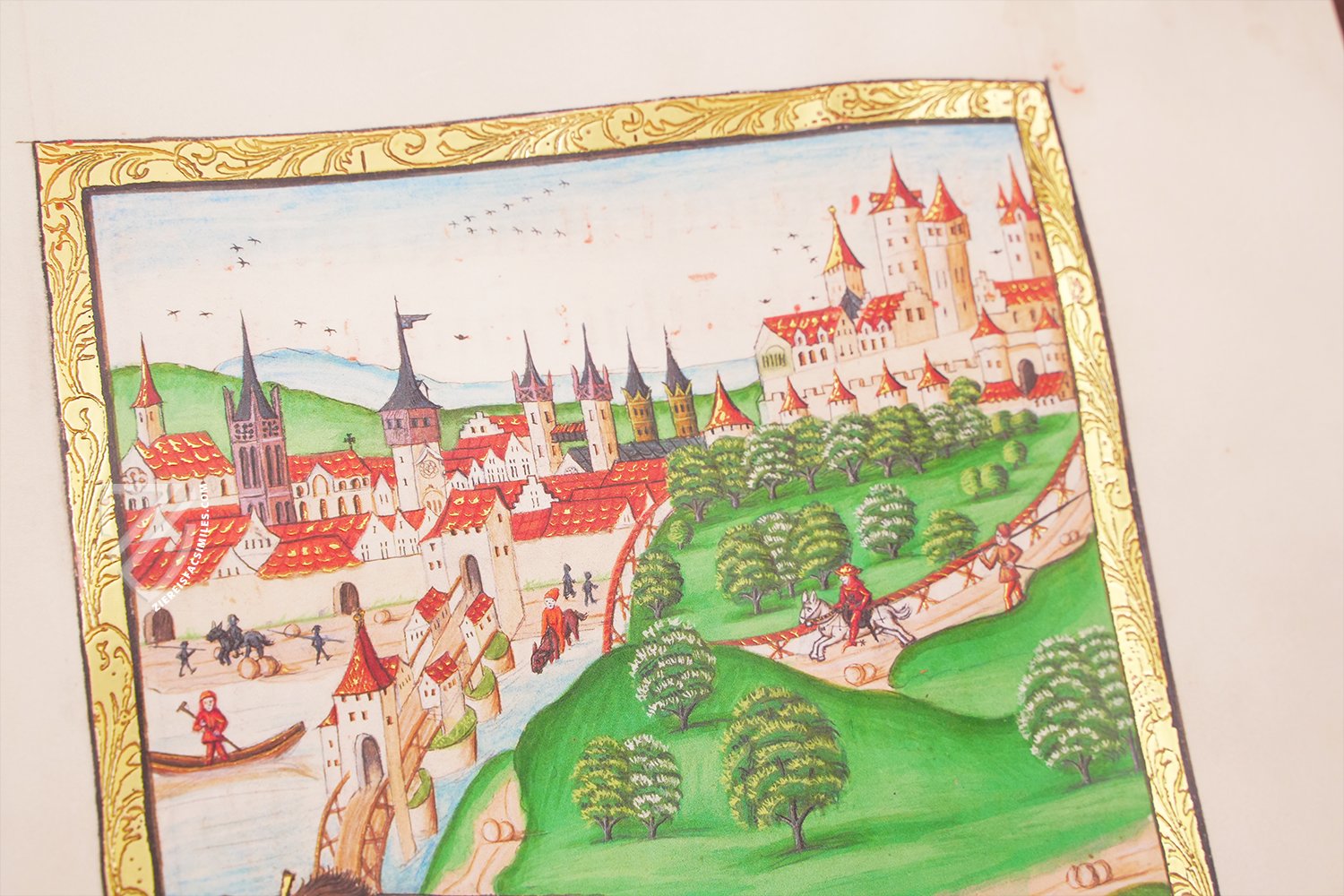
A marvelous collection of panel paintings in book form for the powerful Prince-Bishop of Würzburg: a sumptuous German Renaissance evangeliary with 30 full-page, gold-decorated miniatures by Georg Lester
Commissioned in 1507 by Lorenz von Bibra, Prince-Bishop of Würzburg (1459–1519)
30 magnificent full-page miniatures masterfully illuminated by the Benedictine monk Georg Lester
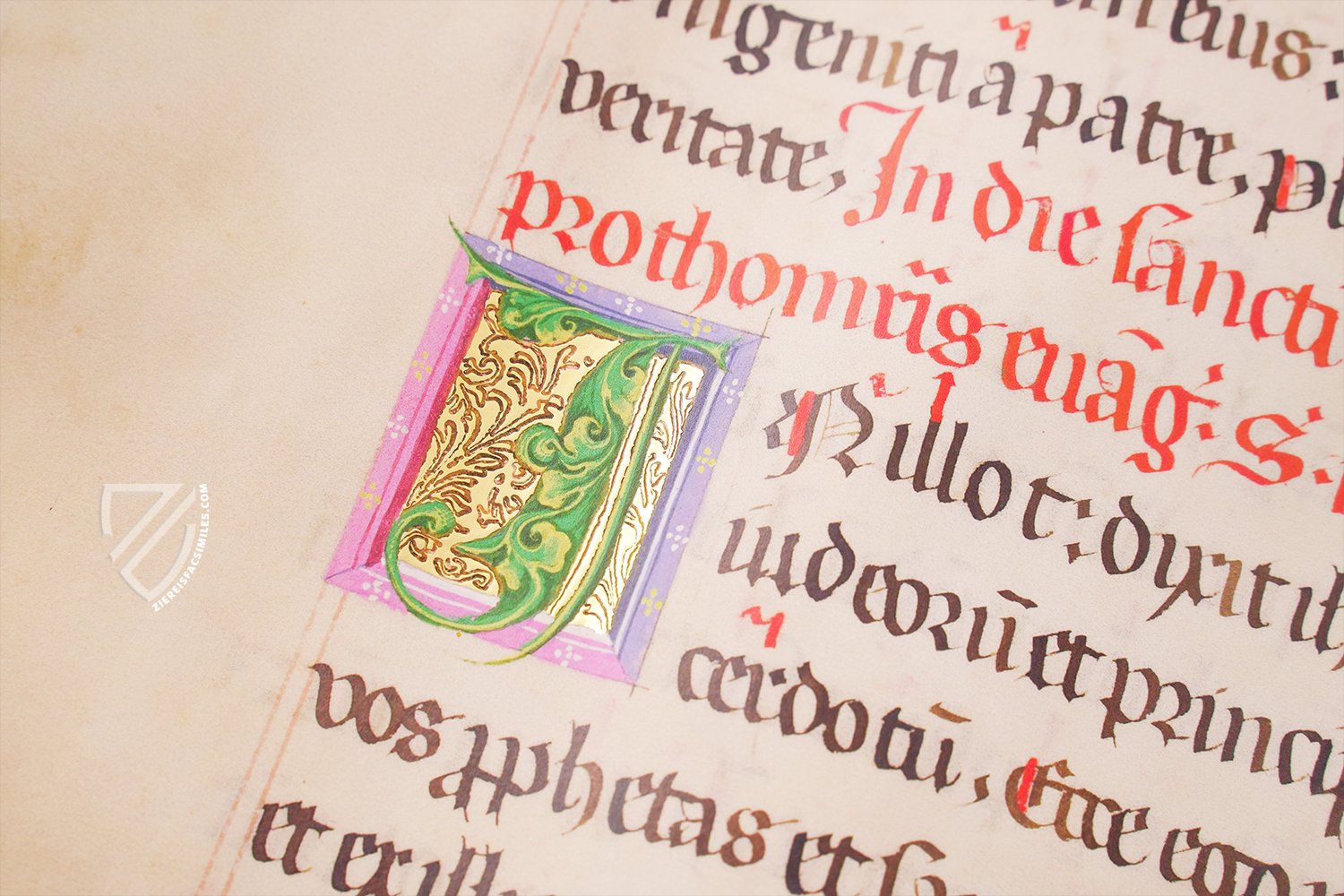
Intensely bright colors and shimmering gold were used for the depictions resembling panel paintings
Gospel Lectionary of Würzburg



(3,000€ - 7,000€)
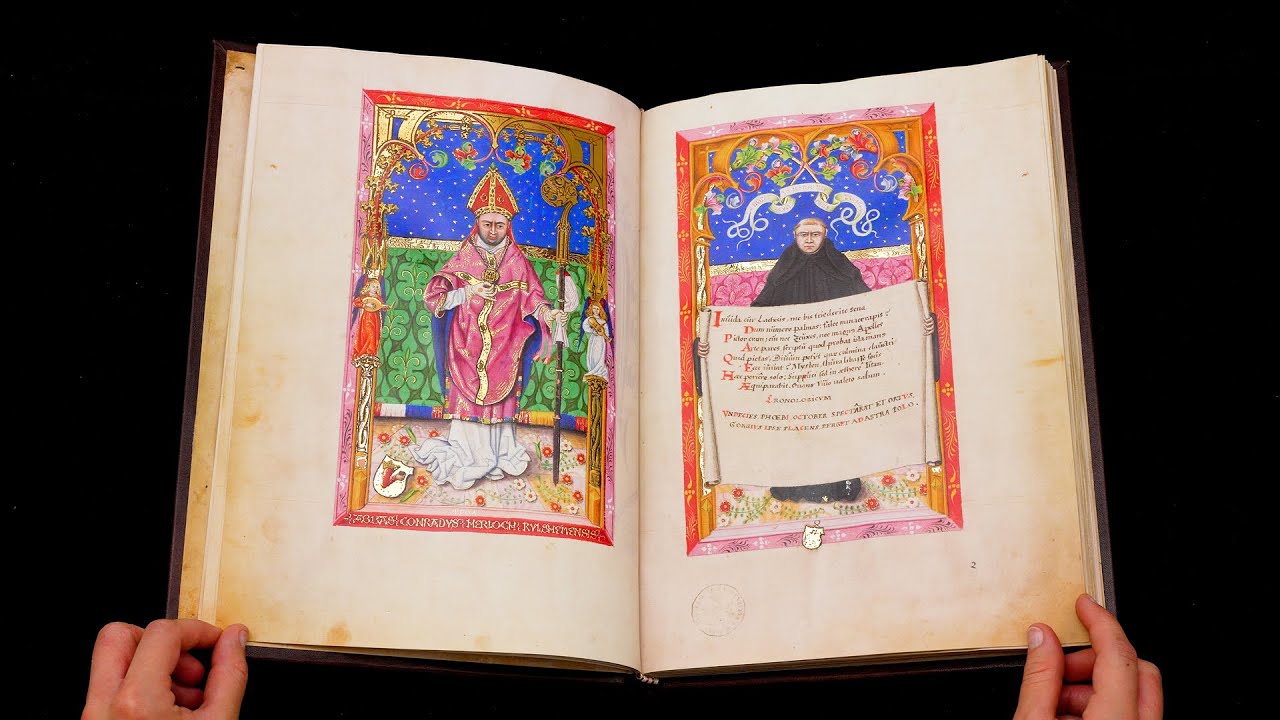
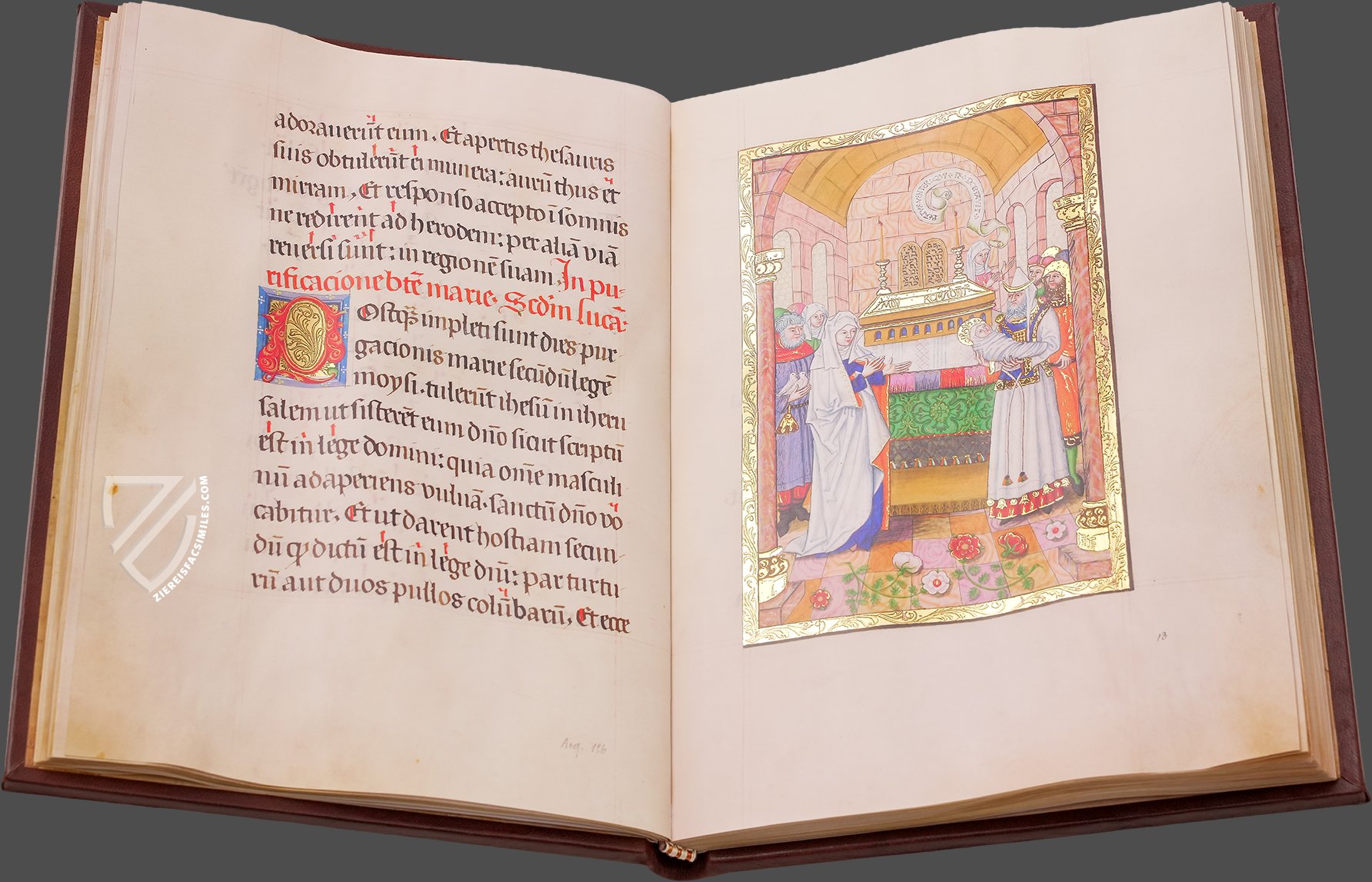
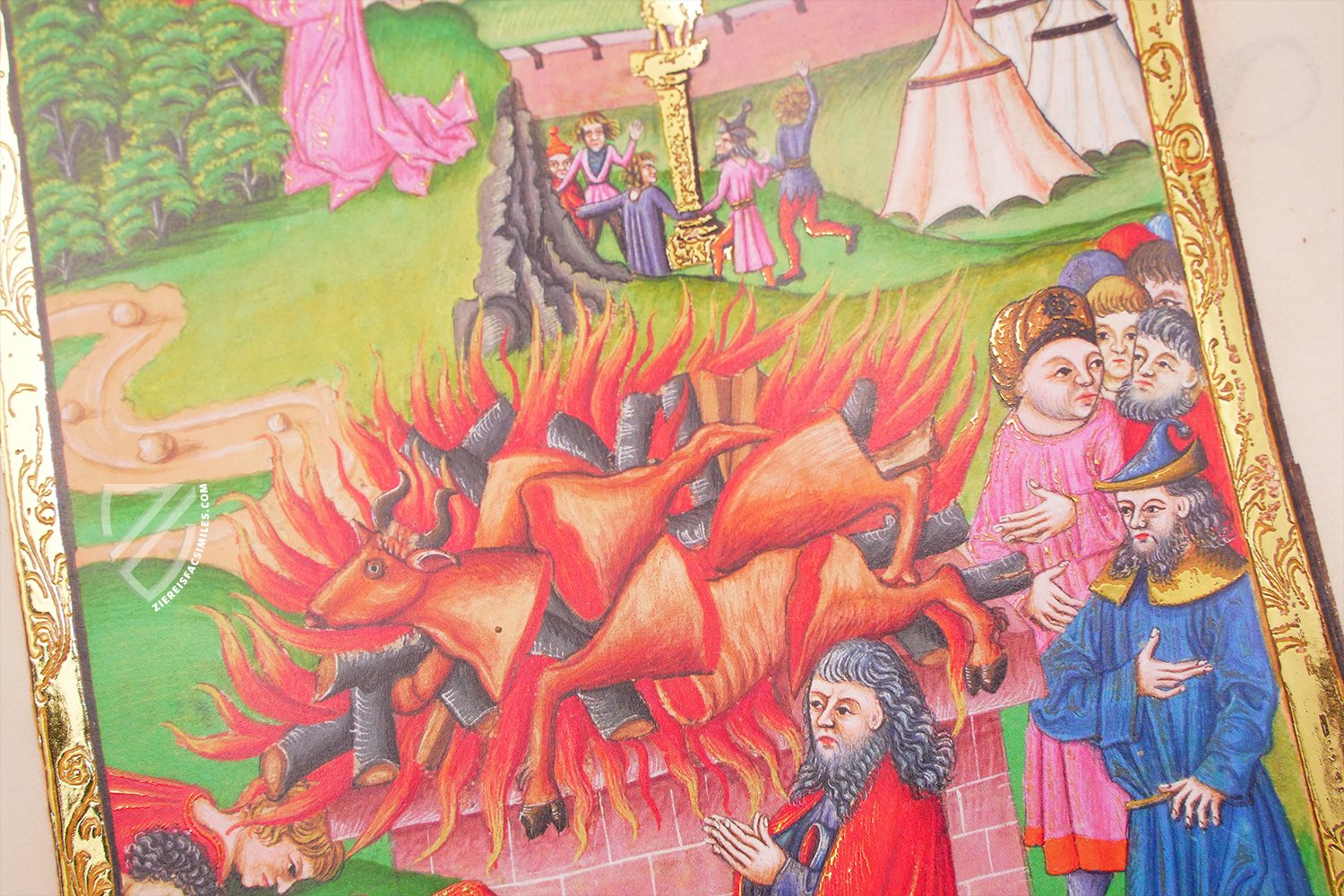
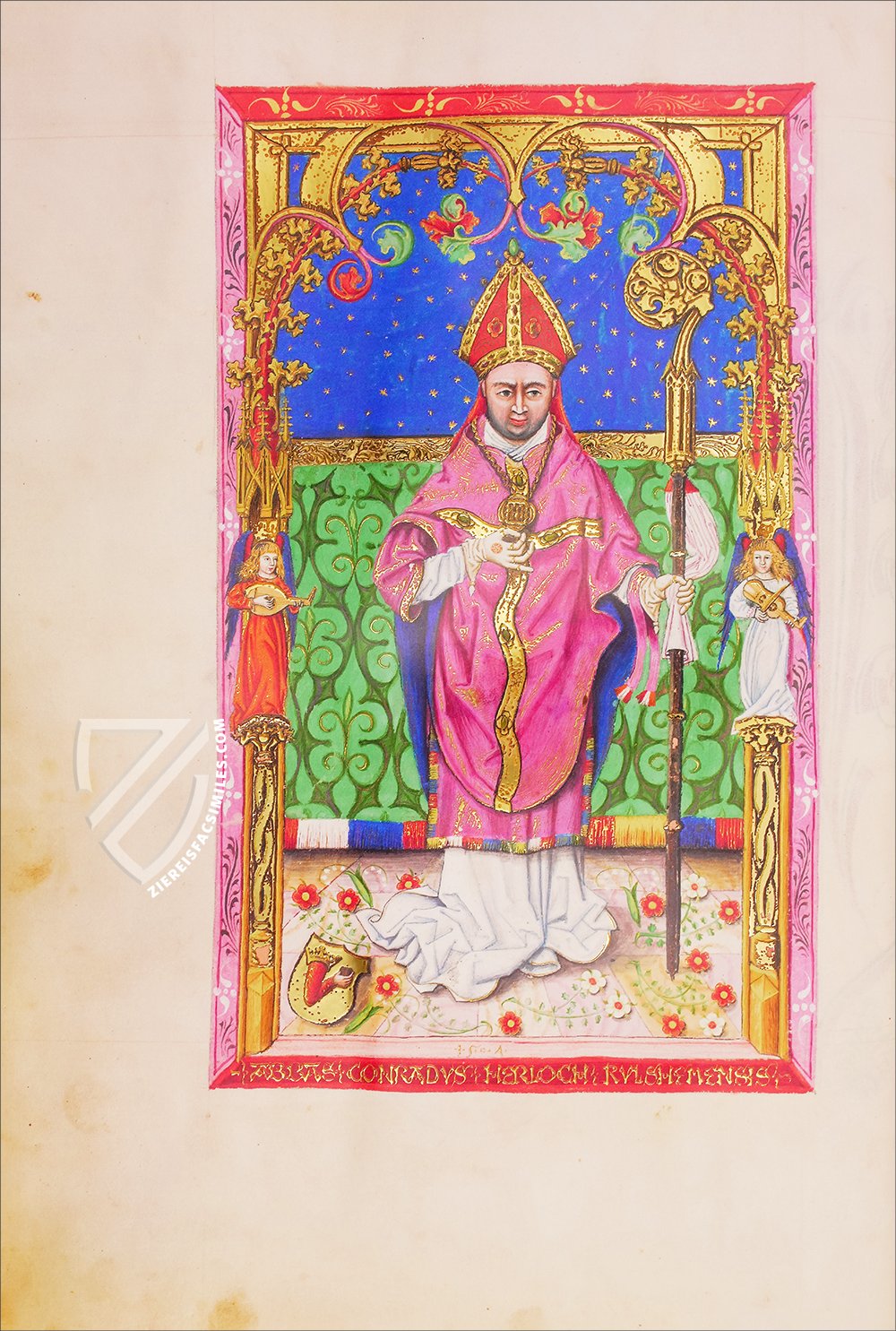
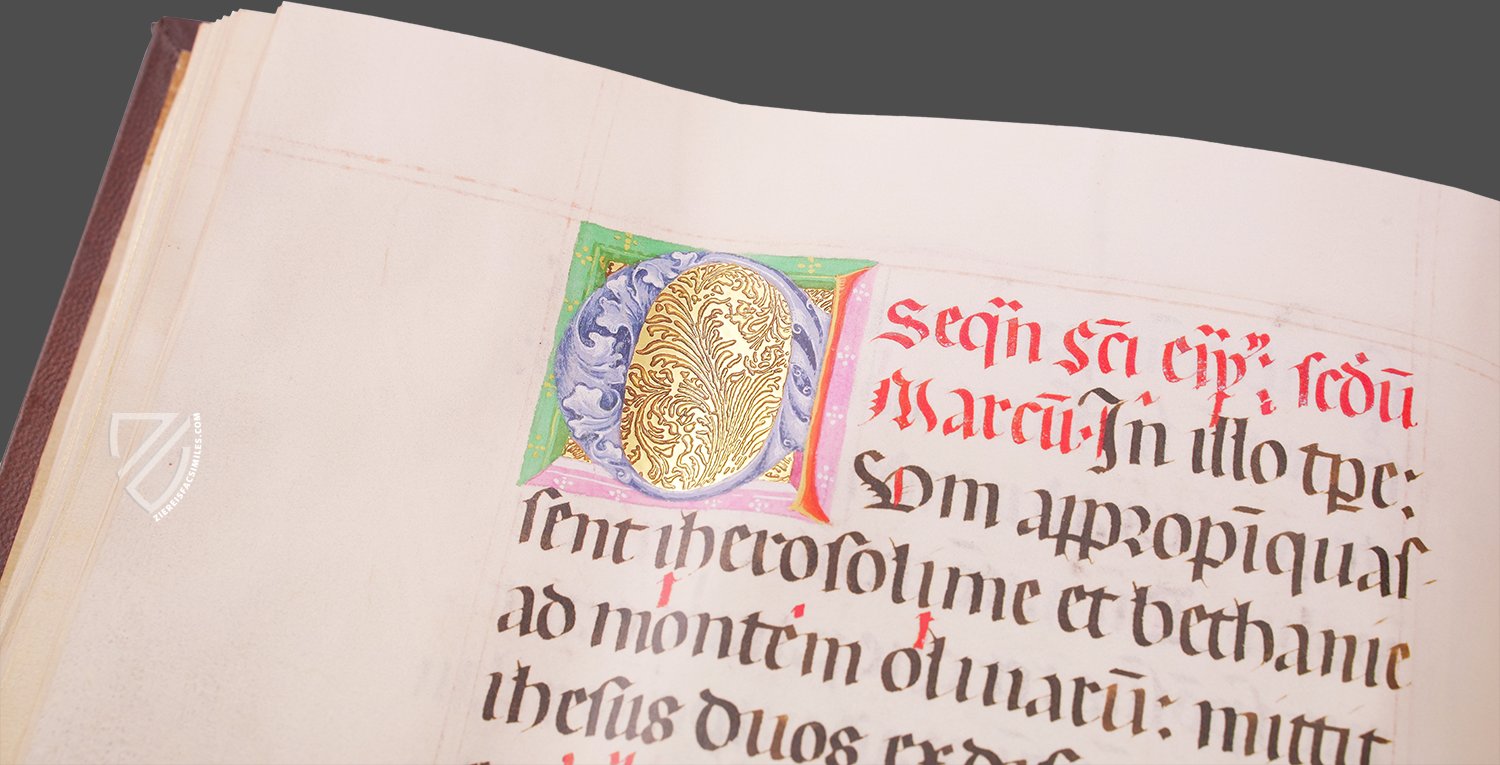
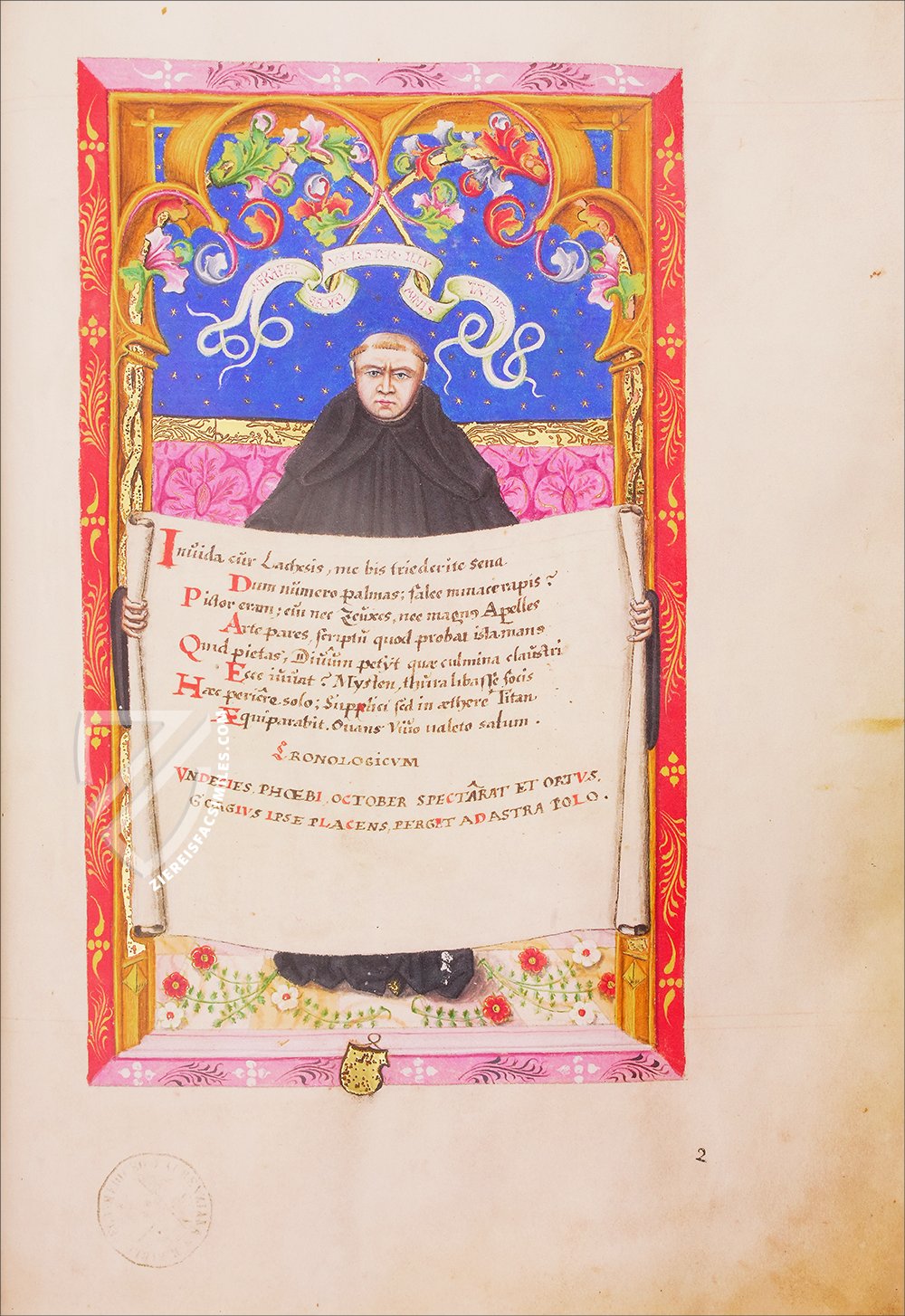
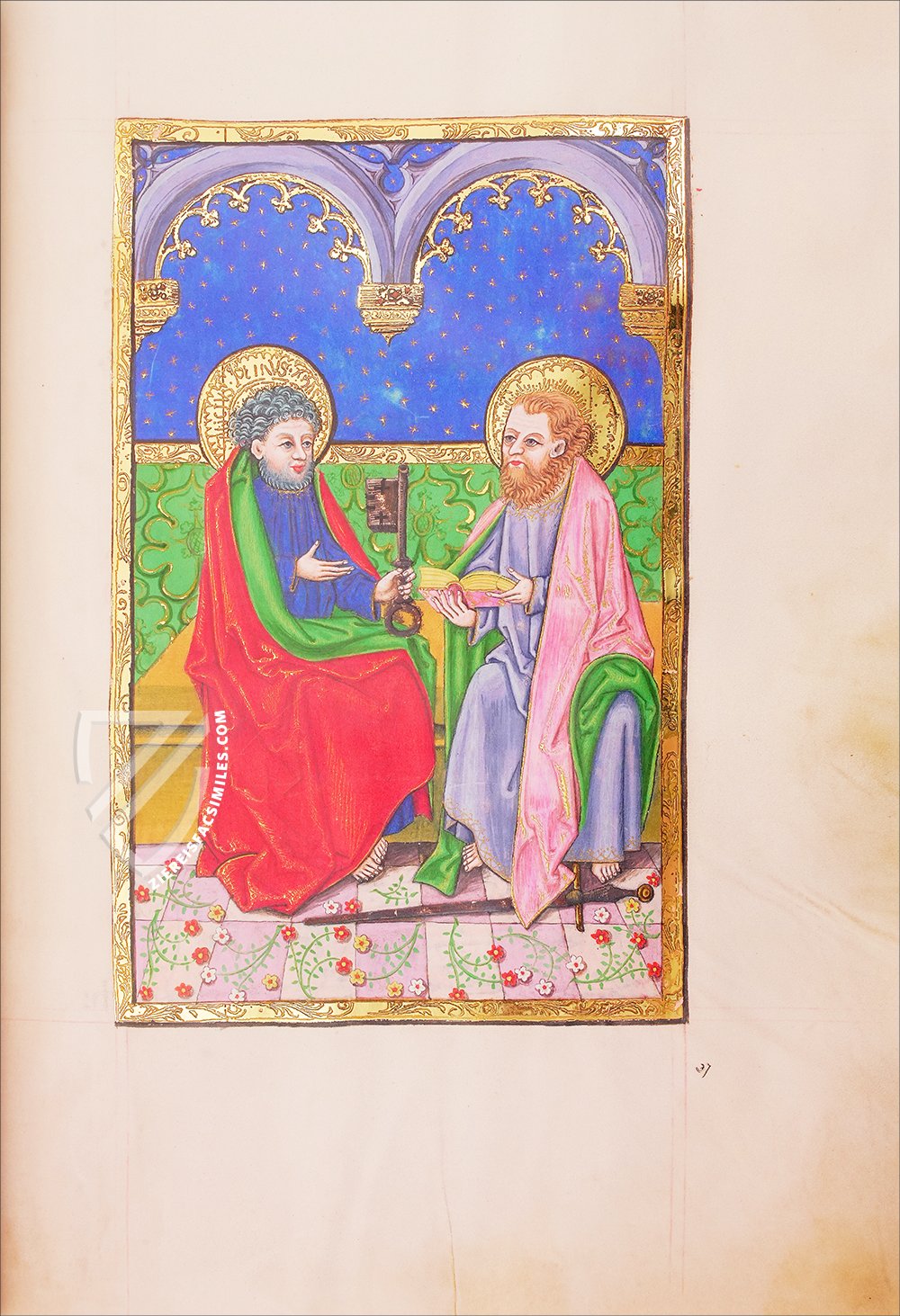
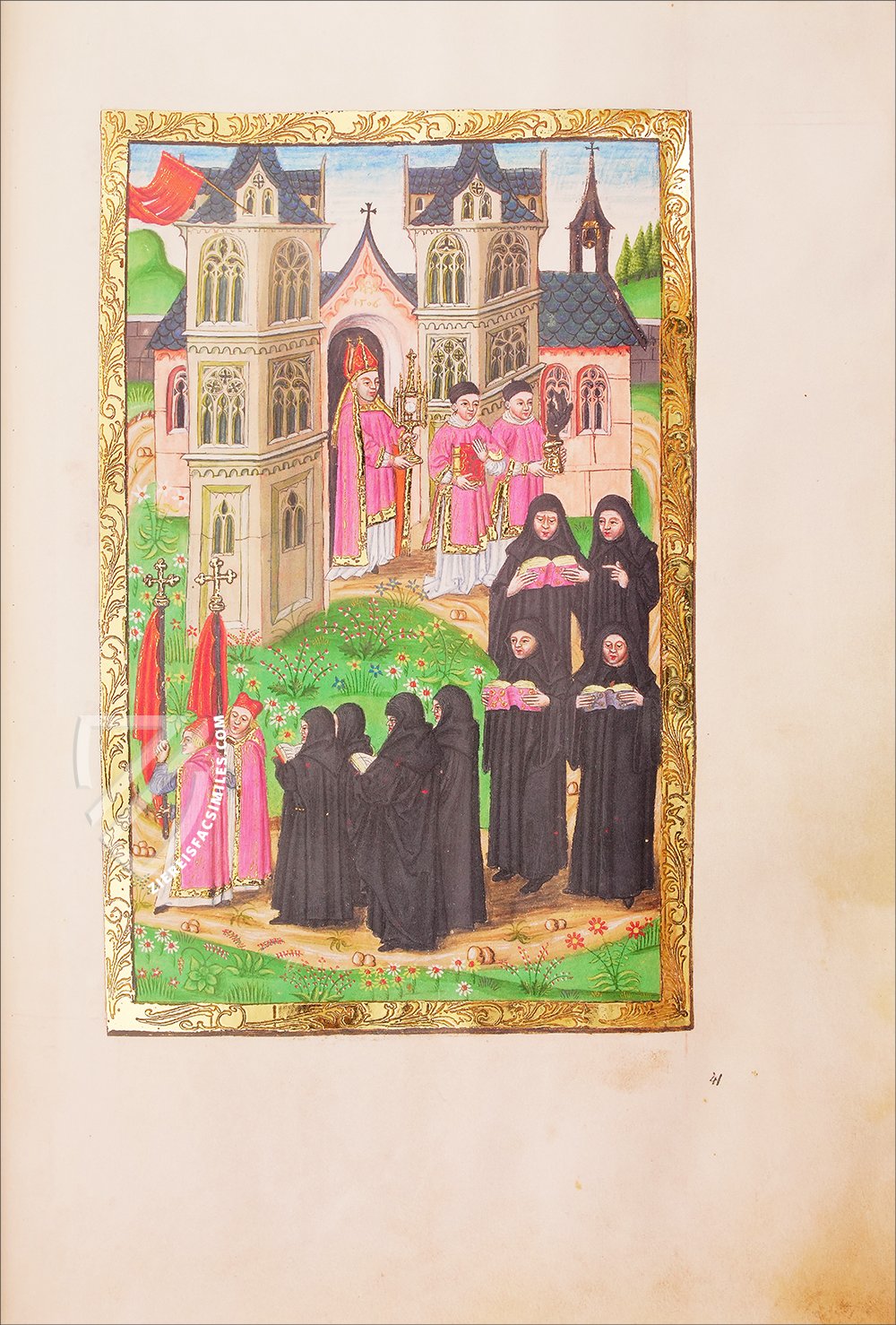
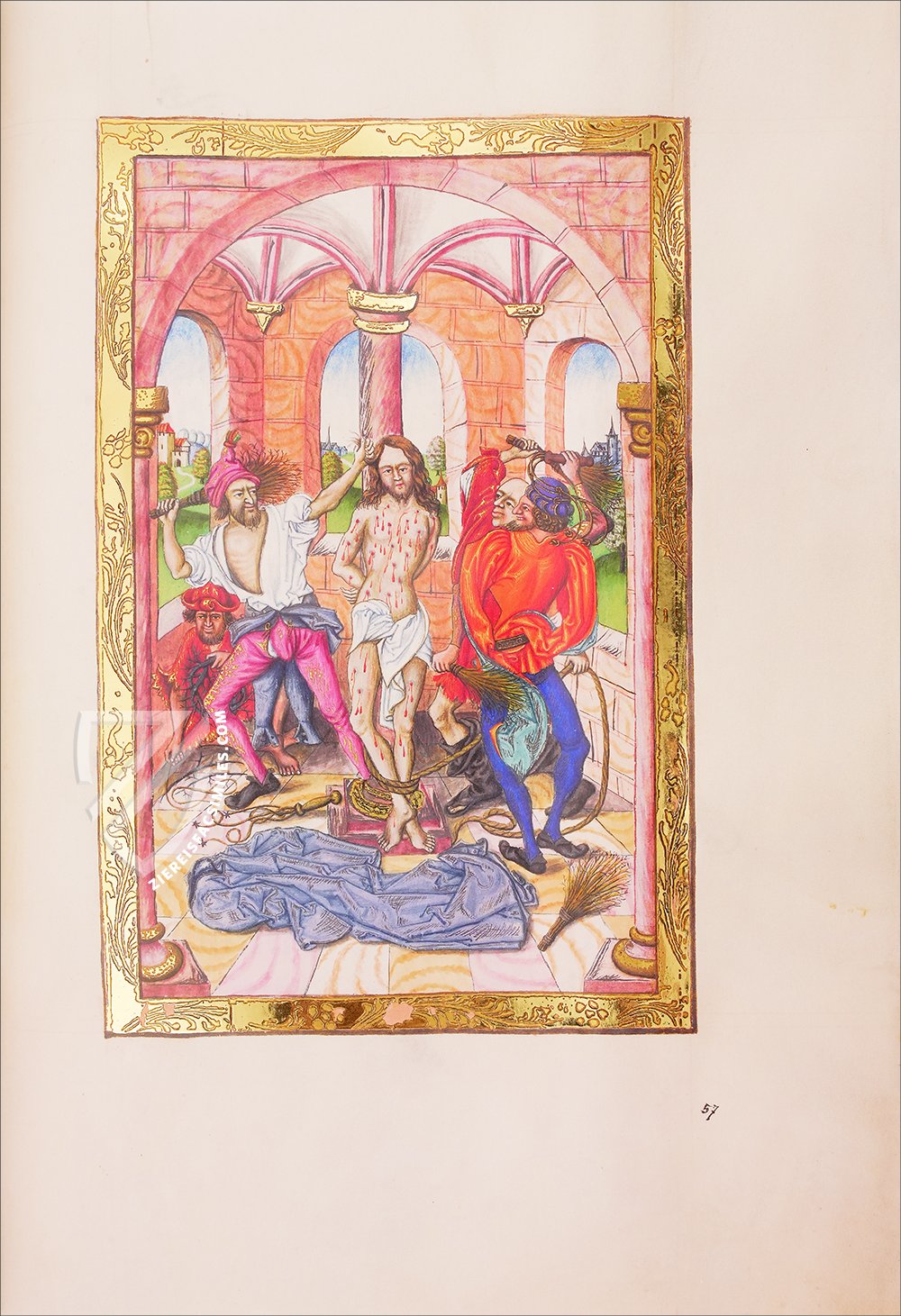
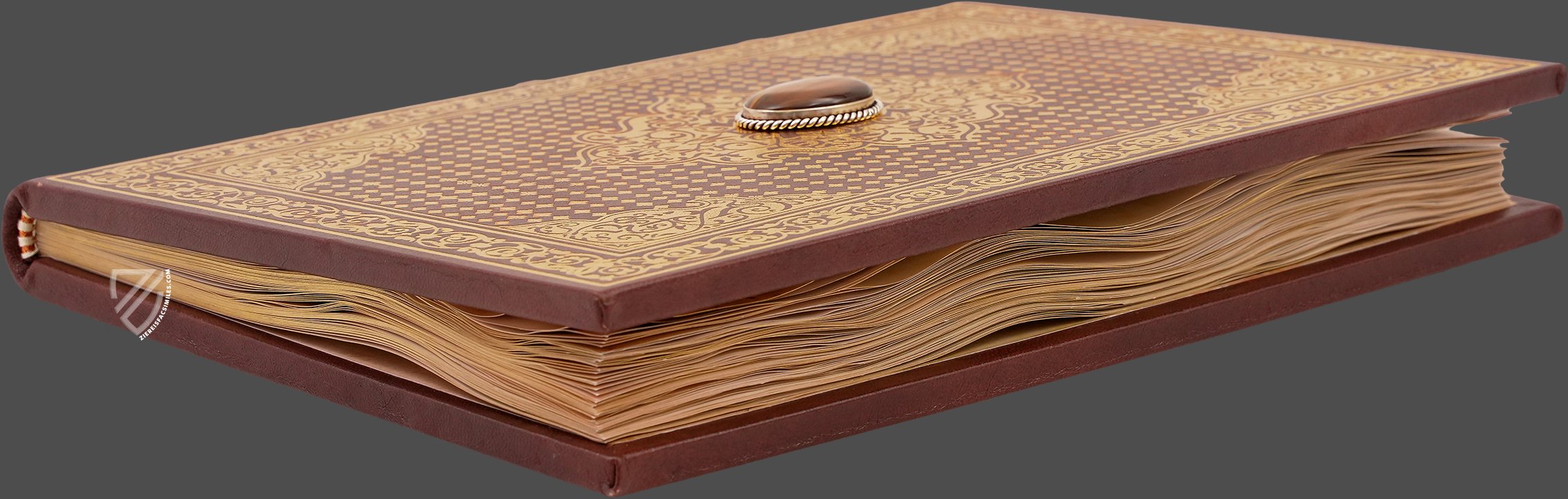
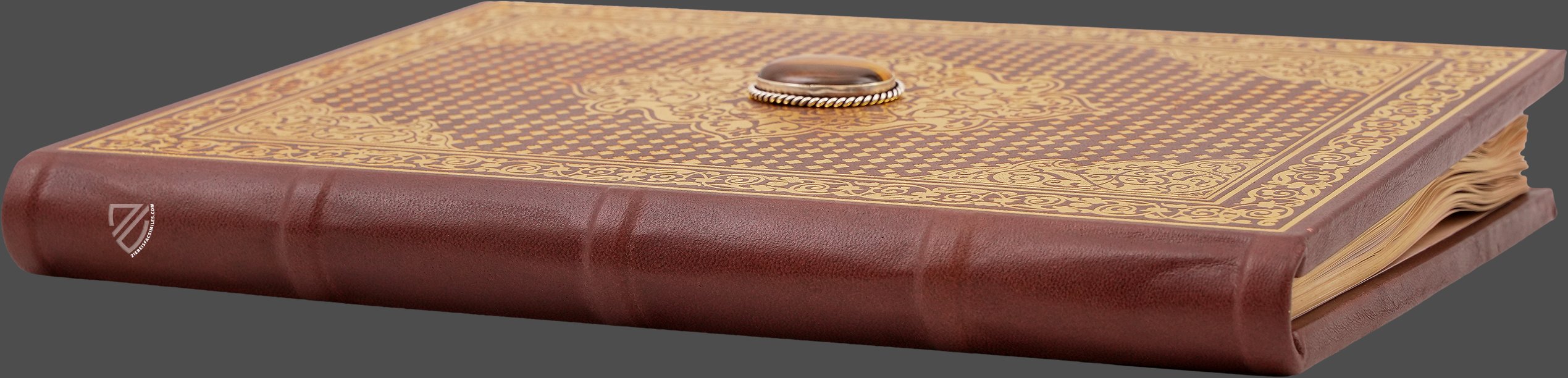
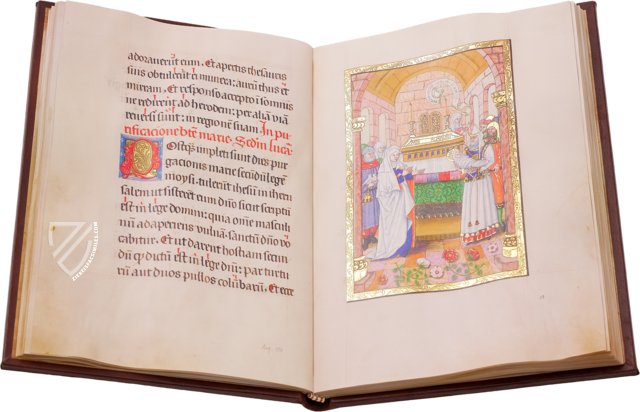
In 1507, Lorenz von Bibra, Prince-Bishop of Würzburg, commissioned an exceptionally ornate Gospel Book containing the readings for services throughout the liturgical year. With its 30 full-page miniatures vividly depicting the life of Christ, the Prince-Bishop’s Evangeliary occupies a special place among the illuminated manuscripts of the German Renaissance. Intense colors and finely shimmering gold combine with a pronounced attention to individual facial features and the meticulous painterly rendering of a wide variety of materials, creating an outstanding gallery of paintings in book form that brings the stories of the Gospels vividly to life. The monk Georg Lester, responsible for this masterpiece, drew inspiration from none other than the renowned graphic artist Martin Schongauer, whose precise drawing style is evident throughout the work. This artistic influence lends the miniatures a remarkable clarity and expressiveness. At the same time, the manuscript reflects the cultural and spiritual ambitions of its distinguished patron, making it both a devotional book and a representative work of high artistic prestige.
The Prince-Bishop Evangeliary
This incredible evangeliary commissioned by Lorenz von Bibra (1459–1519), Duke in Franconia and Prince-Bishop of Würzburg, is an outstanding testimony to the German Renaissance when it was still in its infancy. Although still strongly influenced by forms and conventions from the Gothic style, the masterfully executed miniatures possess the realism of the Italian Renaissance and the individualistic depictions of the figures is indicative of the humanist influence.
Made with only the finest pigments and illuminated with gleaming gold, this work, one would assume that, like most illuminated manuscripts of the period, it was most likely the product of a lay workshop of professional artists and scribes who specialized in the production of sumptuously furnished codices. However, this work appears to have been made by a monk named Georg Lester in the Benedictine Abbey of Würzburg ca. 1507, which makes the quality of its materials and the excellence of its execution all the more remarkable.
Lorenz von Bibra
Descended from the aristocratic Franconian von Bibra family, which had served the Bishopric of Würzburg for generations, the life of Lorenz von Bibra mirrored that of Emperor Maximilian I, whom he served as an advisor: both were born in 1459 and died in 1519. Lorenz was a dedicated humanist who attended university in Heidelberg, Erfurt, Bologna, and Paris and had the reputation for being a just, respected, and popular ruler who regularly arbitrated disputes. Würzburg enjoyed an extended period of prosperity under his rule, which began in 1495, He also had a relationship with Martin Luther (1483–1546), had Protestant sympathies, and it is speculated by many that had he lived longer that he would have embraced the Reformation in Würzburg.
Aside from his liberality, Lorenz was known as a patron of the arts and, aside from commissions elaborately illuminated manuscripts like the evangeliary at hand, had a personal relationship with the famous sculptor Tilman Riemenschneider (ca. 1460–1531). Riemenschneider completed several commissions for the Prince-Bishop, including his elaborate tomb in Würzburg Cathedral, which was only completed in 1522, three years after his death. In comparison with the neighboring Gothic tomb of his predecessor Rudolf II von Scherenberg, Lorenz’s tomb was executed in the new Renaissance style.
History of the Manuscript
The history of the manuscript stored today in the Laurentian Library is intertwined with the events of the tumultuous years at the turn of 19th century, in which Napoleon Bonaparte (1769–1821) was either the protagonist or antagonist depending upon one’s perspective. It is believed to have remained in the abbey’s library in Würzburg until it was suppressed during Secularization in 1802. The fate of the manuscript for the next few years remains unknown, but the precious codex was eventually acquired by Grand Duke Ferdinand III of Tuscany (1769–1824). This probably occurred sometime after 1805, when he was made the Prince Elector of Würzburg and then the first Grand Duke of Würzburg over the territories of the now-defunct bishopric. What is certain is that Ferdinand III donated the precious work of German Renaissance book art to the Laurentian Library in Florence on the 11th of May 1823 with an accompanying letter indicating it had been purchased with the intention of donating it to the library.
Codicology
- Alternative Titles
- Das Fürst-Bischöfliche Evangelistar
- Size / Format
- 124 pages / 33.3 × 23.5 cm
- Origin
- Germany
- Date
- 1507
- Epochs
- Style
- Genre
- Language
- Illustrations
- 30 full-page miniatures
- Content
- Gospel readings in the order of the church year
- Patron
- Lorenz von Bibra, Prince-Bishop of Würzburg (1459–1519)
- Artist / School
- Benedictine monk Georg Lester
The Prince-Bishop Evangeliary
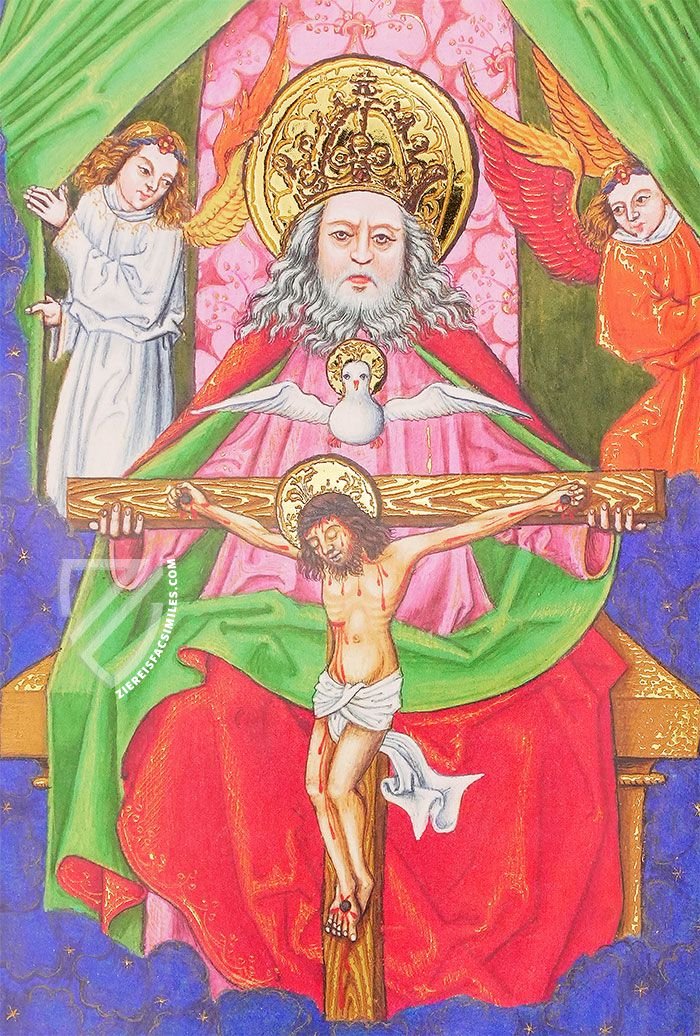
Throne of Mercy
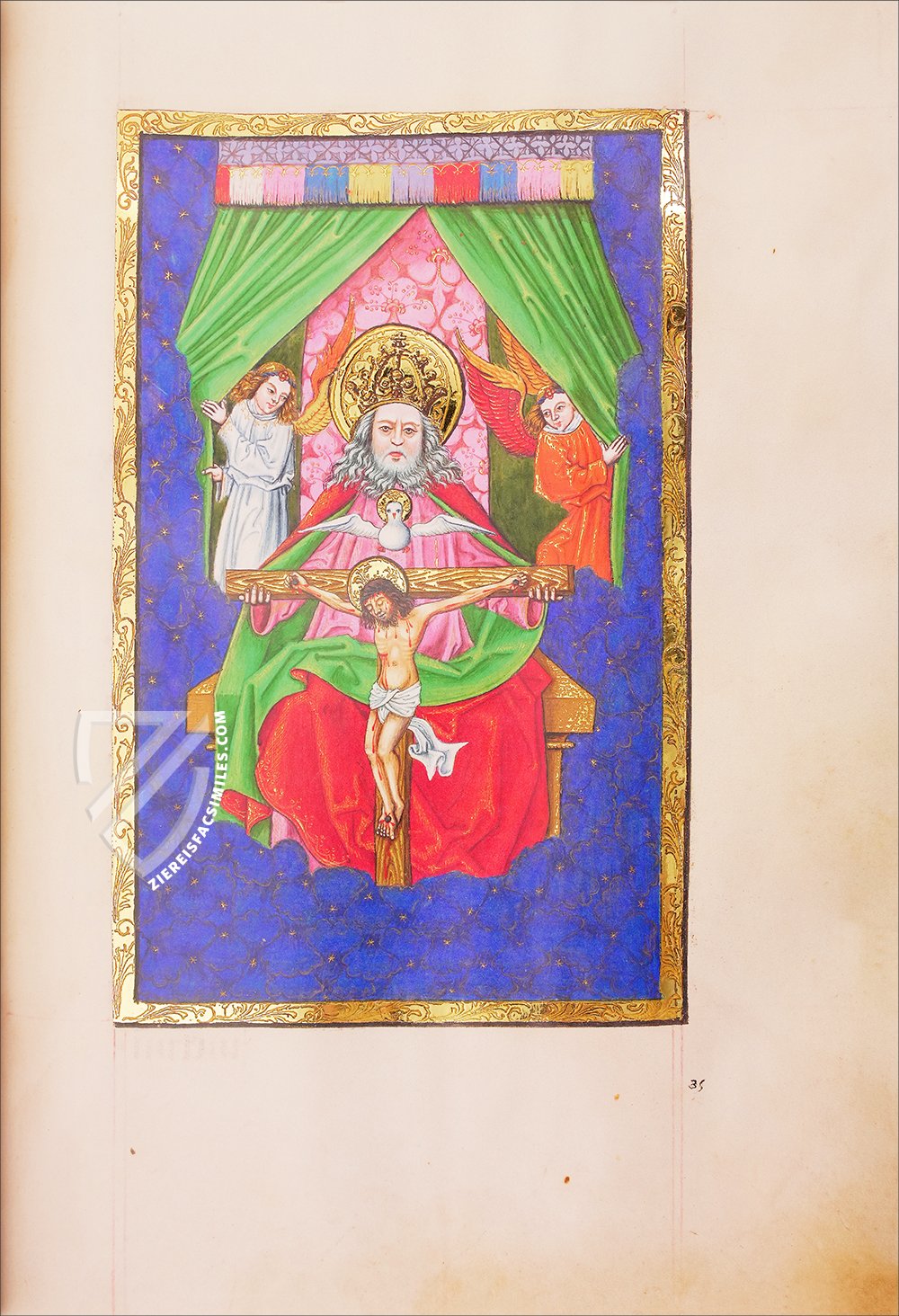
This richly colored miniature is an exemplary specimen of the sedes gratiae or “Throne of Mercy”, an archetypal depiction in Christian art that first appeared in the late 10th century. An enthroned God the Father, who looks at the beholder with a solemn gaze, holds a crucified Christ in his hands as a dove symbolizing the Holy Spirit appears between them. Glimmering gold has not only been used for the halos and God’s crown, but also splendidly illuminates inter alia the woodgrain of the cross.
The Prince-Bishop Evangeliary
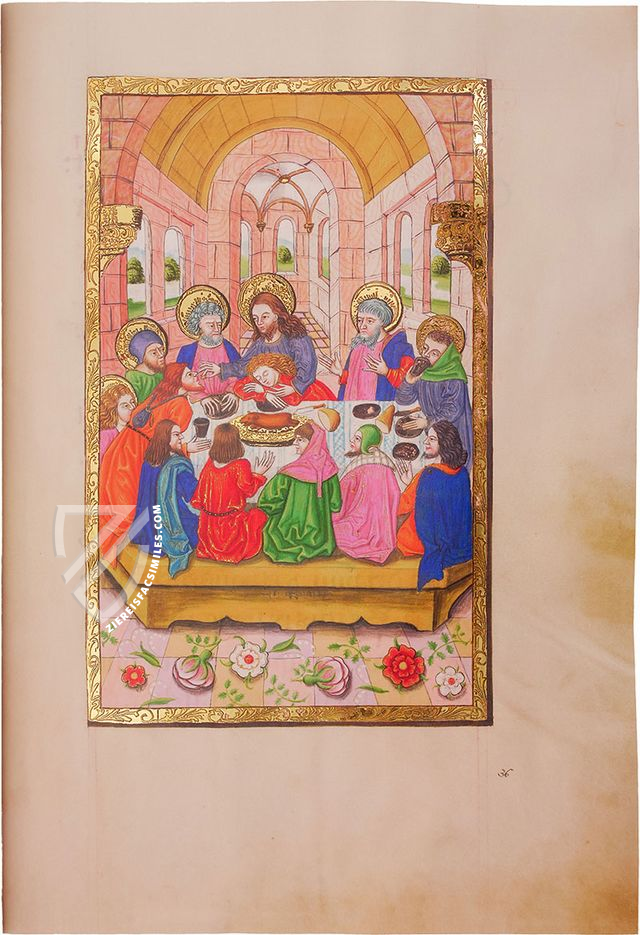
The Last Supper
A solid, bare, but also airy building resembling a monastery or a church provides the setting for the Last Supper of Jesus with the Twelve Apostles. The betrayer Judas stands out among the latter, depicted receiving a morsel offered by Jesus and identifying him just that: “It is he to whom I shall give a piece of bread when I have dipped it.” (Jn. 13:26)
Judas Iscariot is painted without a halo, but already has the bag with the thirty denarii around his neck behind his back to hide his true intentions. The disciple whom Jesus loved is also conspicuous because he sleeps in Jesus' lap: John the Evangelist according to tradition. A lamb lies on the golden platter in the middle of the table foretelling Christ’s sacrifice.

- Block Books / Incunables / Post-incunables
- Alchemy
- Apocalypses / Beatus Manuscripts
- Astronomy / Astrology
- Bibles / Gospels
- Picture Bibles / Bibles Moralisées / Mirror of Human Salvation
- Botany
- Chronicles / History / Letters
- Cookbook / Recipes
- Diaries / Biographies / Autograph Books
- Encyclopedias
- Fashion / Costume Books
- Games / Game Theory
- Geography / Cartography / Navigation
- Graduals / Antiphonaries / Exultet Roll
- Haggadot
- Hunting Books
- Law / Deeds / Rules
- Leonardo da Vinci
- Literature / Poetry
- Medicine
- Missals / Lectionaries / Sacramentaries
- Model Books / Sketchbooks / Notebooks
- Music
- Mythology
- Natural History / Bestiaries
- Other Liturgical Manuscripts
- Other Religious Works
- Other Secular Works
- Paintings / Graphics
- Primers / Textbooks
- Private Devotion Books
- Prophecies / Divination
- Psalters
- Quran
- Saints' Lives
- Sermons / Homilies
- Single Leaf Collections
- Song Books
- Tanakh
- Tournament Books / Armorials / Genealogy
- Travelogues / Travel Guides
- Treatises
- Afghanistan
- Algeria
- Armenia
- Austria
- Azerbaijan
- Belarus
- Belgium
- Belize
- Bosnia and Herzegovina
- China
- Colombia
- Costa Rica
- Croatia
- Cyprus
- Czech Republic
- Denmark
- Egypt
- El Salvador
- Ethiopia
- France
- Germany
- Greece
- Guatemala
- Honduras
- Hungary
- India
- Iran
- Iraq
- Israel
- Italy
- Japan
- Jordan
- Kazakhstan
- Kyrgyzstan
- Lebanon
- Libya
- Liechtenstein
- Luxembourg
- Mexico
- Morocco
- Netherlands
- Palestine
- Panama
- Peru
- Poland
- Portugal
- Romania
- Russia
- Serbia
- Slovakia
- Spain
- Sri Lanka
- Sweden
- Switzerland
- Syria
- Tajikistan
- Tunisia
- Turkey
- Turkmenistan
- Ukraine
- United Kingdom
- United States
- Uzbekistan
- Vatican City
- A. Oosthoek, van Holkema & Warendorf
- Aboca Museum
- Ajuntament de Valencia
- Akademie Verlag
- Akademische Druck- u. Verlagsanstalt (ADEVA)
- Aldo Ausilio Editore - Bottega d’Erasmo
- Alecto Historical Editions
- Alkuin Verlag
- Almqvist & Wiksell
- Amilcare Pizzi
- Andreas & Andreas Verlagsbuchhandlung
- Archa 90
- Archiv Verlag
- Archivi Edizioni
- Arnold Verlag
- ARS
- Ars Magna
- Ars Millenii
- Art Market
- ArtCodex
- AyN Ediciones
- Azimuth Editions
- Badenia Verlag
- Bärenreiter-Verlag
- Belser Verlag
- Belser Verlag / WK Wertkontor
- Benziger Verlag
- Bernardinum Wydawnictwo
- BiblioGemma
- Biblioteca Apostolica Vaticana (Vaticanstadt, Vaticanstadt)
- Bibliotheca Palatina Faksimile Verlag
- Bibliotheca Rara
- Boydell & Brewer
- Bramante Edizioni
- Bredius Genootschap
- Brepols Publishers
- British Library
- Brokarte
- C. Weckesser
- Caixa Catalunya
- Canesi
- CAPSA, Ars Scriptoria
- Caratzas Brothers, Publishers
- Carus Verlag
- Casamassima Libri
- Centrum Cartographie Verlag GmbH
- Chavane Verlag
- Christian Brandstätter Verlag
- Circulo Cientifico
- Club Bibliófilo Versol
- Club du Livre
- Club Internacional del Libro
- CM Editores
- Collegium Graphicum
- Collezione Apocrifa Da Vinci
- Comissão Nacional para as Comemorações dos Descobrimentos Portugueses
- Coron Verlag
- Corvina
- CTHS
- D. S. Brewer
- Damon
- De Agostini/UTET
- De Nederlandsche Boekhandel
- De Schutter
- Deuschle & Stemmle
- Deutscher Verlag für Kunstwissenschaft
- DIAMM
- Dropmore Press
- Droz
- E. Schreiber Graphische Kunstanstalten
- Ediciones Boreal
- Ediciones Grial
- Ediclube
- Edições Inapa
- Edilan
- Editalia
- Edition Deuschle
- Edition Georg Popp
- Edition Leipzig
- Edition Libri Illustri
- Editiones Reales Sitios S. L.
- Éditions de l'Oiseau Lyre
- Editions Medicina Rara
- Editorial Base
- Editorial Casariego
- Editorial Mintzoa
- Editrice Antenore
- Editrice Velar
- Edizioni Edison
- Egeria, S.L.
- Eikon Editores
- Electa
- Emery Walker Limited
- Enciclopèdia Catalana
- Eos-Verlag
- Ephesus Publishing
- Ernst Battenberg
- Eugrammia Press
- Extraordinary Editions
- Fackelverlag
- Facsimila Art & Edition
- Facsimile Editions Ltd.
- Facsimilia Art & Edition Ebert KG
- Faksimile Verlag
- Feuermann Verlag
- Folger Shakespeare Library
- Franco Cosimo Panini Editore
- Friedrich Wittig Verlag
- Fundación Hullera Vasco-Leonesa
- G. Braziller
- Gabriele Mazzotta Editore
- Gebr. Mann Verlag
- Gesellschaft für graphische Industrie
- Getty Research Institute
- Giovanni Domenico de Rossi
- Giunti Editore
- Goldenmark Librarium
- Graffiti
- Grafica European Center of Fine Arts
- Guido Pressler
- Guillermo Blazquez
- Gustav Kiepenheuer
- H. N. Abrams
- Harrassowitz
- Harvard University Press
- Helikon
- Hendrickson Publishers
- Henning Oppermann
- Herder Verlag
- Hes & De Graaf Publishers
- Hoepli
- Holbein-Verlag
- Houghton Library
- Hugo Schmidt Verlag
- Hungarian Academy of Sciences
- Idion Verlag
- Il Bulino, edizioni d'arte
- ILte
- Imago
- In Officina Danesi
- Insel Verlag
- Instituto de Estudios Altoaragoneses
- Instituto Nacional de Antropología e Historia
- Introligatornia Budnik Jerzy
- Istituto dell'Enciclopedia Italiana - Treccani
- Istituto Ellenico di Studi Bizantini e Postbizantini
- Istituto Geografico De Agostini
- Istituto Poligrafico e Zecca dello Stato
- Italarte Art Establishments
- Jaca Book
- Jan Thorbecke Verlag
- Johnson Reprint Corporation
- Johnson Reprint Corporation
- Jos. Baer
- Josef Stocker
- Josef Stocker-Schmid
- Jugoslavija
- Karl W. Hiersemann
- Kasper Straube
- Kaydeda Ediciones
- Kindler Verlag / Coron Verlag
- Kodansha International Ltd.
- Konrad Kölbl Verlag
- Kurt Wolff Verlag
- La Linea Editrice
- La Meta Editore
- Lambert Schneider
- Landeskreditbank Baden-Württemberg
- Leo S. Olschki
- Les Incunables
- Liber Artis
- Library of Congress
- Libreria Musicale Italiana
- Lichtdruck
- Lito Immagine Editore
- Lumen Artis
- Lund Humphries
- M. Moleiro Editor
- Maison des Sciences de l'homme et de la société de Poitiers
- Manuscriptum
- Martinus Nijhoff
- Maruzen-Yushodo Co. Ltd.
- MASA
- Massada Publishers
- McGraw-Hill
- Metropolitan Museum of Art
- Militos
- Millennium Liber
- Müller & Schindler
- Nahar - Stavit
- Nahar and Steimatzky
- National Library of Wales
- Neri Pozza
- Nova Charta
- Oceanum Verlag
- Odeon
- Omnia Arte
- Orbis Mediaevalis
- Orbis Pictus
- Österreichische Staatsdruckerei
- Oxford University Press
- Pageant Books
- Parzellers Buchverlag
- Patrimonio Ediciones
- Pattloch Verlag
- PIAF
- Plon-Nourrit et cie
- Poligrafiche Bolis
- Presses Universitaires de Strasbourg
- Prestel Verlag
- Princeton University Press
- Prisma Verlag
- Priuli & Verlucca, editori
- Pro Sport Verlag
- Propyläen Verlag
- Pytheas Books
- Quaternio Verlag Luzern
- Reales Sitios
- Recht-Verlag
- Reichert Verlag
- Reichsdruckerei
- Reprint Verlag
- Riehn & Reusch
- Rizzoli
- Roberto Vattori Editore
- Rosenkilde and Bagger
- Roto-Sadag
- Roxburghe Club
- Salerno Editrice
- Saltellus Press
- Sandoz
- Sarajevo Svjetlost
- Schöck ArtPrint Kft.
- Schulsinger Brothers
- Scolar Press
- Scrinium
- Scripta Maneant
- Scriptorium
- Shazar
- Siloé, arte y bibliofilia
- SISMEL - Edizioni del Galluzzo
- Sociedad Mexicana de Antropología
- Société des Bibliophiles & Iconophiles de Belgique
- Soncin Publishing
- Sorli Ediciones
- Stainer and Bell
- Studer
- Styria Verlag
- Sumptibus Pragopress
- Szegedi Tudomànyegyetem
- Taberna Libraria
- Tarshish Books
- Taschen
- Tempus Libri
- Testimonio Compañía Editorial
- TGB Limited Editions
- Thames and Hudson
- The Clear Vue Publishing Partnership Limited
- The Facsimile Codex
- The Folio Society
- The Marquess of Normanby
- The Orphan Hospital Ward of Israel
- The Richard III and Yorkist History Trust
- The Warburg Institute
- Tip.Le.Co
- TouchArt
- TREC Publishing House
- TRI Publishing Co.
- Trident Editore
- Tuliba Collection
- Typis Regiae Officinae Polygraphicae
- Union Verlag Berlin
- Universidad de Granada
- Universitaire Bibliotheken Leiden
- University of California Press
- University of Chicago Press
- Urs Graf
- Vallecchi
- Van Wijnen
- VCH, Acta Humaniora
- VDI Verlag
- VEB Deutscher Verlag für Musik
- Verein Schweizerischer Lithographie-Besitzer
- Verlag Anton Pustet / Andreas Verlag
- Verlag Bibliophile Drucke Josef Stocker
- Verlag der Münchner Drucke
- Verlag für Regionalgeschichte
- Verlag Styria
- Vicent Garcia Editores
- W. Turnowsky
- Waanders Printers
- Wiener Mechitharisten-Congregation (Wien, Österreich)
- Wissenschaftliche Buchgesellschaft
- Wissenschaftliche Verlagsgesellschaft
- Wydawnictwo Dolnoslaskie
- Xuntanza Editorial
- Zakład Narodowy
- Zollikofer AG